Amsterdam: Bikes, Canals, Stroopwafels

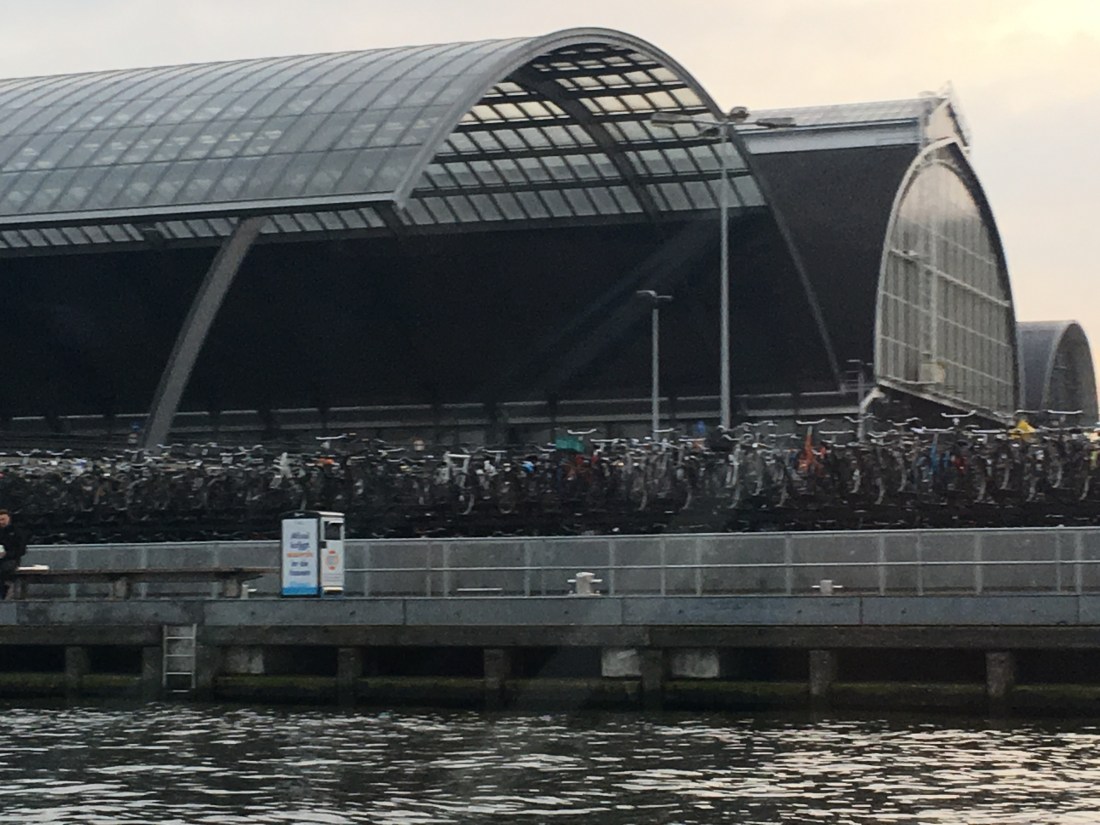
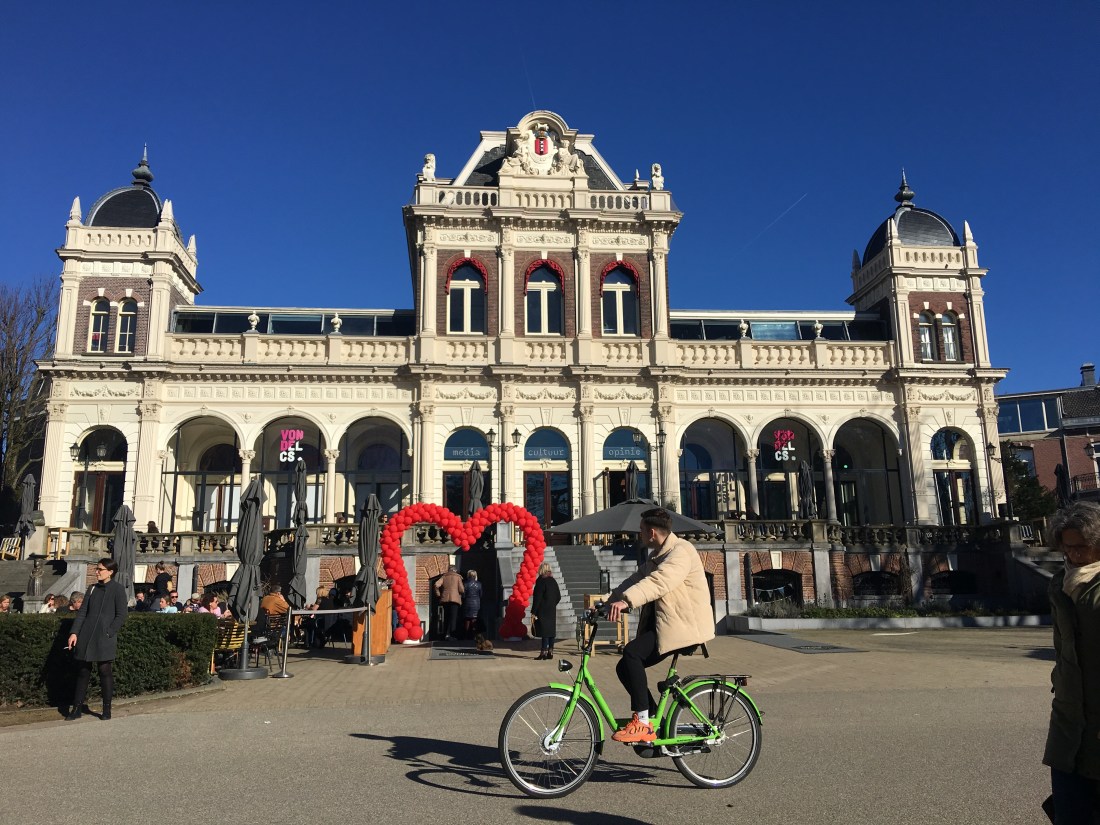
Upon arriving in Amsterdam, you can’t help noticing that the Dutch like bikes.  Just about everyone here rides a bike – young and old happily bike along.  Some people walk their dogs by bike. Others use it to bring home groceries, flowers, furniture, children or anything else one can think of.  68% of traffic to/from work or school is by bike, and bikes account for 36% of all traffic movements in Amsterdam.  In fact, it was long said that the 811,000 people who live in Amsterdam own an estimated 881,000 bicycles. In other words, there are more bikes than residents. And four times more bikes than cars.
IMG_6927

Over 50% of Amsterdammers use their bicycle on a daily basis. Yes, even when it snows!  You need to be on the lookout constantly for other cyclists, pedestrians, scooters, trolleys and cars.  Accidents happen!  But still – hardly anyone wears a helmet.

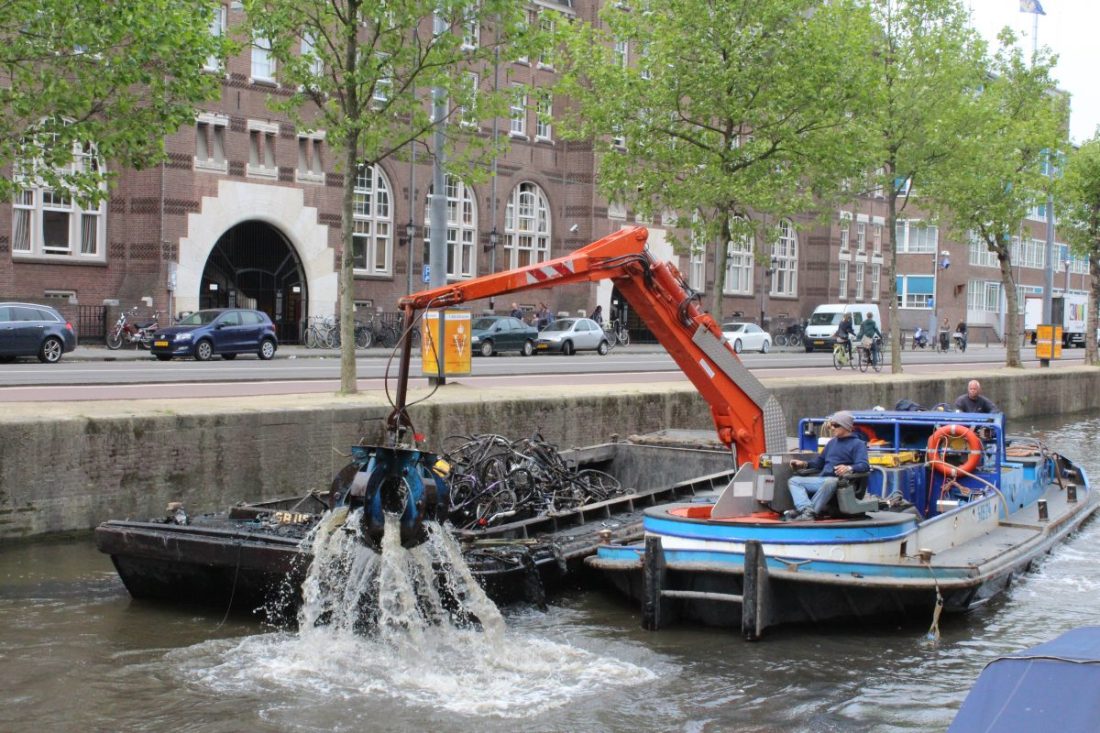
Between 12,000 and 15,000 bicycles are pulled out of Amsterdam’s canals each year.
canal-cleaning-boat-bikes-e1508935452260

IMG_6924IMG_6952IMG_6949

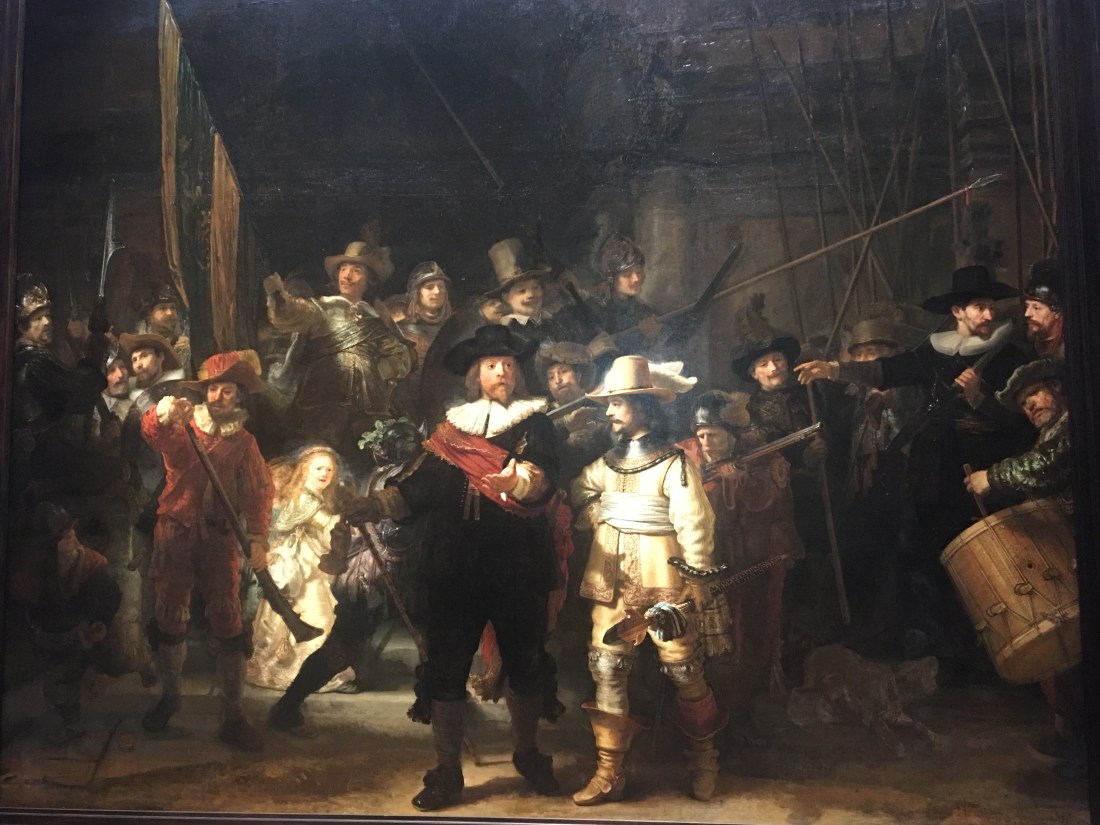
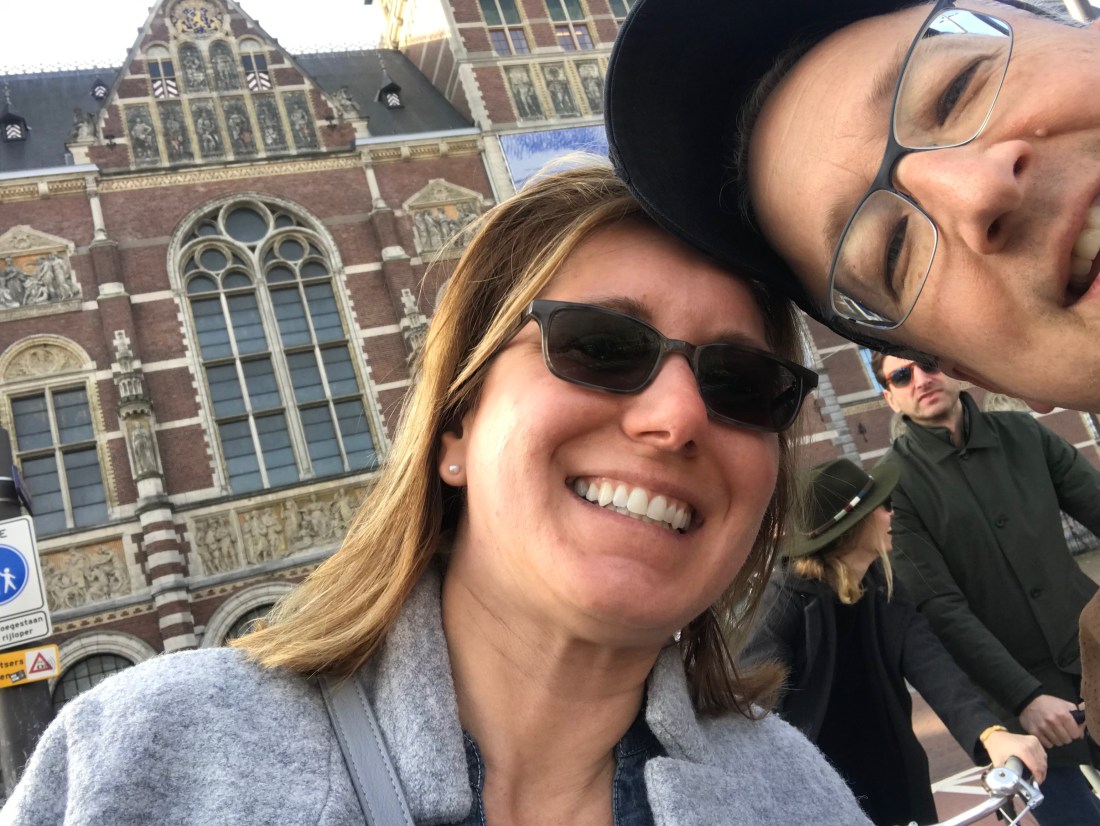
Off to museum row.  Amsterdam has the only museum in the world you can cycle through – Rijksmuseum.  Lots of Rembrandts here including his famous Night Watch.  It was so much larger than we expected.  Next door the Van Gogh Museum was also impressive.

Happy to have biked there safely.
file4IMG_6956

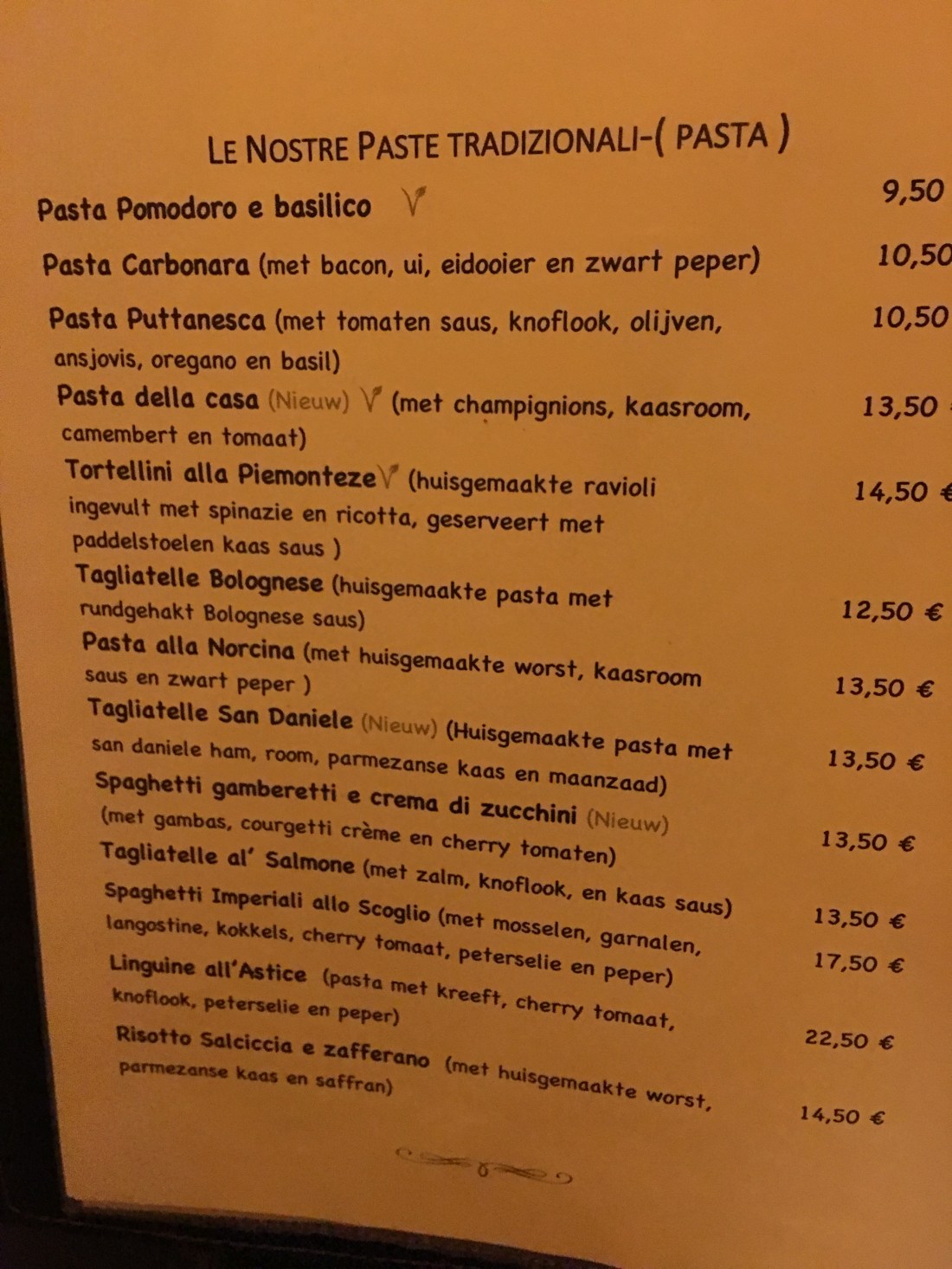
One thing we noticed was lots of “New York” style pizza spots.  We decided to share pizza and pasta at an Italian restaurant hoping it would be better than pizza in Ireland.  Nope!
IMG_6940

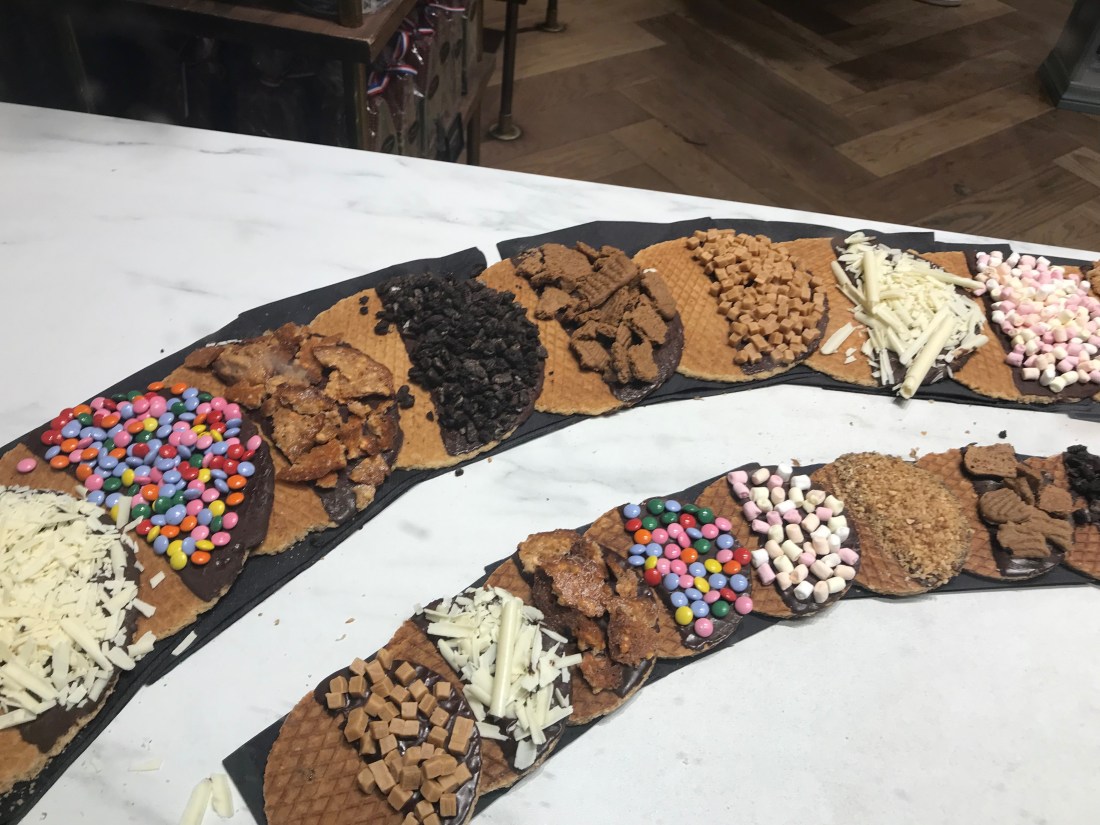
If you try one Dutch sweet treat, make it a stroopwafel. Two thin waffles stuck together with a layer of sweet syrup; these delectable delicacies are best enjoyed hot and gooey from a street market or bakery.
file6

Head into any FEBO and you’ll see an array of hot snacks including hamburgers, kroketten and frinkandellen displayed behind glass doors. Put some coins into the slot and voila; dinner is served.  Definitely not Michelin standard cuisine.
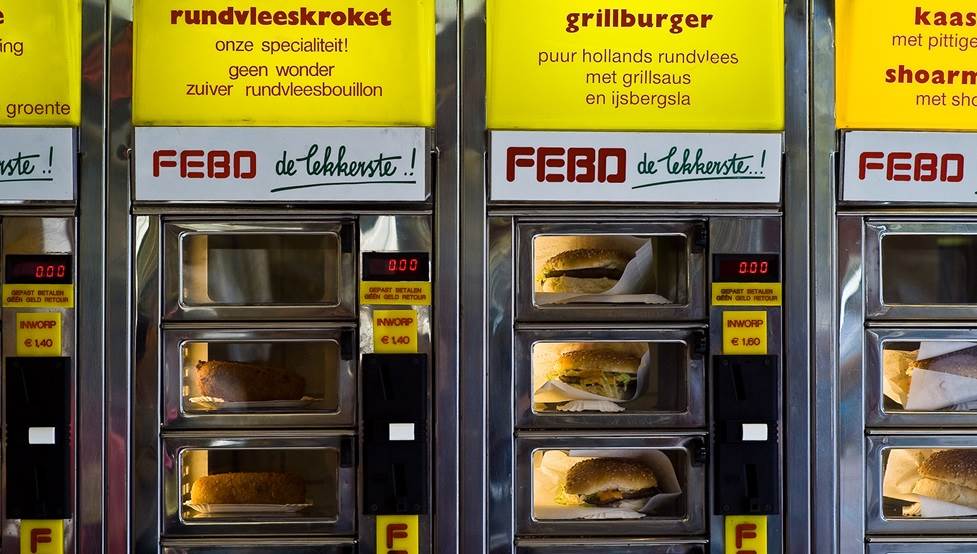
FEBO CC BY 20 Lars Plougmann via Flickr

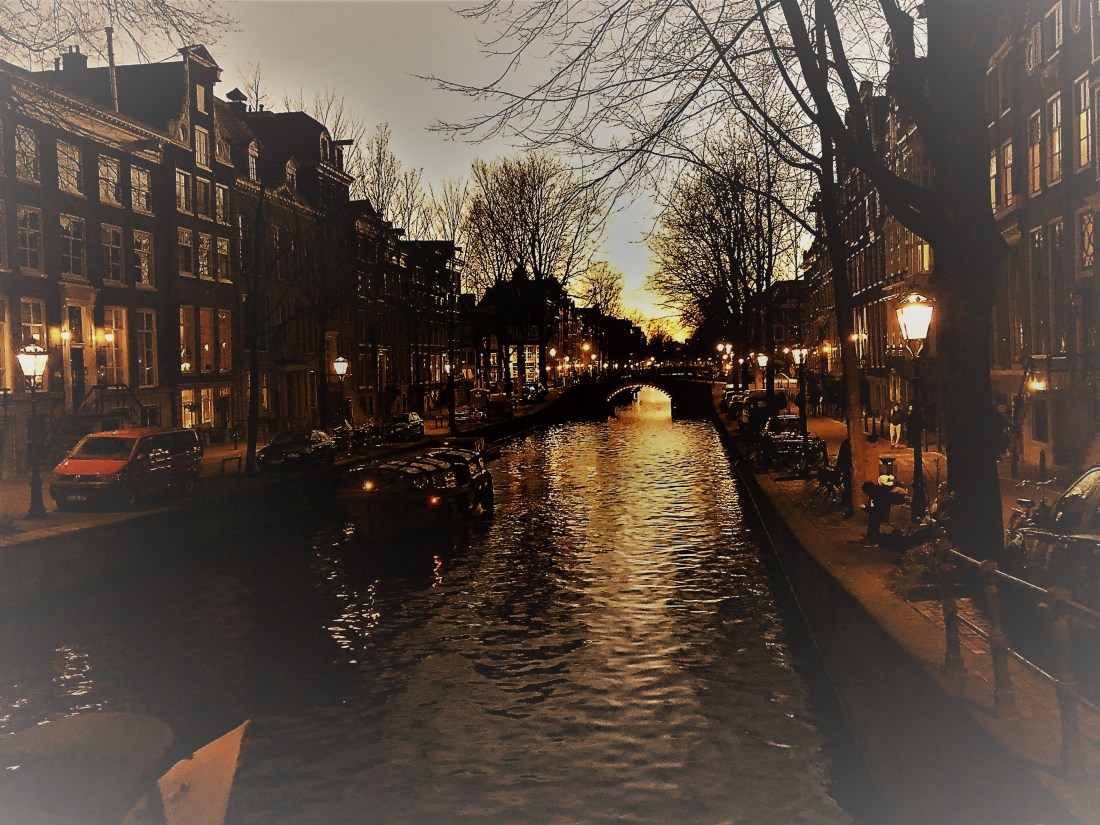
There are 165 Amsterdam canals that combine for a length of about 60 miles.
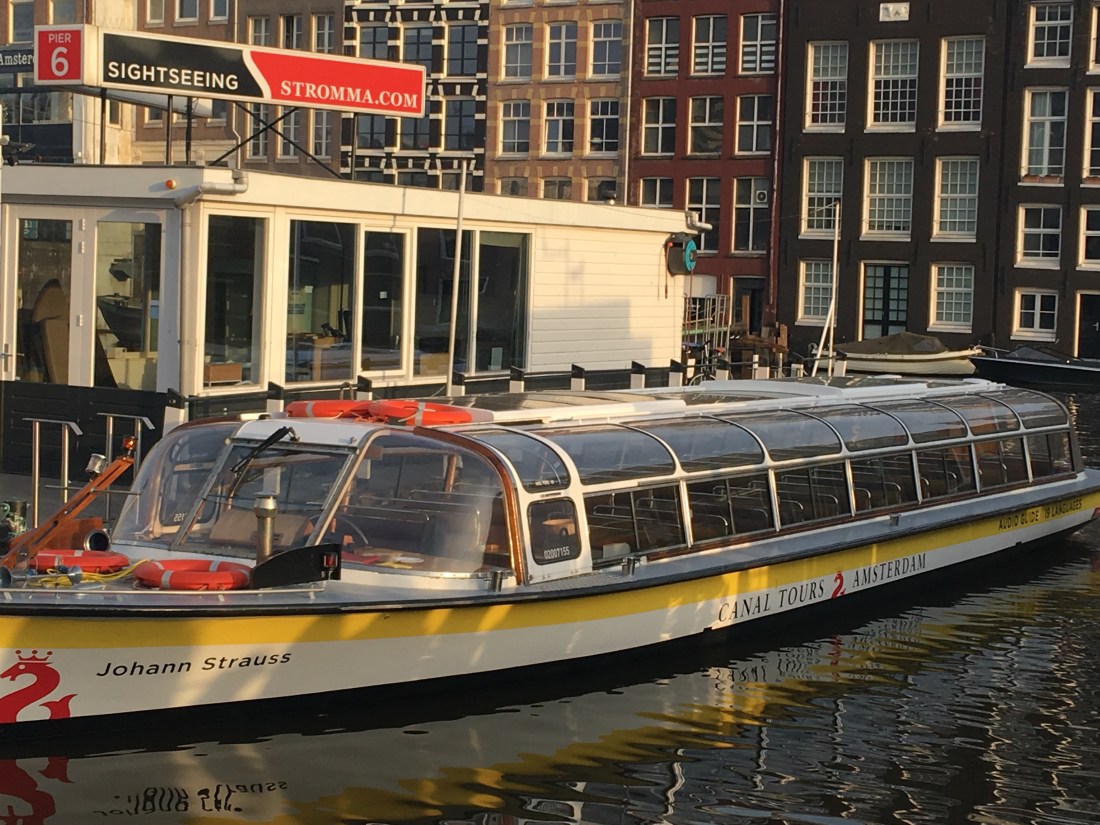
IMG_6948IMG_6938 (2)Houses built for wealthy bankers and merchants did double-duty as both houses and work spaces. The soil was so swampy that they had to build on stilts and that caused them to wobble and sink into the river, so now they are each a little off kilter!  Earning them the name “Dancing Houses”.

There are 2,500 houseboats in Amsterdam.
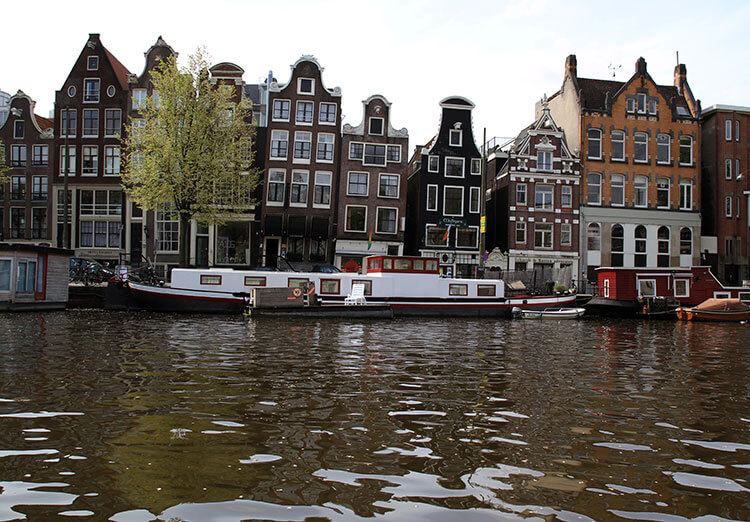
tilting houses

I was able to get a last minute ticket to the Anne Frank house located on a canal called the Prinsengracht, close to the Westerkerk.

An afternoon bike tour took us exploring outside the city.  Just north of Buiksloot, d’Admiraal Windmill stands next to the Noordhollandsch Canal. This octagonal windmill was built in 1792.  (Why are these names so hard to pronounce?)
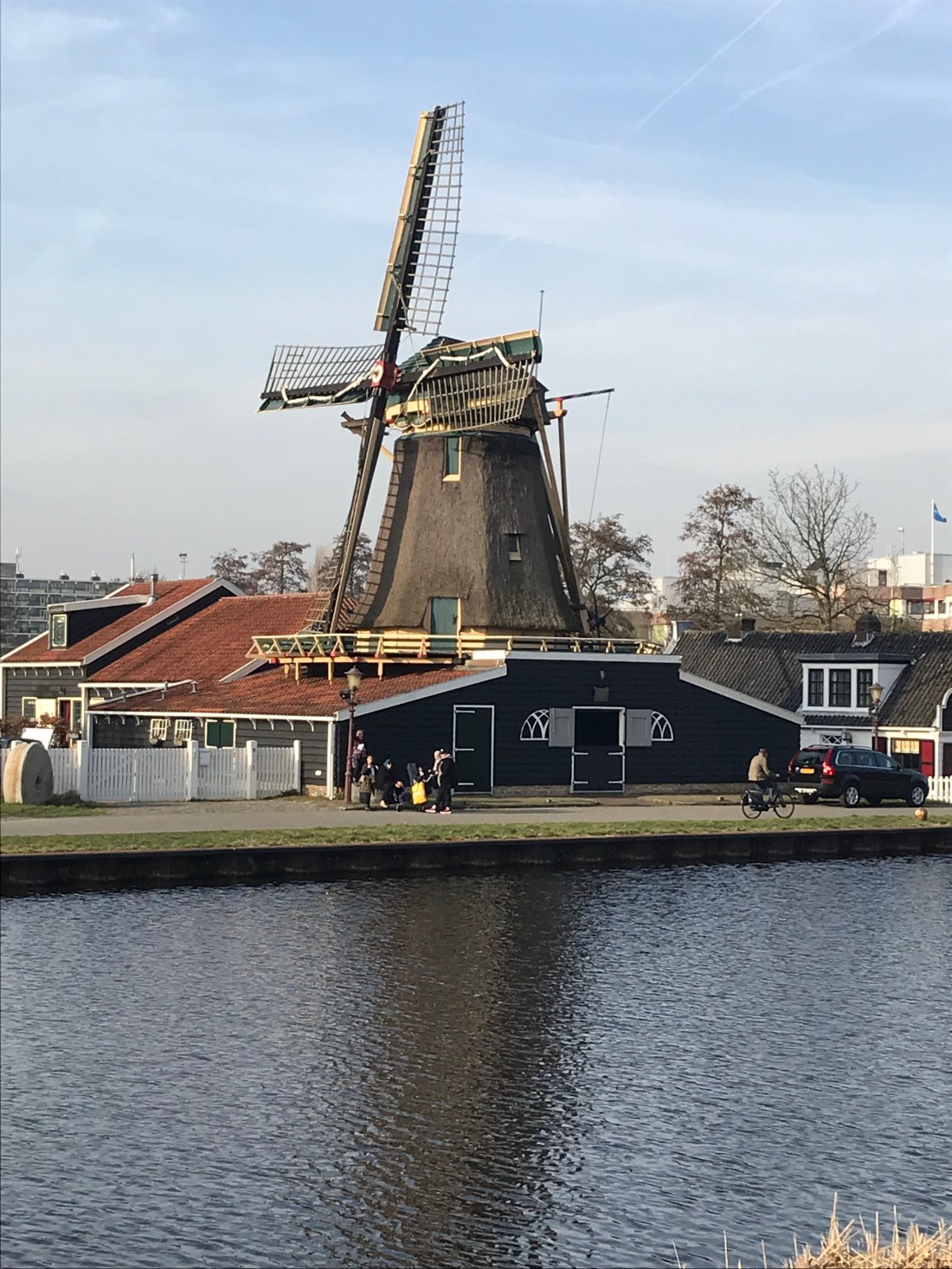
file2-1

Lovin’ Lisbon

Criteria for weekend trip: Within 2 hours of Dublin and warm!

Destination:  Lisbon, Portugal!

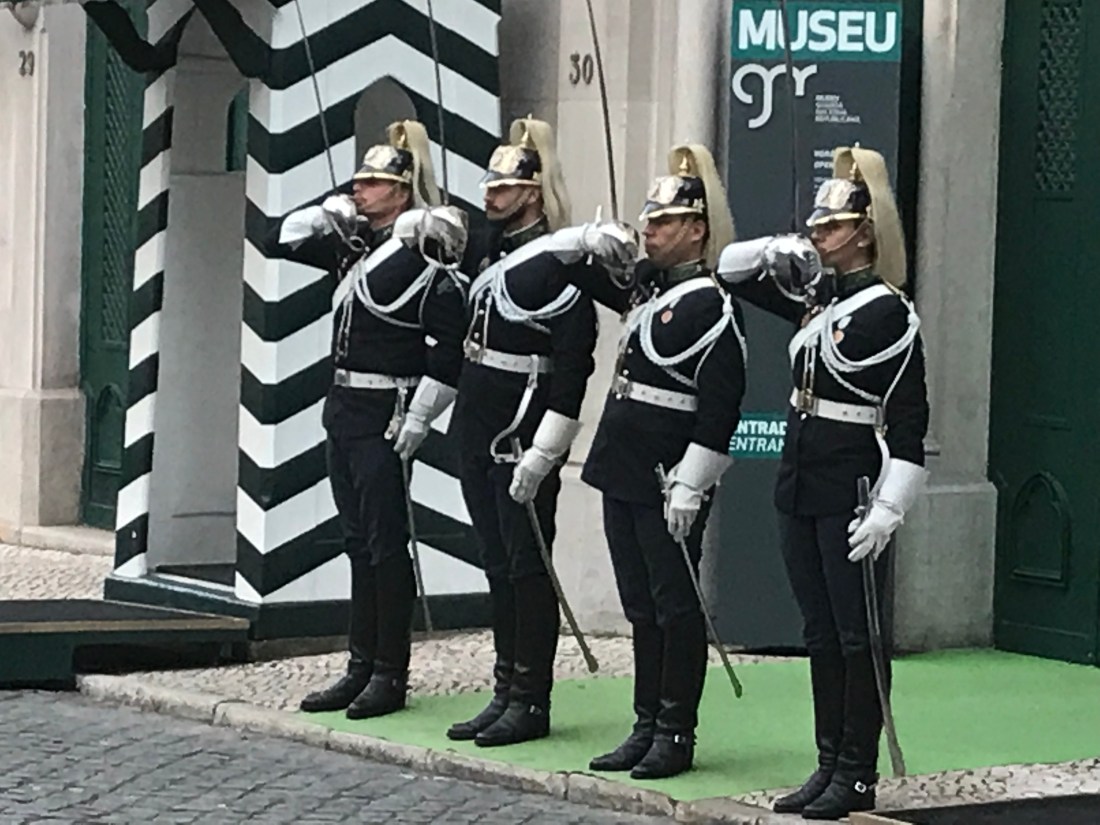
As we walk along the cobblestone streets of Lisbon, the beautiful the capital of Portugal, its hard to think that until 1974 a fascist government ruled Portugal with an iron fist and economic repression.  A revolution in 1974 called the Carnation Revolution occurred where military officers, back by civilians, overtook the fascist government.   The Portuguese are very proud that it was a peaceful take over and no shots were fired.  It was called the Carnation Revolution because when the citizens were told to stay indoors for their safety, then instead came out into the streets in joy waving red carnations. IMG_4513

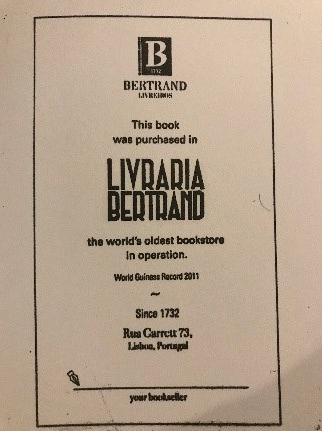
Livraria Bertrand holds the Guinness World Record for the oldest bookstore in the world and has been selling books in the same spot since 1732.  We purchased “What Paintings Say”.   Inside each book’s cover, they stamp their own special branding which is shown here.

book storebook

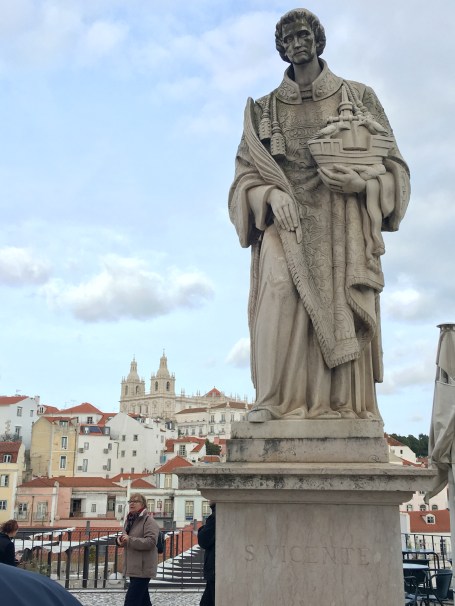
Although St. Anthony is the patron saint of Lisbon elected by the people, another important saint is St. Vincent.  St. Vincent’s statue depicts him holding in his hand a ship with two crows (the coat of arms of Lisbon). Legend tells that the remains of St. Vincent, a Spanish martyr who had been overthrown, were exhumed and brought in a ship guarded by two crows and buried in Lisbon in 1176.IMG_6828

IMG_4495IMG_6798IMG_6753IMG_6804.JPG

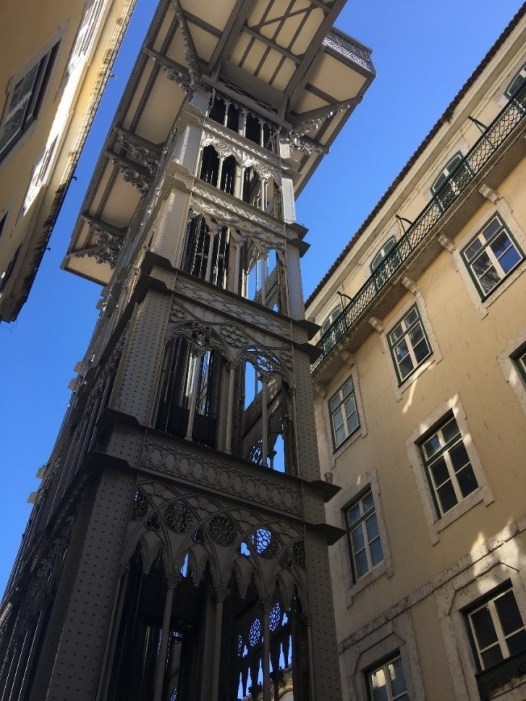
The Elevador de Santa Justa is a 19th century lift that transports passengers up the steep hill from the Baixa district to the Largo do Carmo. The lift dates from an era when wrought-iron was both a construction material and art form, and the structure is adorned with glorious neo-gothic arches and geometric patterns, while inside two sumptuous polished wood carriages whisk passengers up in style.

Historically the Elevador de Santa Justa provided an invaluable service by eliminating the steep slog up Carmo Hill, but today it is primarily a tourist attraction and one of the most unique sights of the city. At the top of the lift is a platform which provides wonderful panoramic views over the historic center of Lisbon.  Rather than wait in the long line at the bottom to go up the elevator, our tour guide had us approach the platform from the upper neighborhood.elevador.jpgIMG_6826IMG_4476IMG_6763

The 1755 Lisbon earthquake occurred in Lisbon November 1st. The earthquake struck late morning as everybody was in Church celebrating All Saints Day.  Those who survived fled in the direction of the seaport where the large open squares promised shelter from the debris of the collapsing buildings.   It was there that they witnessed a strange phenomenon: The sea had vanished and the riverbed was dry. Shortly thereafter, a 40 foot high tsunami-wave reached the city and destroyed the entire harbor, thousands of people standing along the shores were swept away and killed.  After the earthquake and the tsunami, a terrible fire broke out.  Candles, which had been lit all around the city for All Saints’ Day, were knocked over in the earthquake causing a fire that raged for five days. These events almost totally destroyed Lisbon killing 90% of its residents

The main section of the city was totally destroyed, but there was one section called Alfama which survived because it was sitting on different geological ground.  This section of the city was medieval with small, winding, narrow walkways.

After many years of rent controls, rents are skyrocketing and families are unable to afford Alfama.  Today, older people who are still benefiting from many years of rent controls or foreigners who can afford the high rents live in Alfama. A nice apartment in Lisbon rents for about 1,000 euro/month.  But the minimum wage is 585 euro.

This woman is selling ginja, a sweet cherry liqueur that originated in Lisbon.

IMG_4502IMG_4503

Portugal is the number one producer of cork in the world, with over 50% of global production.  Cork is extracted by removing the bark of the oak tree, stripping off the cork underneath.  This does not harm the tree.  After planting a new tree, you must wait 25 year for the first extraction, and another 18 years to start taking good quality cork.  Then every nine years after that.  These trees live between 300 to 500 years.  So that explains why all the souvenir stores are selling cork products – purses, wallets, shoes, etc.

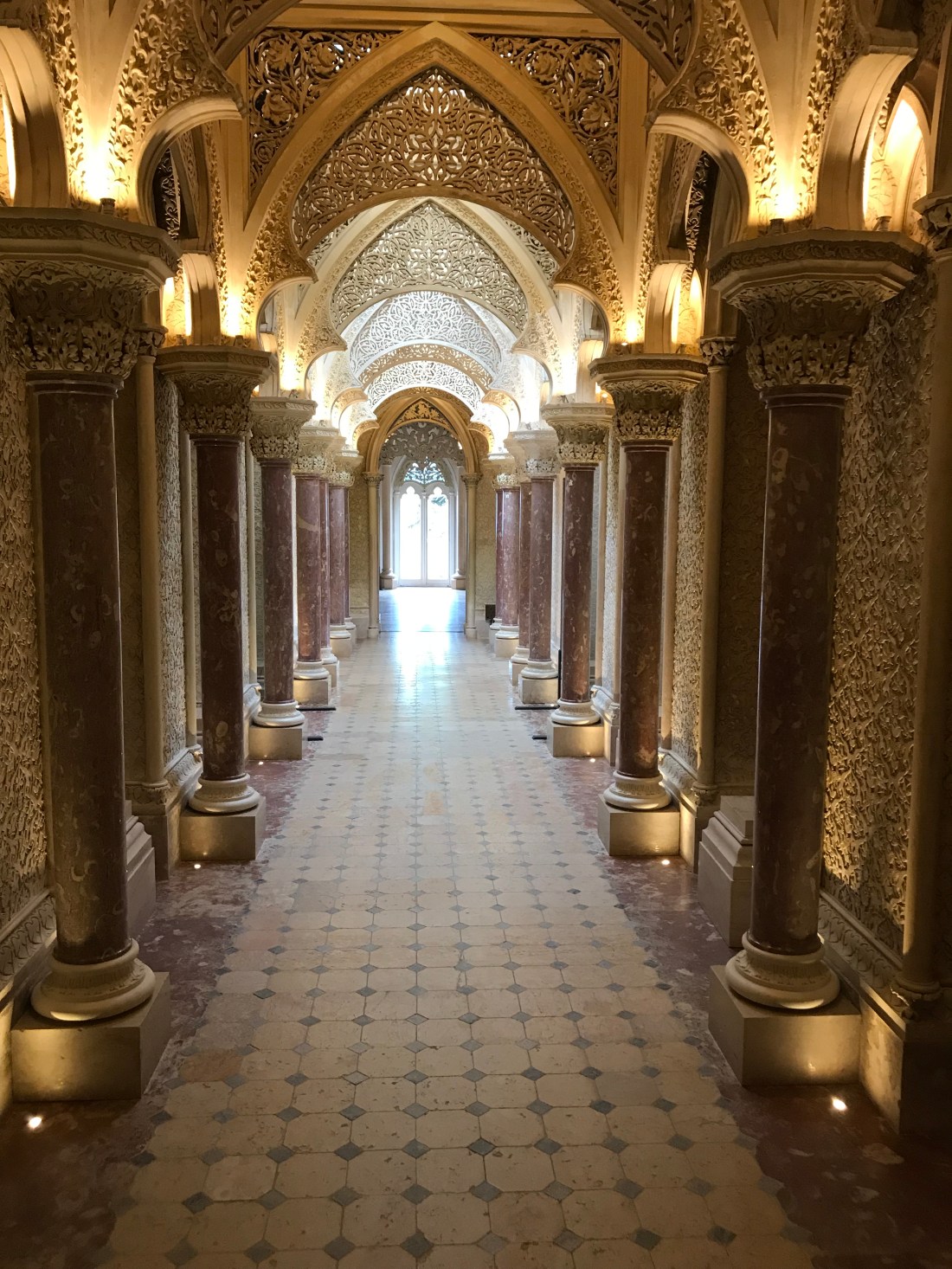
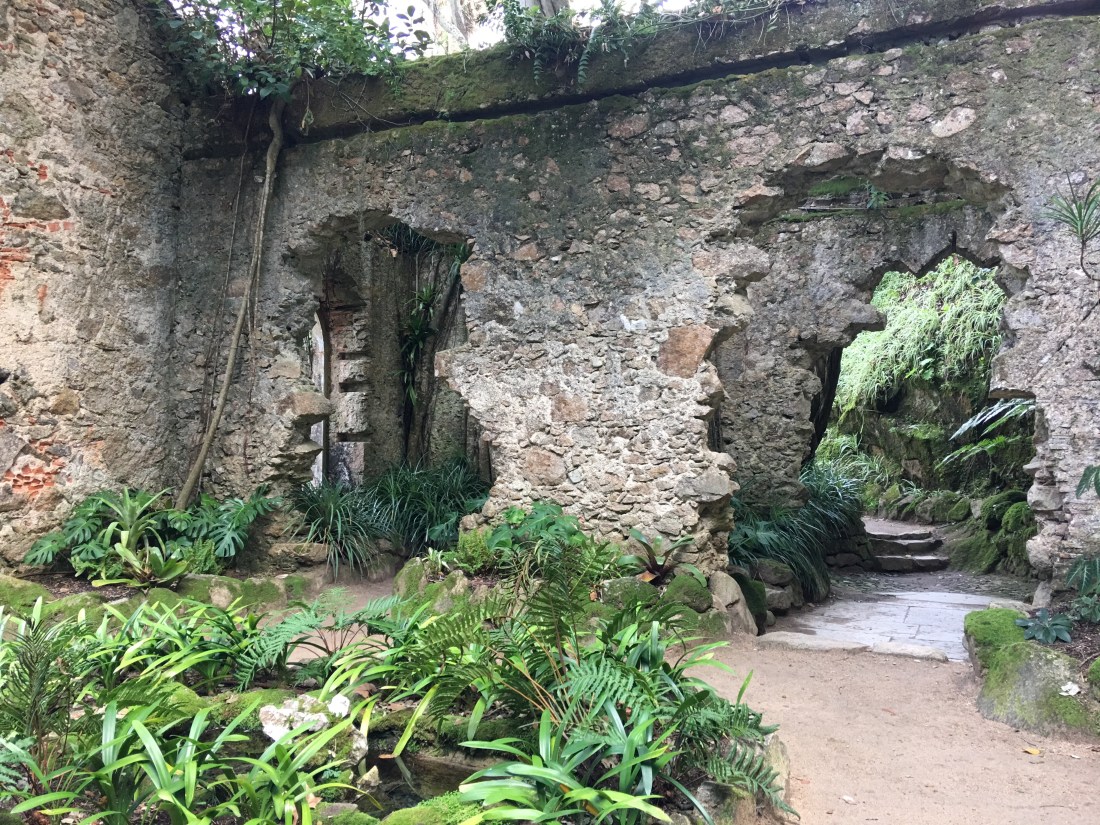
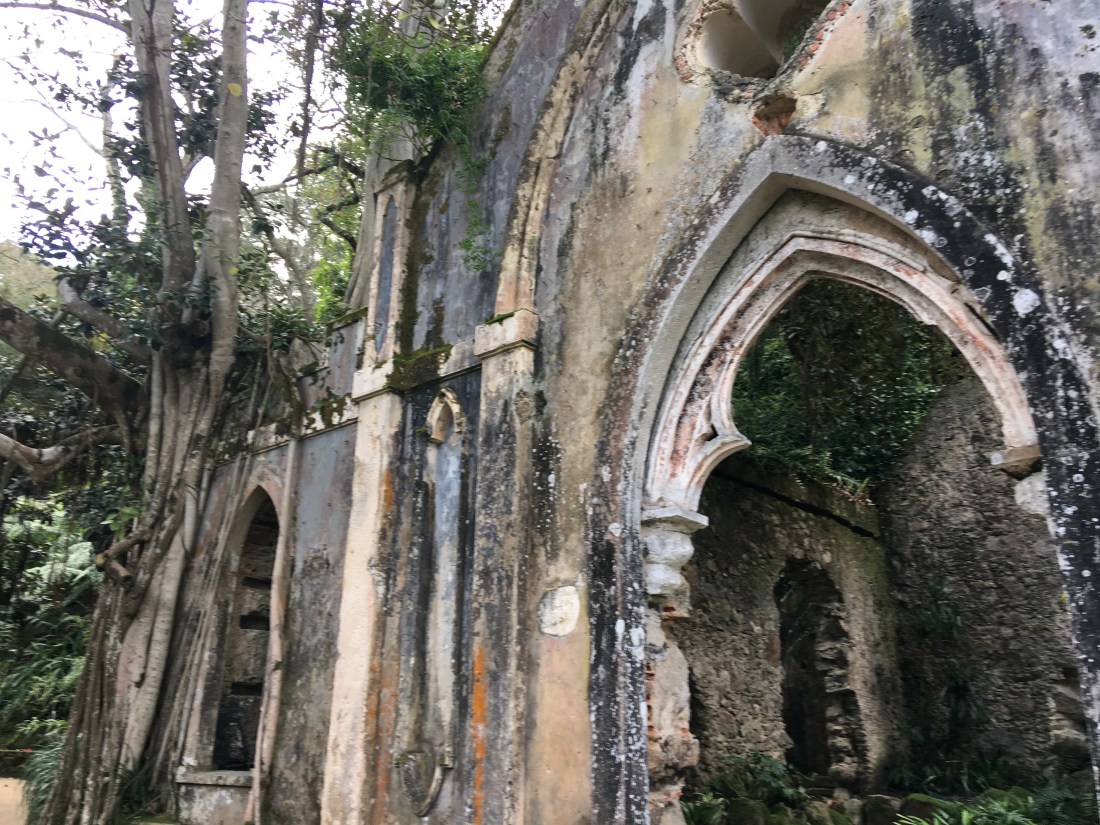
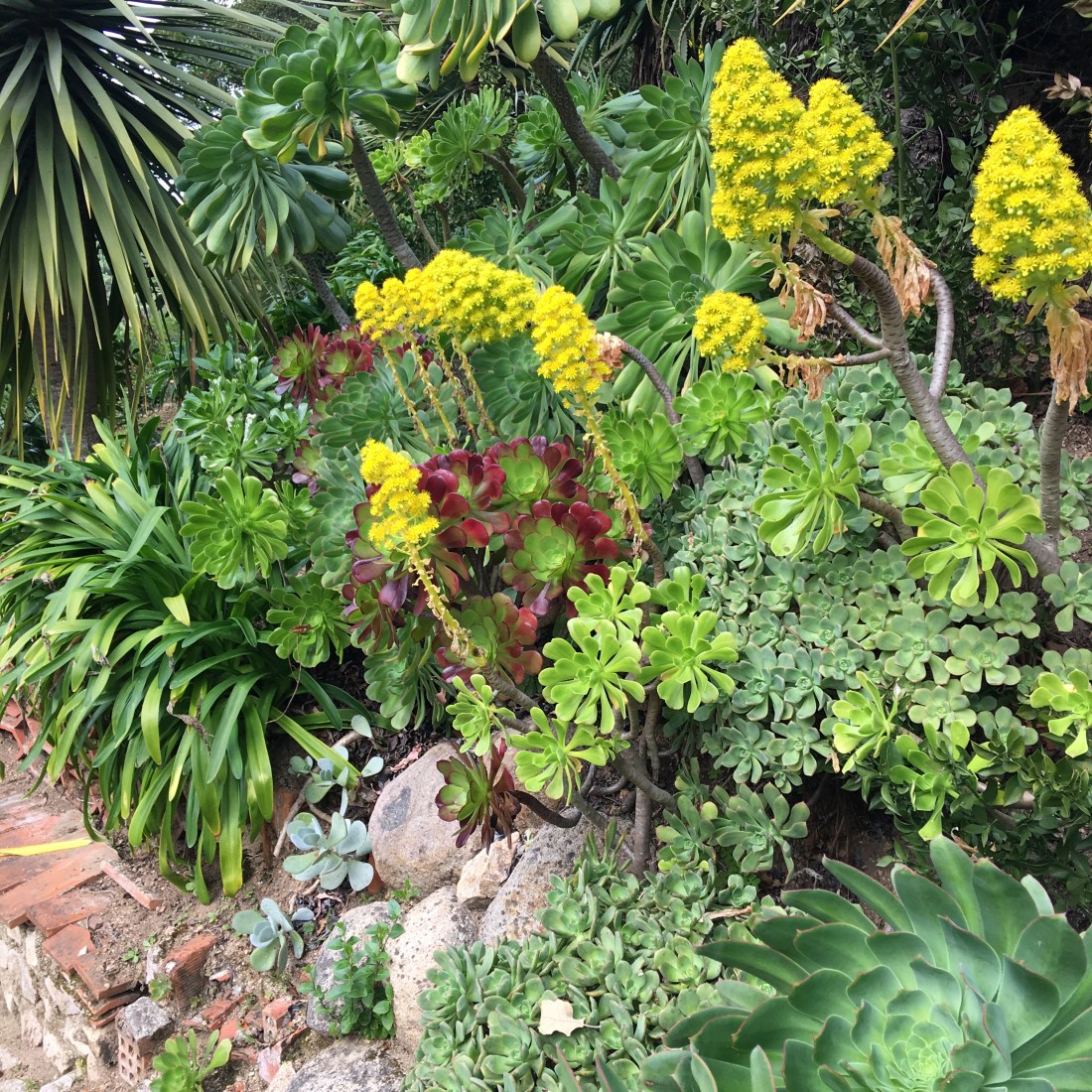
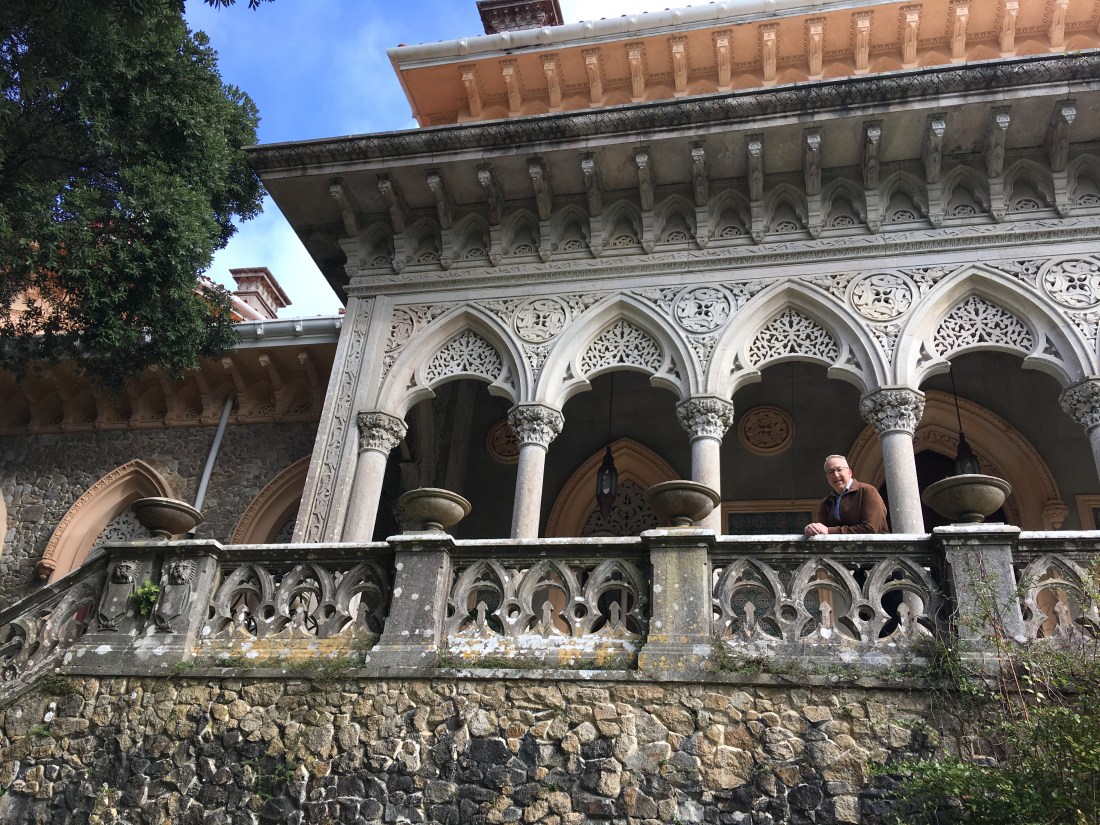
We took a day trip to Sintra which is about 45 minutes from Lisbon.  Very beautiful area with palaces, ruins and gardens.   Rumor has it that Madonna bought a home here last year.

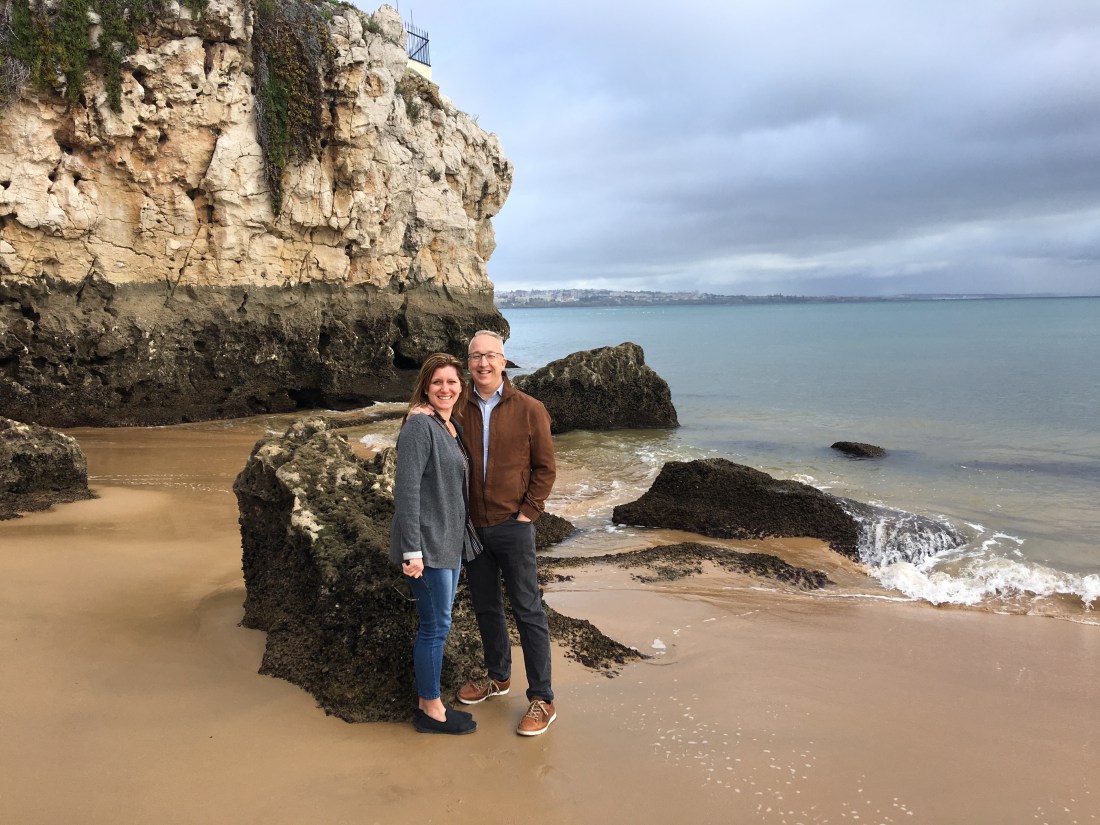
The tour also stopped at the western most point of continental Europe and at a beach area in Cascais.IMG_4540

IMG_4538IMG_6837IMG_6835IMG_6841IMG_6848IMG_6853

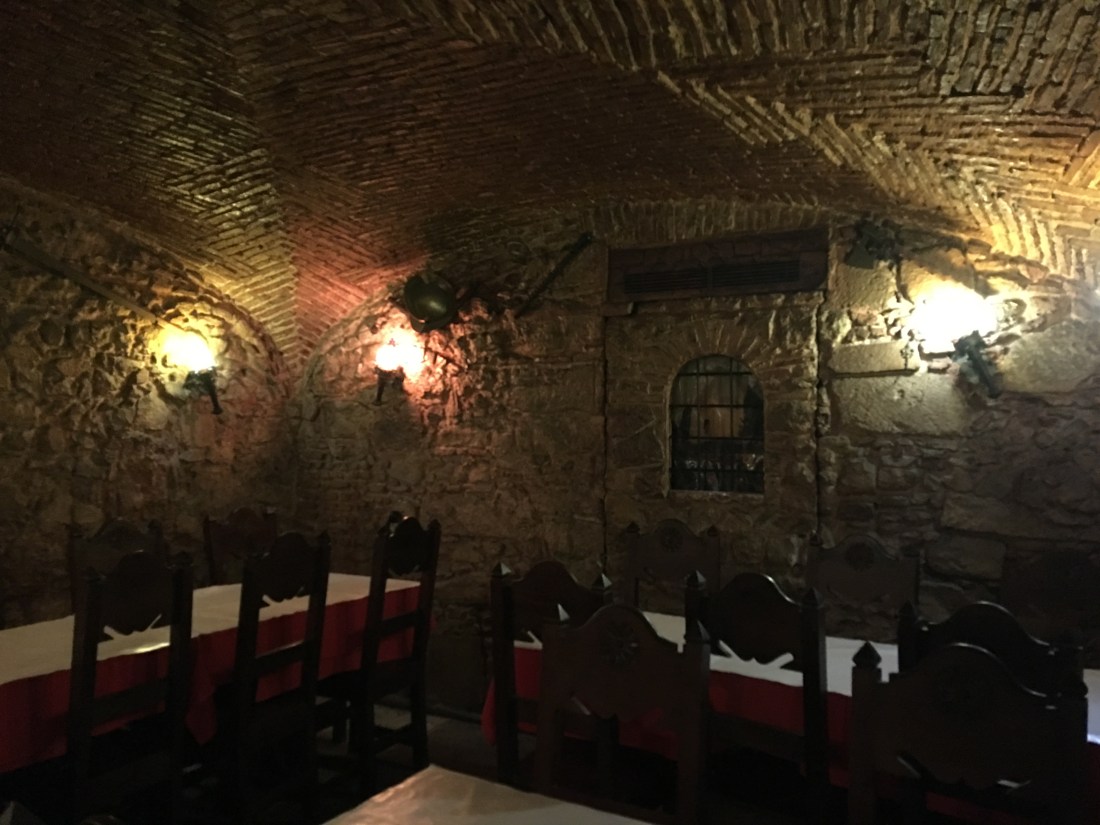
Our tour took us to an off the beaten path to a local bar.  This bar is an underground tunnel connecting one section of a church to another. We were sold homemade green wine.  Green wine is produced from immature grapes and contains less sugar and less alcohol.

IMG_6813

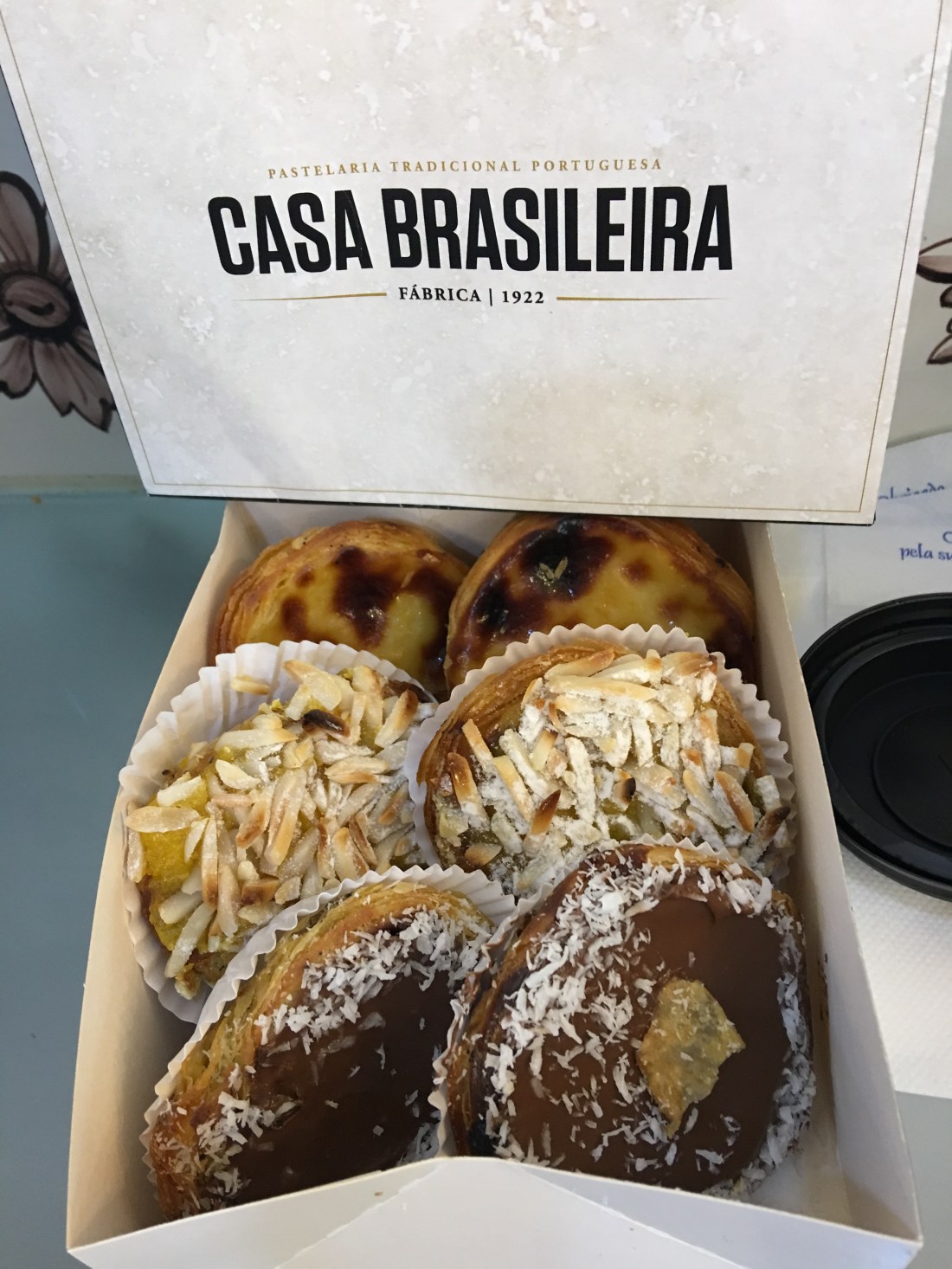
Oh and the desserts – AMAZING!!IMG_6810

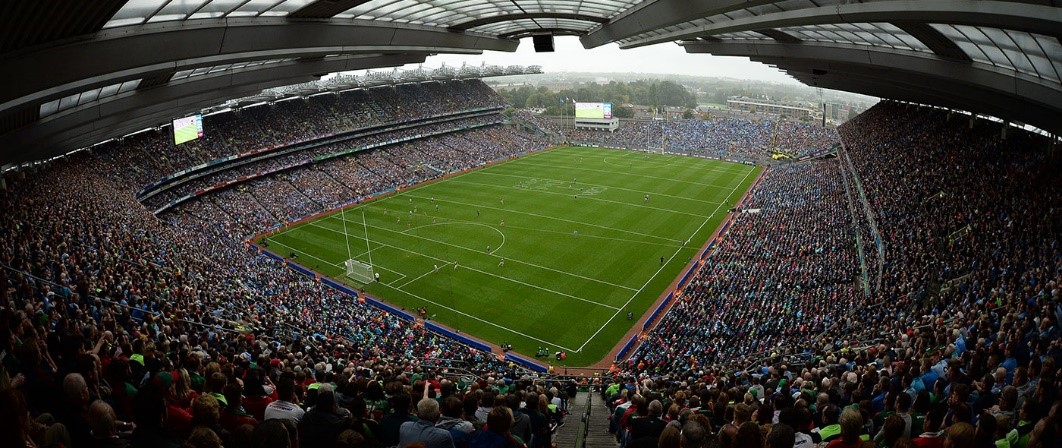
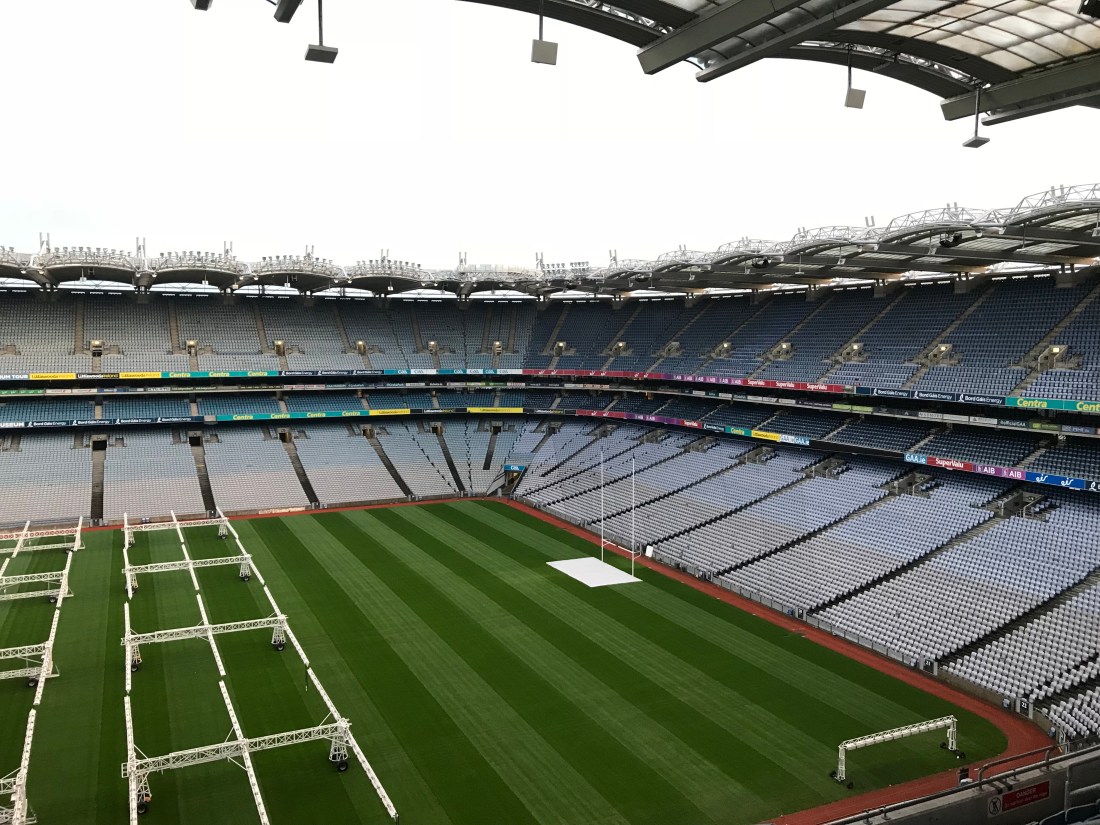
Croke Park: Home of Gaelic Athletic Association(GAA) – Ireland’s largest sporting organization

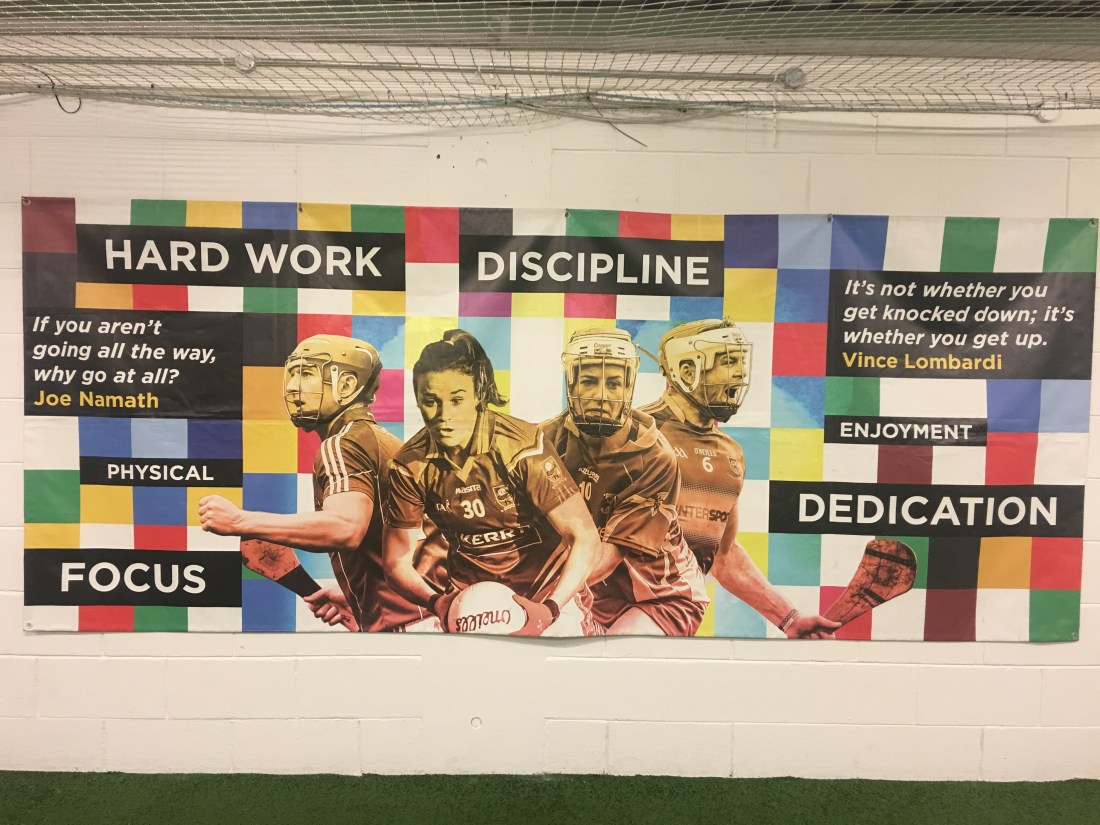
The organization is based around the traditional parish and county structures of Ireland. As a community-based organization, it is often stated that it is difficult to determine where the community ends and the GAA club starts, as the two are so often intertwined. The GAA has over 2,200 clubs in all 32 counties of Ireland.  All players are amateur and all participants are unpaid.  It is considered quite an honored to be selected to play for your county and children start learning the sport at an early age.  Today, the stadium seats over 82,000 fans.

croke

IMG_4416Every summer the inter-county All-Ireland Championships in hurling, football and
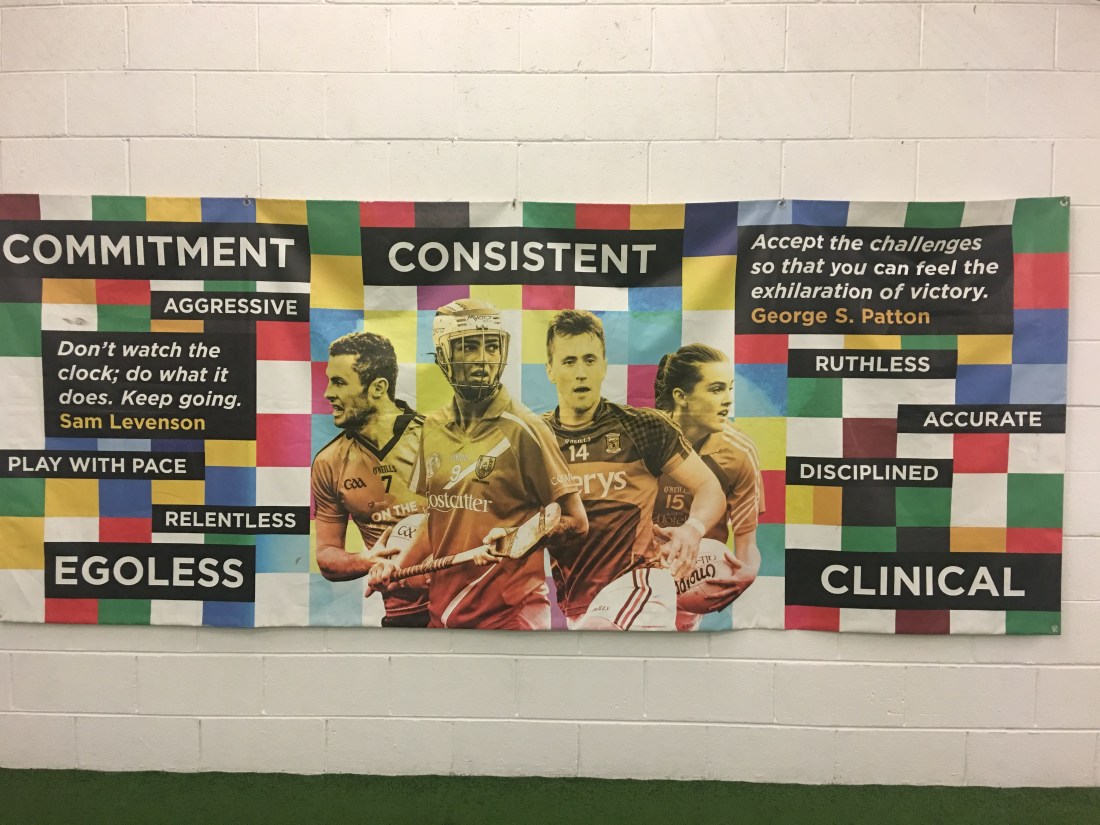
 

(women’s hurling) capture the attention of the Irish public. Regional towns heave with the arrival of large numbers of supporters and all the color, noise and excitement that they bring – culminating with the showcase All-Ireland finals in Croke Park during September.

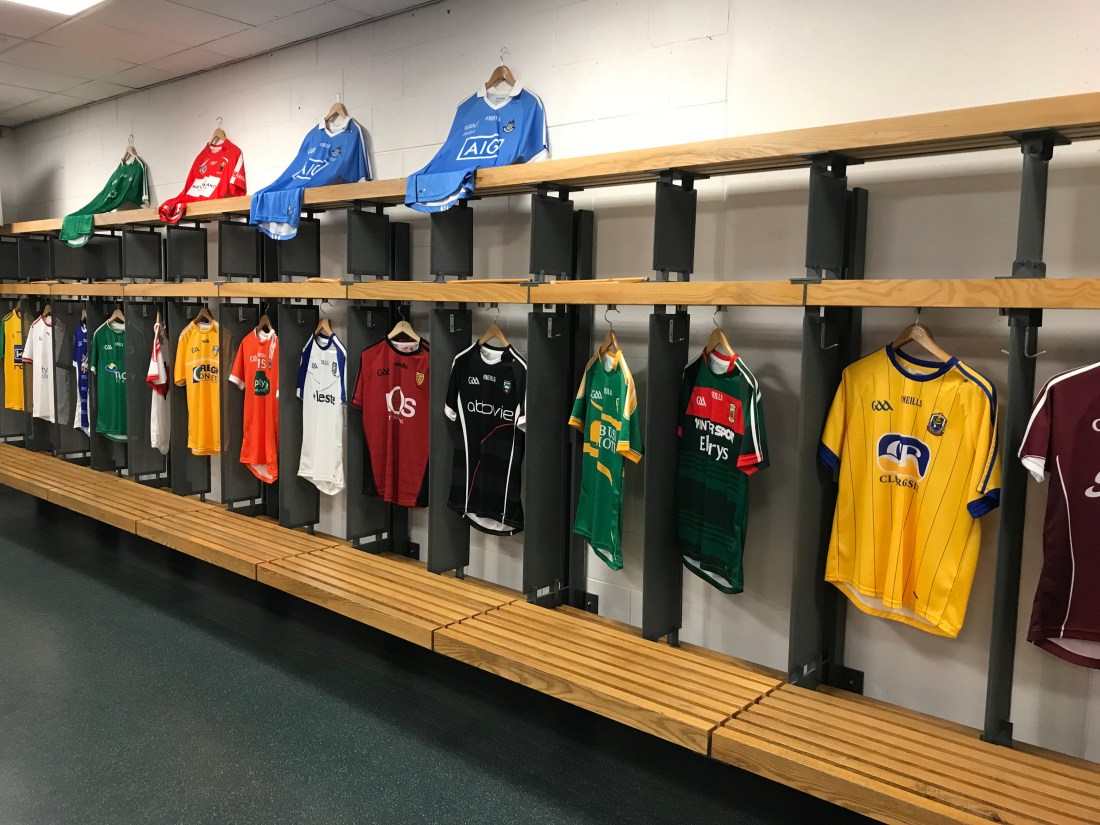
We toured Croke Park with Emily and Austin in December.  We took this picture from inside the locker room.  The jerseys represent each of the counties.

IMG_4411

In 1918 the GAA was declared a dangerous organization by the British Government and Gaelic games were banned. However, on Sunday August 4th over 54,000 GAA members, defying the ban, played GAA games at a designated time of 3pm all over Ireland. At Croke Park players were prevented from entering the grounds so Camogie players treated police officers to the spectacle of a game of Camogie outside Croke Park on Jones’ Road. This day became known as ‘Gaelic Sunday’.

On November 21,1920 thirteen spectators and one footballer died in Croke Park when British Troops entered the grounds and opened fire during a challenge match between Tipperary and Dublin. Over 10,000 people attended the match that ill-fated day which become known as ‘Bloody Sunday’.

Stay tuned – On Saturday, February 23, 2019, we will be in the stands to cheer on County Dublin vs. County Mayo in Gaelic football.

IMG_6567

IMG_6566

Aviva Stadium

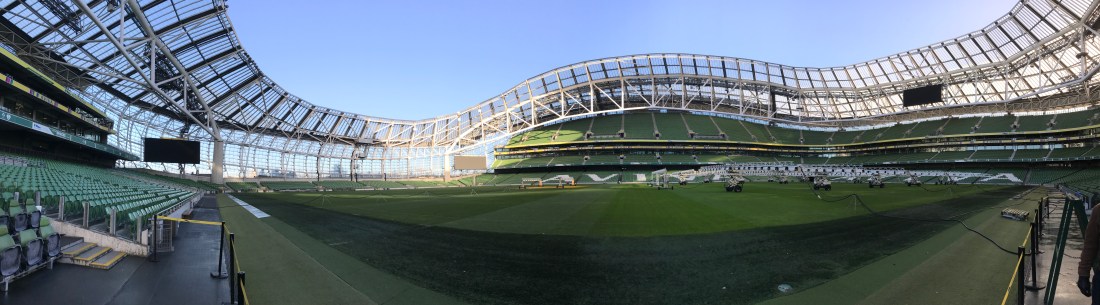
A sunny Friday in December found us touring the Aviva Stadium – home to Irish rugby and football (aka soccer). The stadium was built smack in the center of a residential neighborhood.  While three of the sides feature four-level stands, the north end (deep left side in picture) comprises just a single level – so as not to block the (in any case fairly rare) sunlight from the neighboring homes. IMG_4379.JPG

Phoenix Park – An unexpected delight! So much to experience!

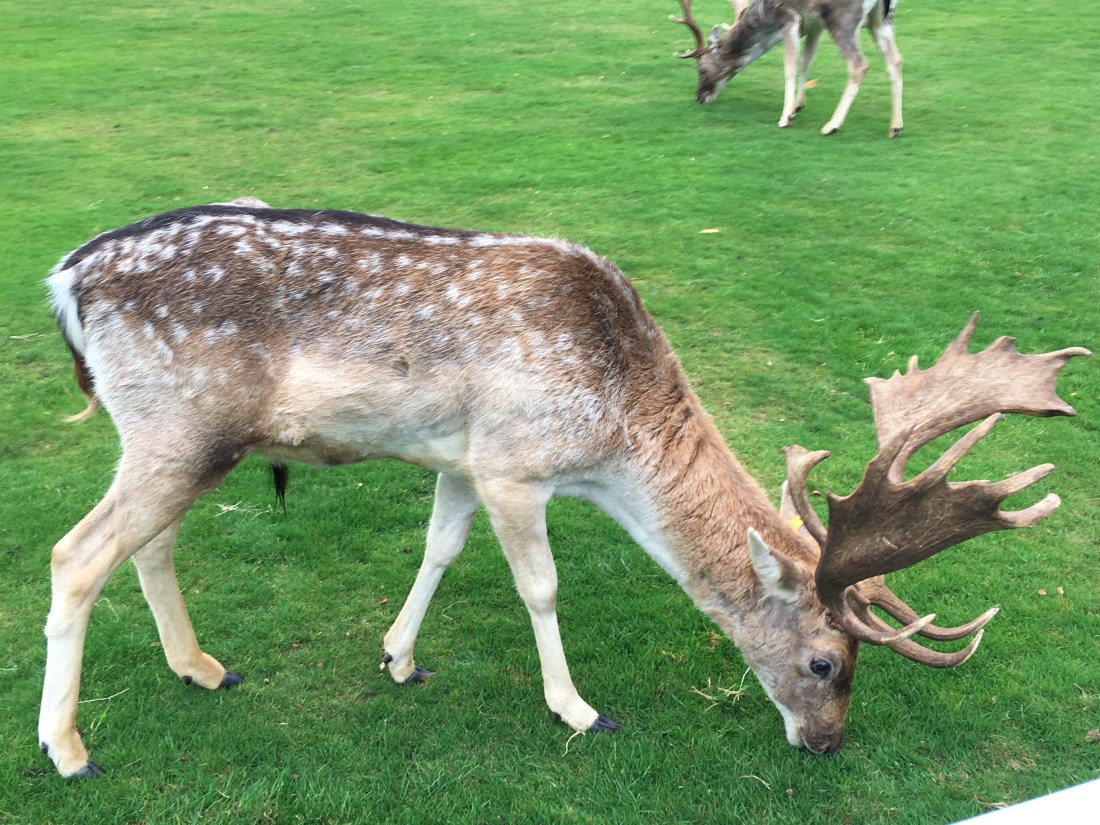
It’s the largest enclosed park in any capital city in Europe and twice the size of Central Park, NY.  Phoenix Park was started as a deer park, and they still roam the grounds freely. People walk among the deer.  And yes, you truly can get this close but be careful, a fight broke out among the deer when we were there.  With racks of antlers like this, it was crazy that they allow visitors to get this close.  There is no park patrol and lots of visitors. Upwards of 200 fawn are born there each year.  The deer’s lineage can be traced back over 200 years when the walled park was created to keep the deer in (and the locals out).

IMG_6199

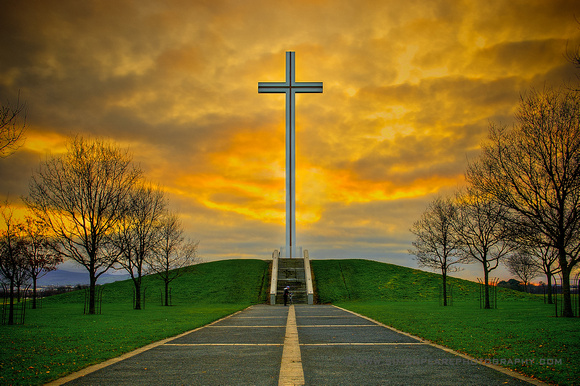
The Papal Cross in Phoenix Park was erected as a backdrop for the outdoor mass celebrated there by Pope John Paul II on 29 September 1979. The congregation numbered over million, equal to Dublin’s population. The white Latin cross, which dominates its surroundings, is 115 ft high and was built with steel girders. It was installed with some difficulty: after several attempts, the cross was eventually erected just a fortnight before the Pope arrived.  Pope Francis celebrated mass at the spot in August 2018 (only a few weeks before our arrival).

papal cross

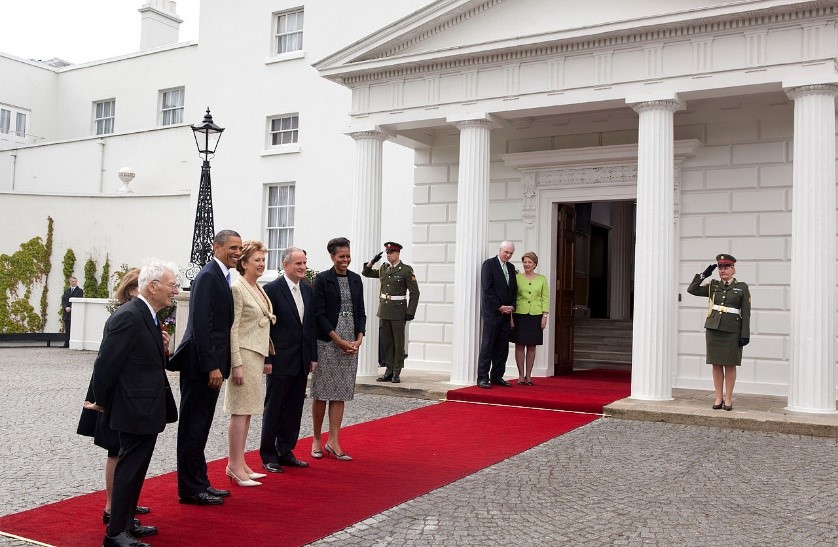
After an up-close visit with the deer, we had and up close tour of the President’s house which is also located in Phoenix Park.  There was minimal security to enter the tour and were surprised to be ushered right into his private office.

white house

President McAleese greets US President Obama and First Lady Michelle Obama on 23 May 2011.

The presidency is largely a ceremonial office acting as a representative of the Irish state and guardian of the constitution. The President’s official residence, Áras an Uachtaráin (no idea how to pronounce but it means “Residence of the President” in English), is in Phoenix Park. The first president took office in 1938.  So, to date, there have only been nine presidents – wow!

The president holds office for seven years, and can be elected for a maximum of two terms. The President is directly elected by the people.  The current President is Michael D. Higgins, who was first elected in 2011. He was re-elected for a second term in 2018.

The Irish Harp

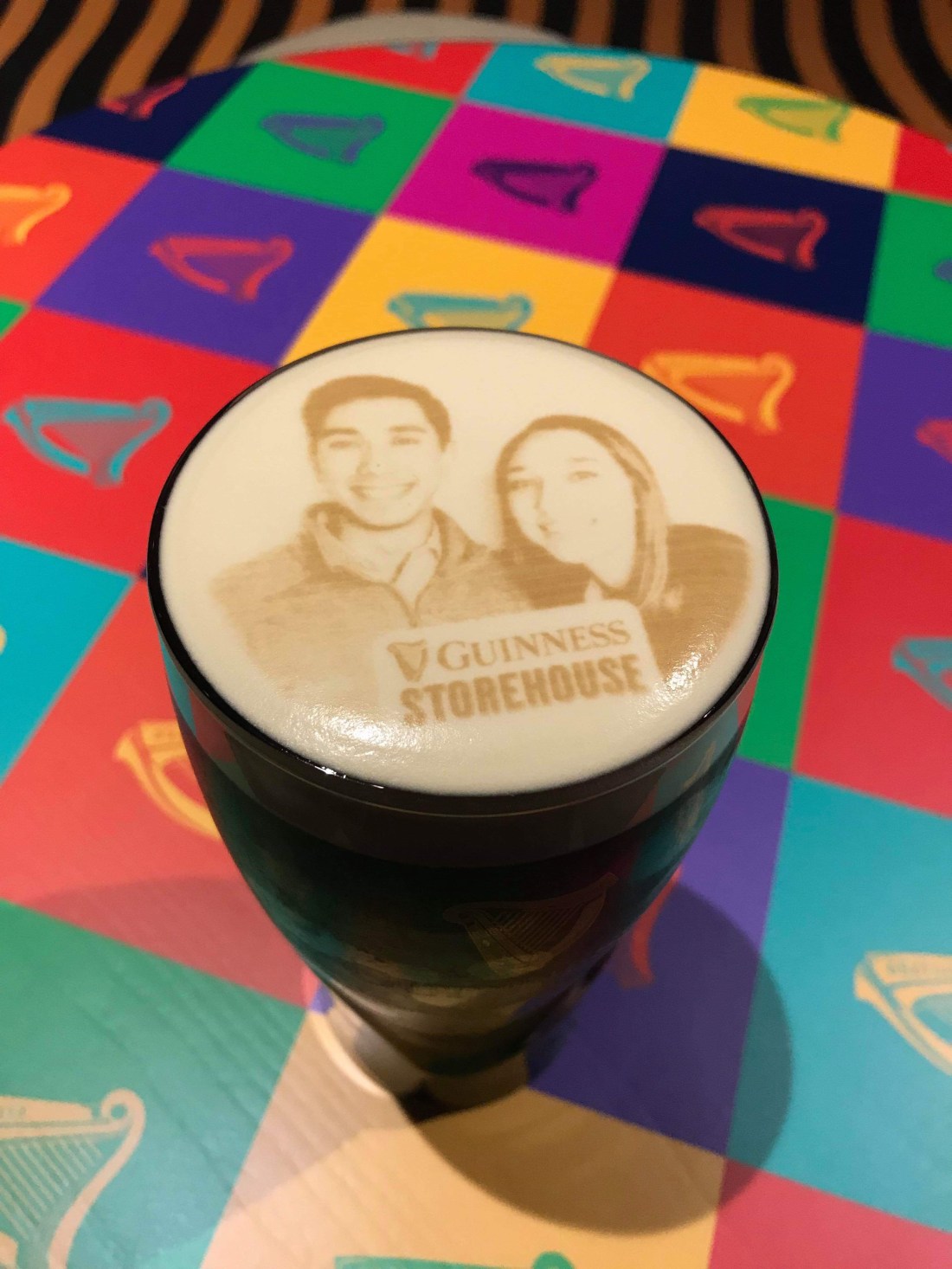
The Guinness family adopted the harp symbol years before Ireland’s Free State Government, which is why the government’s harp is backward!

The harp has been synonymous with Guinness since 1862, when it was used as a symbol on the first bottle label for Guinness. The harp is also the official national emblem of the Republic of Ireland and can be found on the Republic’s coins. The harp is a symbol of Ireland because it has been played in Ireland for over 1000 years.  However, there is a difference between the Irish government harp and the Guinness harp. As Guinness had trademarked the harp symbol in 1876, the Irish Free State Government of 1922 had to turn the official government harp the other way around so as it could be differentiated from the trademarked Guinness harp.

The distinguishing feature between the two harps is that the Guinness Harp always appears with its straight edge (the soundboard) to the left, and the government harp is always shown with its straight edge to the right.

One only orders a ‘Pint” of Guinness – not a glass, not a bottle and never a can and most wouldn’t drink it outside of Ireland.

Happy Thanksgiving

IMG_6287IMG_6294IMG_6292IMG_6298“Happy Thanksgiving!!”  I’ve never heard that said to me so many times from my Irish co-workers.  They are very much aware of this American holiday and want to know all about the traditions associated with the holiday – be it what we eat, who works on the holiday and day after, what does Black Friday mean, etc.  All day long while I worked (yes I worked a normal day) I had these questions.  Interesting fact is that Ireland now has their “Black Friday”.  It is basically every Friday and they have special sales….yep every Friday.  Ireland took our Black Friday and made it even worse with it being every Friday between now and Christmas.  Sorry Ireland!!!
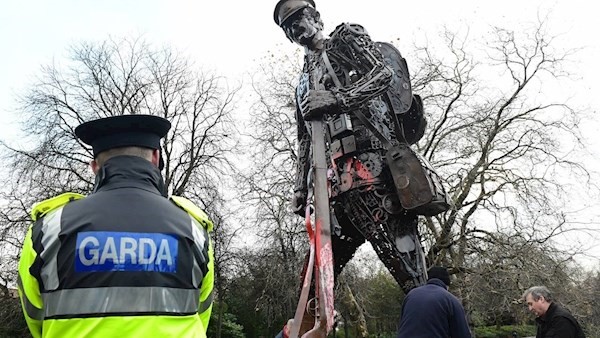
On Thursday morning, we woke to hear that the “Haunting Soldier” sculpture in St. Stephen’s Green Park that we has visited on Monday at had been vandalized with red paint.  The 6m-tall sculpture has been on loan from its British creators to mark the centenary of the ending of the World War I, in which an estimated 300,000 Irish served and 49,000 died. The sculpture was designed to evoke the fragility and suffering of those who survived the war and who returned home to an uncertain and difficult future.

Soldier

For their last day, we decided to return to the park to see the sculpture again, do some more exploring, and buy souvenirs.  The statue had been cleaned but a large crowd was gathered at the statue.

Grafton Street is dedicated to shopping – from end shops, boutiques and Irish goods (Brown Thomas or the Powerscourt Townhouse Centre) to a more bazaar atmosphere (George’s Street Arcade). In 2008, Grafton Street was the fifth most expensive shopping street in the world

We ate dinner in the Temple Bar area.  There are excellent pubs and bars all over Dublin, but only in Temple Bar will you be able to literally step out of one pub and straight into the next one without as much as hitting the pavement in between. Temple Bar pubs are always busy and you are almost guaranteed to never have a dull moment.  Music is in the air all over Temple Bar, from traditional Irish folk to the latest bands and DJs.

Chuck and Michelle ordered fajitas, Alex had a small pizza and Rachel had a roasted chicken….Happy Thanksgiving!!  After dinner, we went on an Irish musical pub crawl.


Belfast


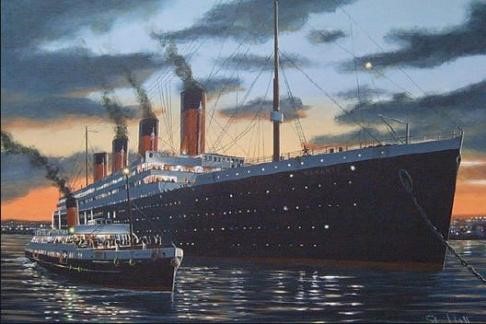
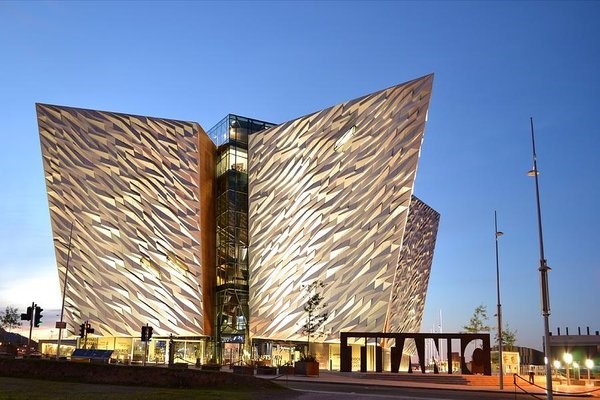
Titanic 3.jpgTitanic 1Titanic 2.jpgOn Wednesday, the four of us drove two hours north to Belfast which is part of the United Kingdom.  The first stop was the Titanic museum located in the dockyards of Belfast.
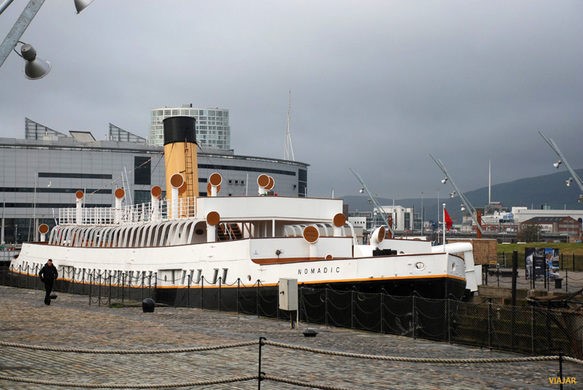
Titanic Belfast opened on May 31, 2012, exactly one hundred years after the RMS Titanic embarked on her fateful maiden voyage. The Titanic Museum is in the area where these impressive liners were constructed by the famous ship building company Harland and Wolff. You see the iconic H&W yellow cranes – an impressive legacy of this once thriving industry.. The museum went into the details of the design of the ship, who built the ships, the passengers, the sinking and the aftermath.   The SS Nomadic was a tender ship to larger vessels like the Titanic. It is the biggest surviving Titanic related artifact in the world.

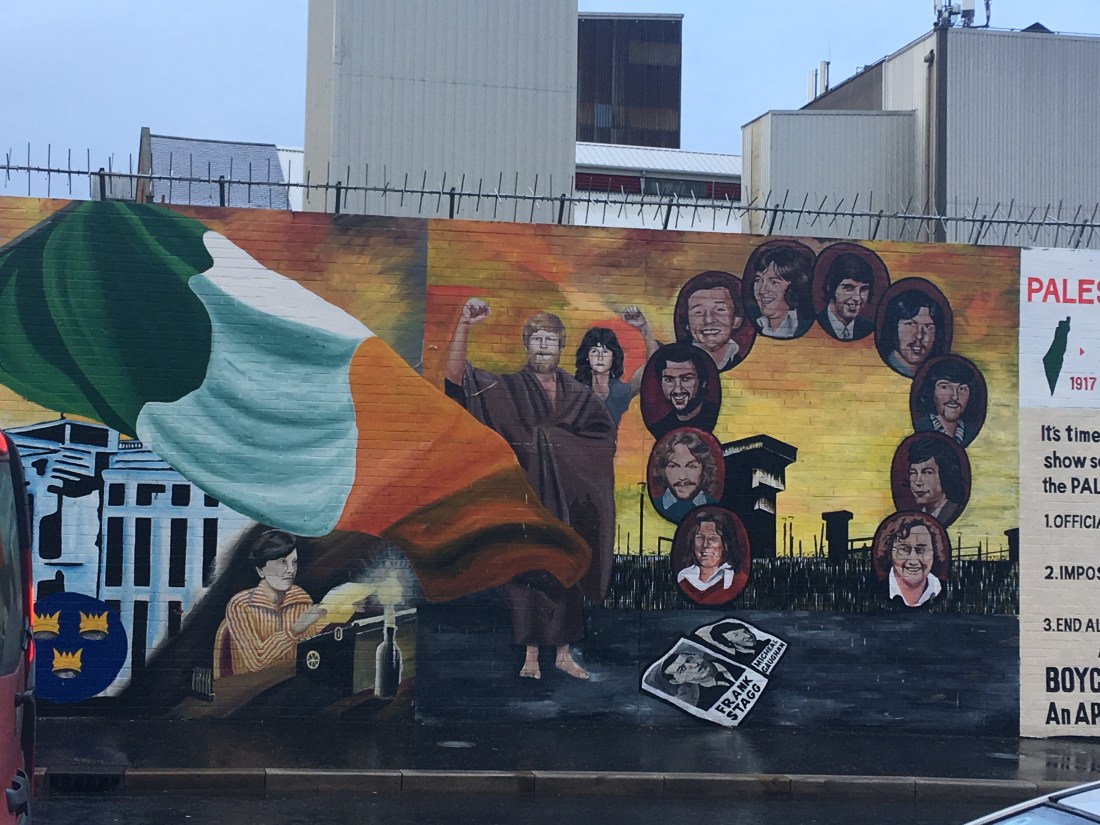
Next we then took a “Black Cab Tour”.  This is a 2 hour cab ride given by a local who talks about the “Troubles”.  The Troubles is a dark time of Northern Ireland history and actually occurs over many centuries.  The two groups are the Protestants which have traditionally been supported by the United Kingdom and the Catholics.  The tour focused on more recent history from the 1960’s to present time. We visited both the Catholic side and the Protestant side which is still divided by a very large wall.  Even though the violence is mostly gone, there is still is a lot of distrust between the two groups.  This was the highlight of our day in Belfast and it was incredibility informative.

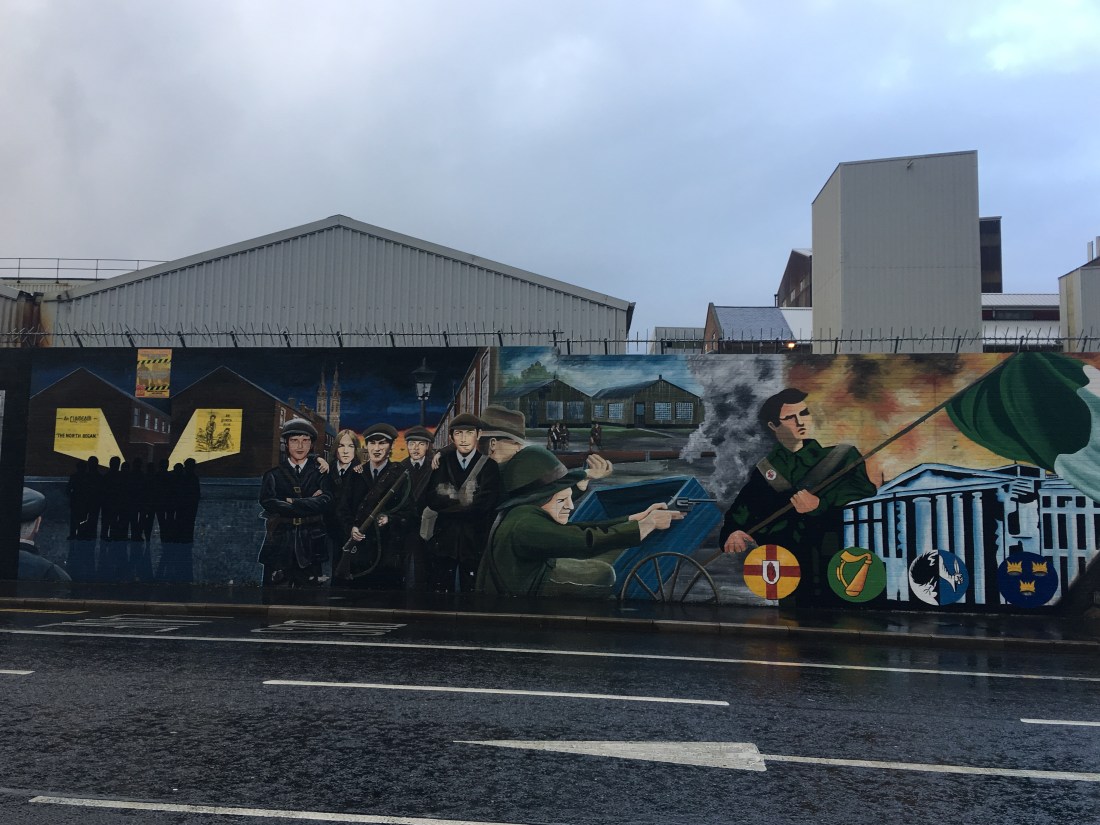
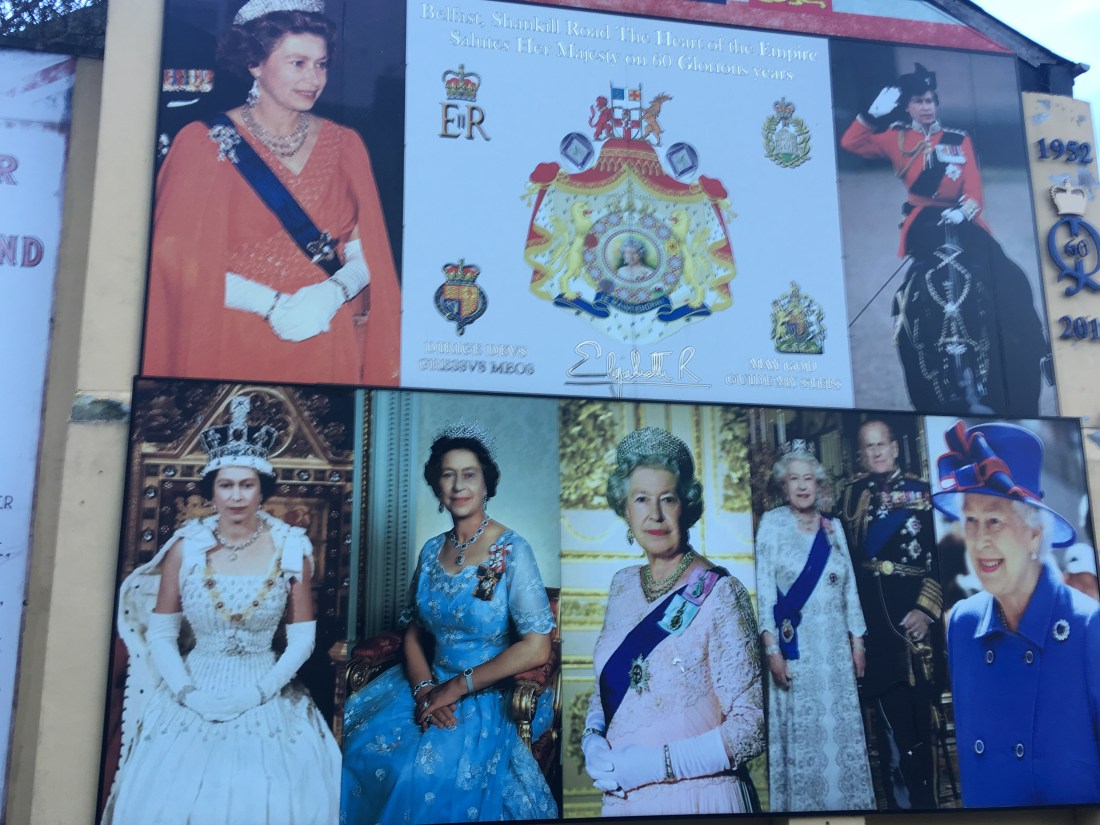
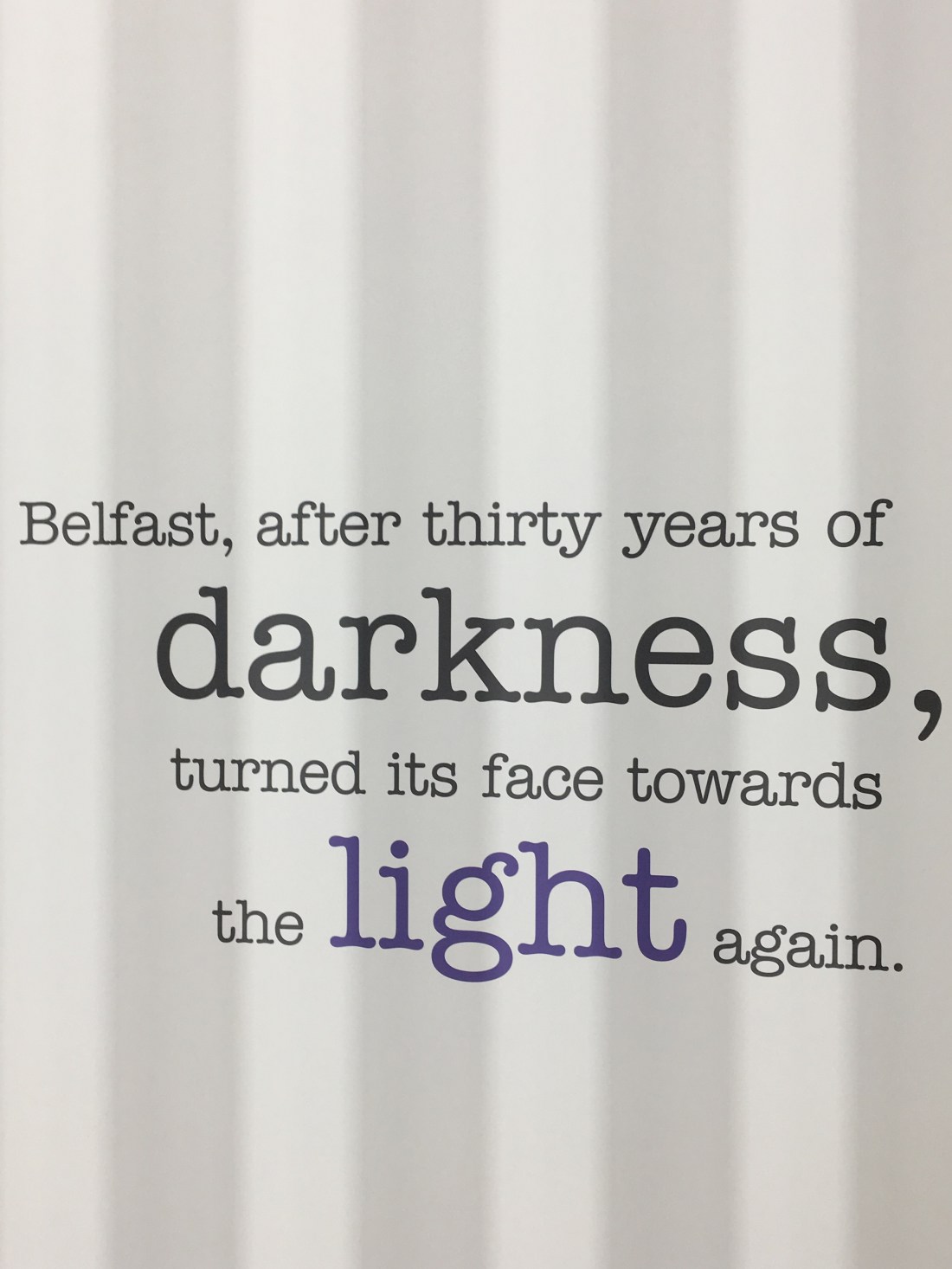
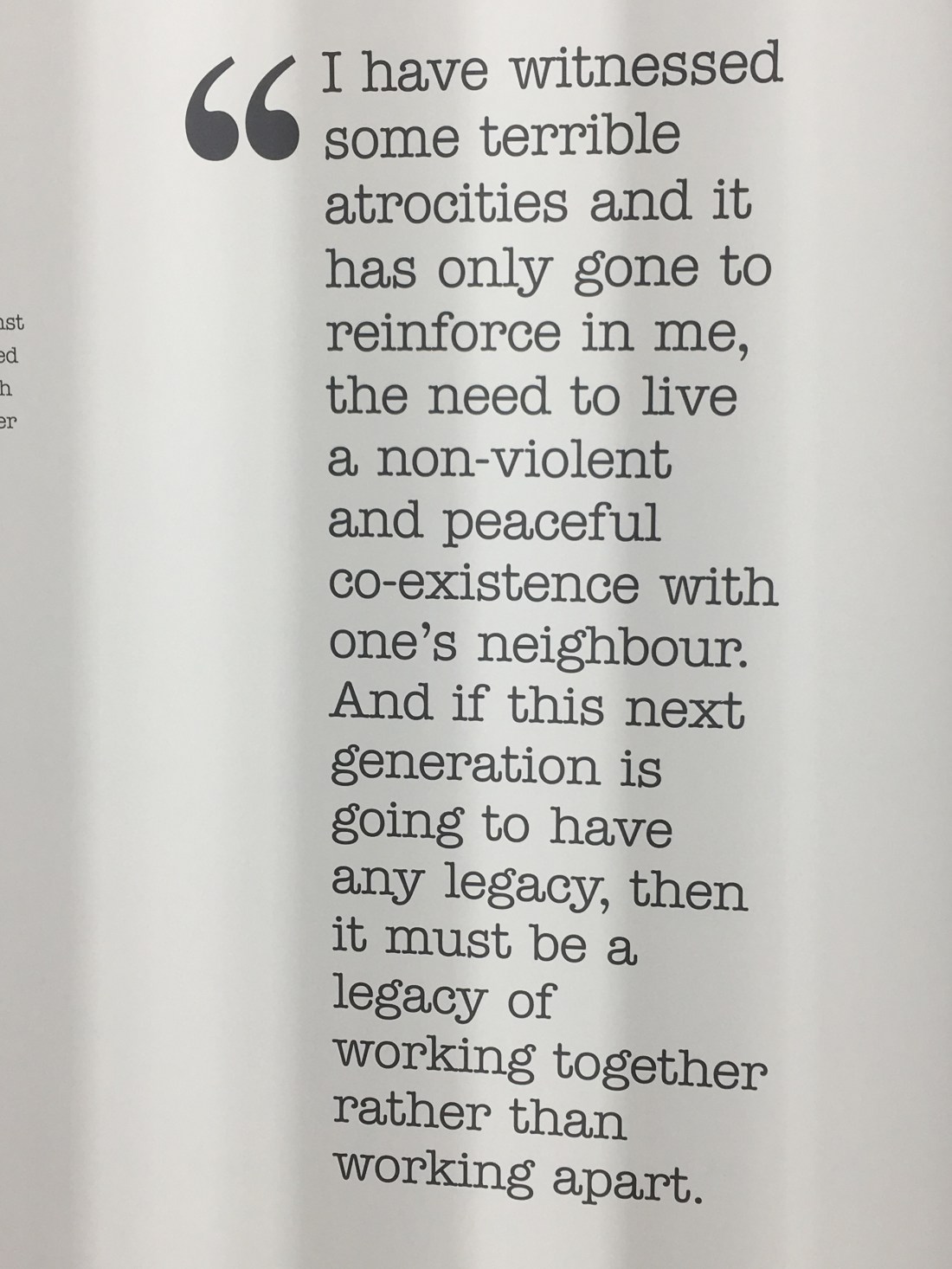
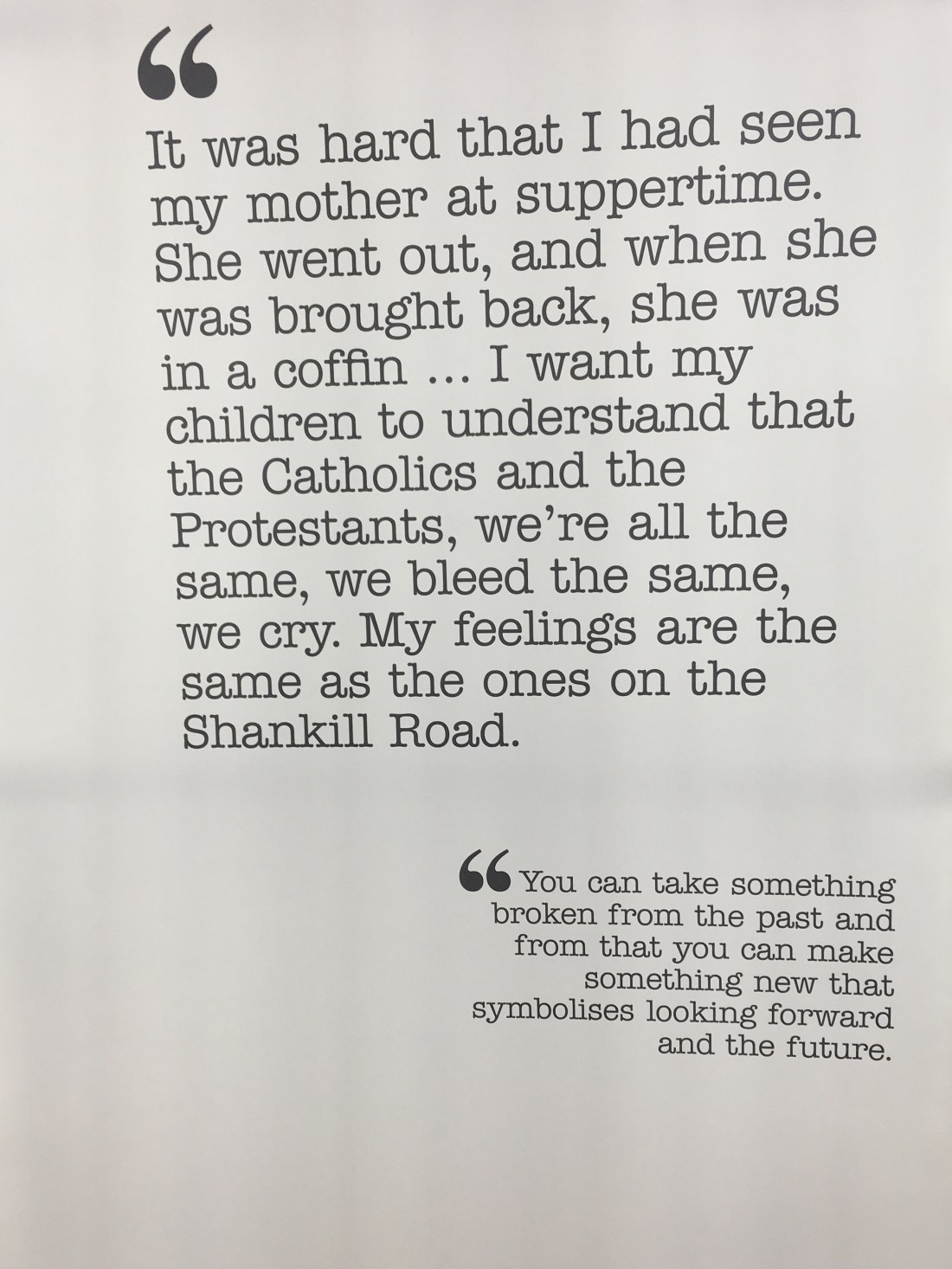
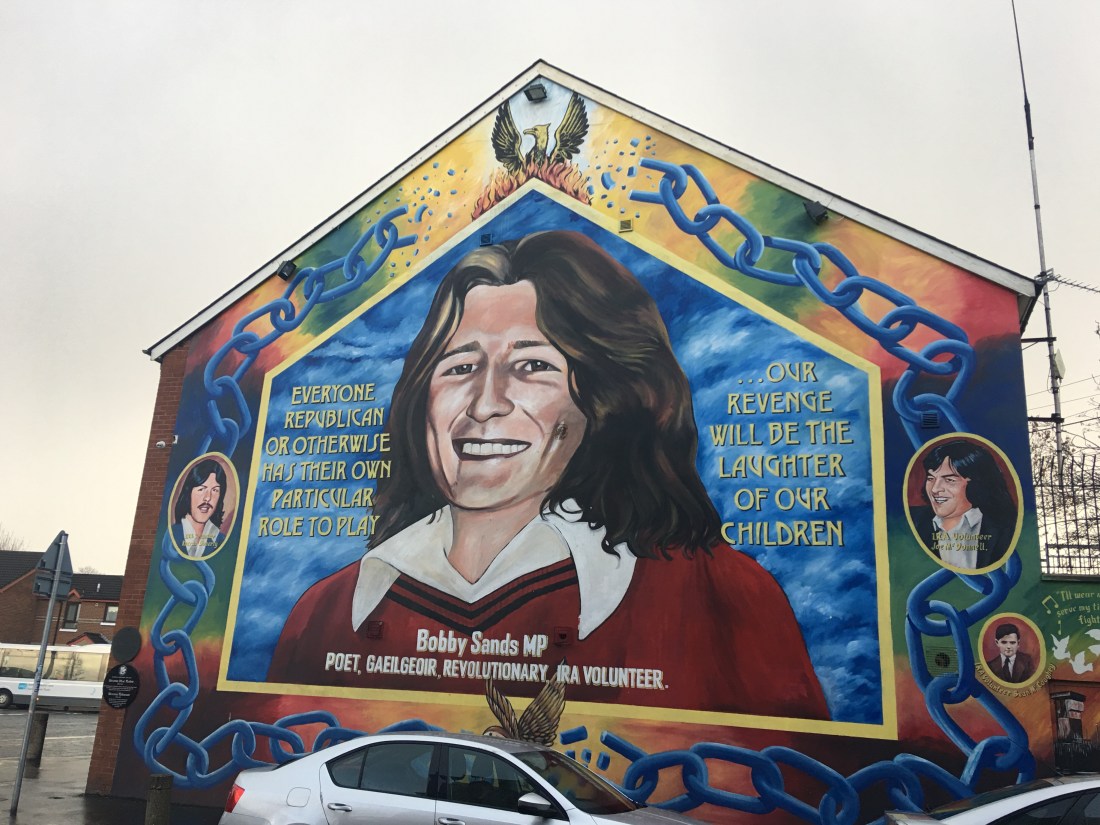
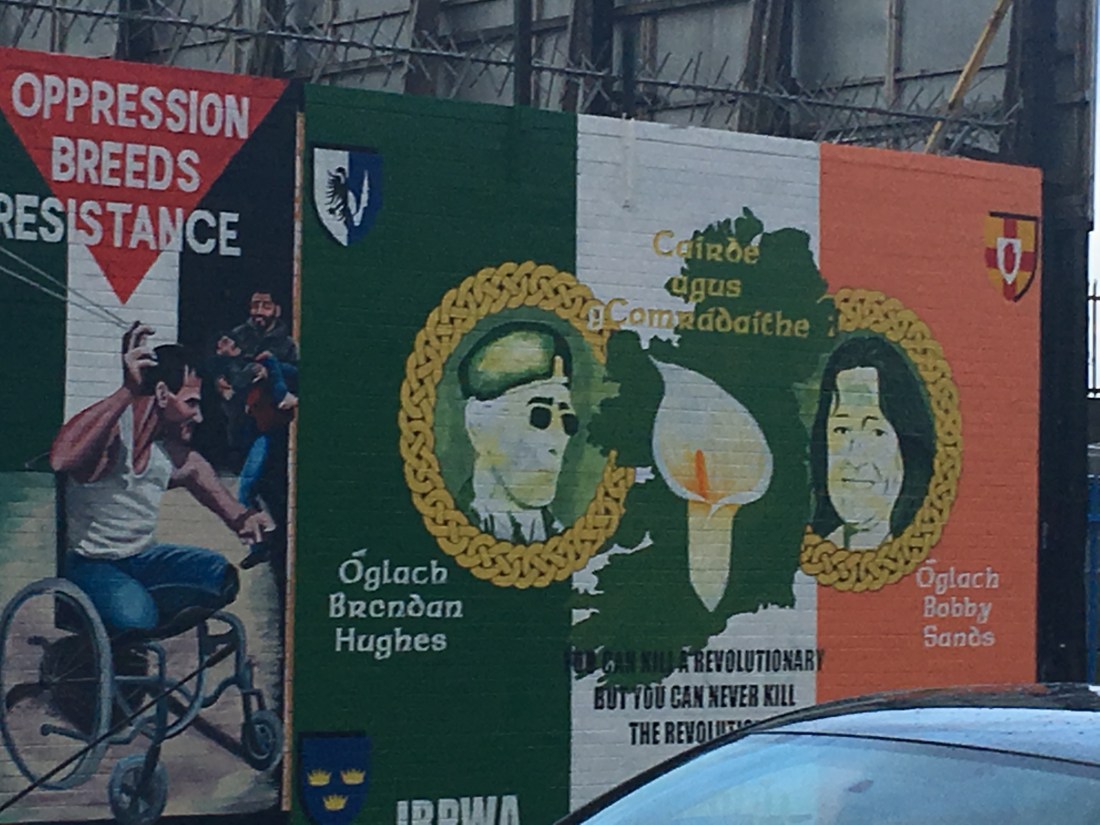
Belfast is a beautiful vibrant city but it has a troubled past. For over 30 years (1968-1998) the city was enthralled in a bloody civil war. Fought between the mainly nationalist catholic community and mainly loyalist protestant community. Out of the chaos came some of Belfast’s most recognizable landmarks, its murals. Tour companies operate mural tours that take you from east to west, north to south taking in both sides of the community and how they depicted their war efforts through amazingly detailed murals. The tour driver lived through the bloodshed and give an insight into the history behind it and their own experiences living through it.

These murals are from the Catholic side.

IMG_6261

IMG_6258IMG_6257IMG_6259

These murals are from the Protestant (British) side.

IMG_6263Our guide (from the Catholic side) showed us the walls that still divides the city.
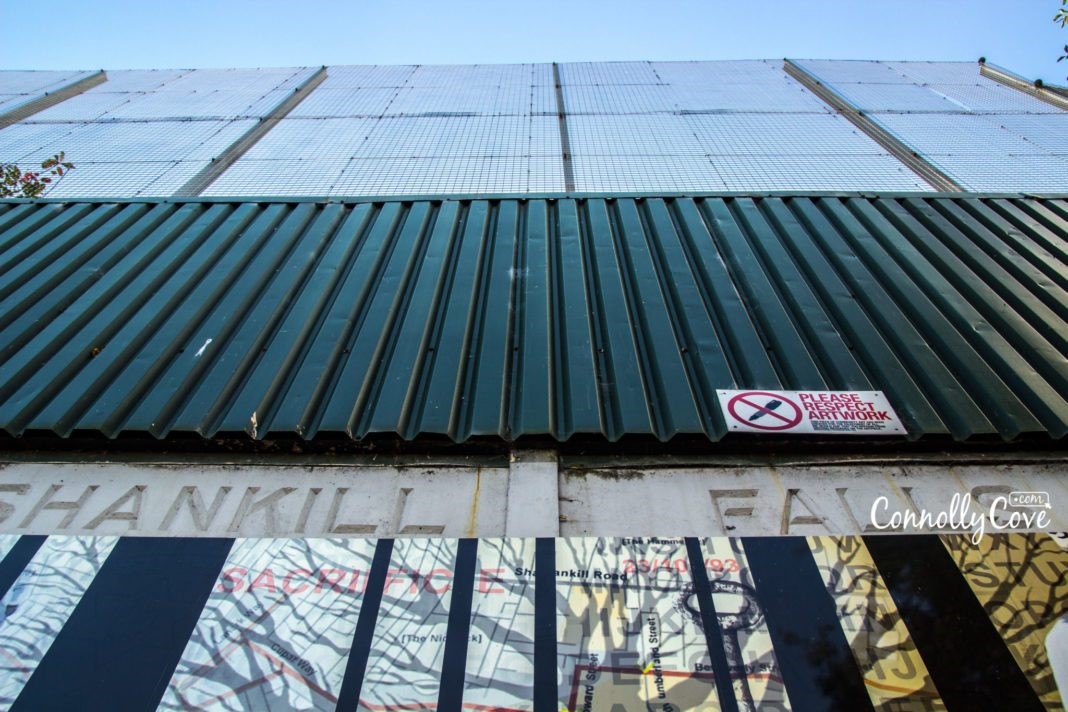
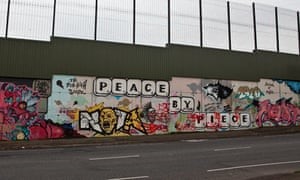
The purpose of the “peace walls” built in the 1970s was to minimize the violent interactions between Catholics (most of whom are nationalists who self-identify as Irish) and Protestants (most of whom are unionists who self-identify as British).  Often, they were not particularly successful: one may not be able to get over or through a wall, but one can still chuck half a brick indiscriminately over the top.

The peace walls (also called dividing walls or Belfast’s Berlin Wall) range in length from a few hundred yards to over three miles. They may be made of iron, brick, and/or steel and are up to 25 feet high. Even to this day, some of the walls actually have gates allowing passage during daylight hours but they remain closed during the night.

Wall 1

Today, a number of these peace walls remain. For the last decade, there have often been conversations about their removal, and in many places this has happened. (The local government pledged in 2013 that they should all be removed by 2023, but a couple of years before that a majority of nearby residents said they thought the barriers were still necessary for public safety.)

For visitors, they are an interesting tourist attraction. For locals, they are perhaps a reminder that, for all the distance they have come, they may still have some way to go.


The Cupar Way ‘peace wall’, which divides the Protestant Shankill Road from the Catholic Falls Road.

Waal 2

The murals and walls remind everyone that peace is not an achievement of the past, but an ongoing struggle for the future.

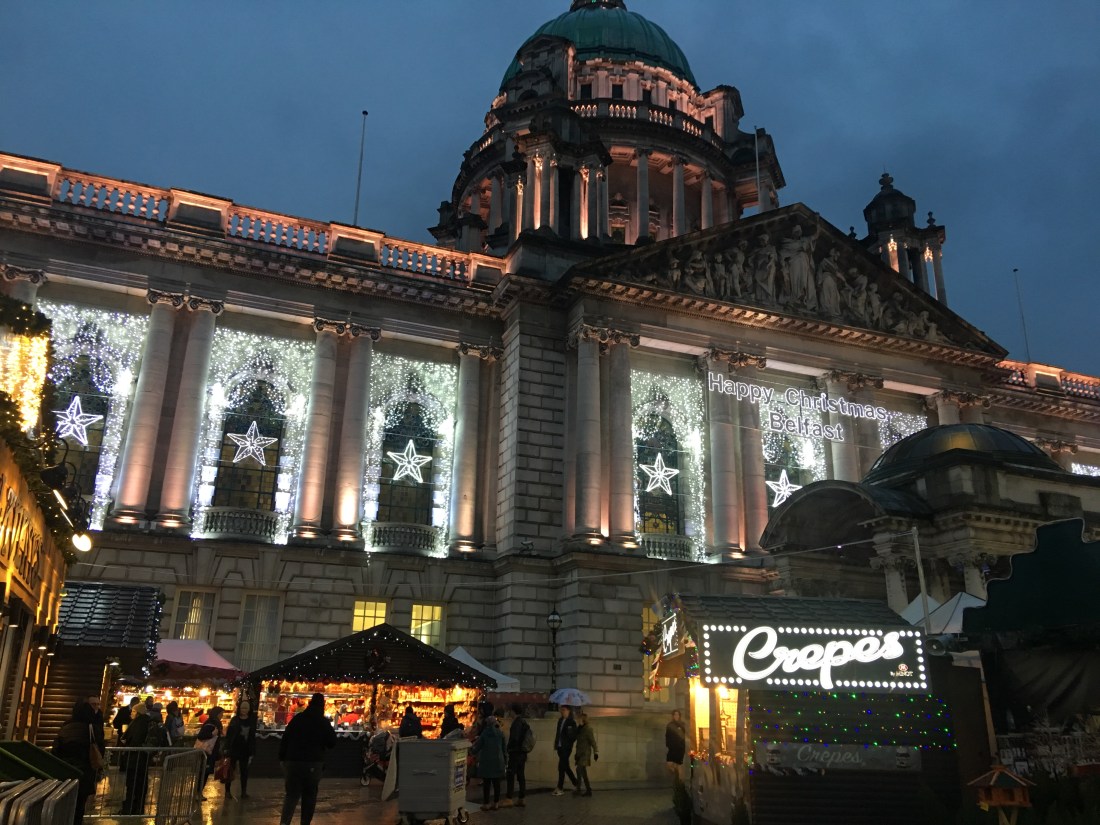
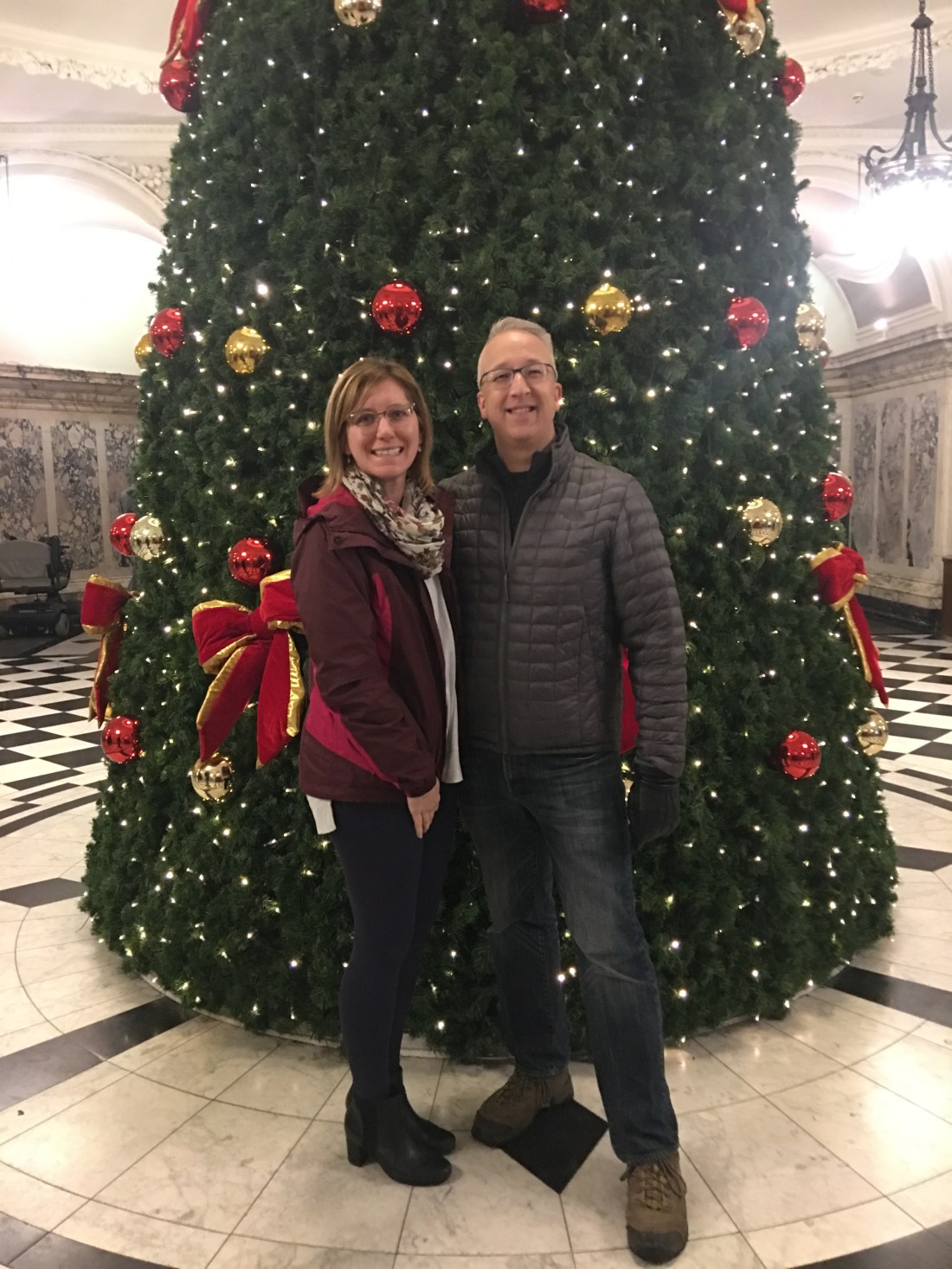
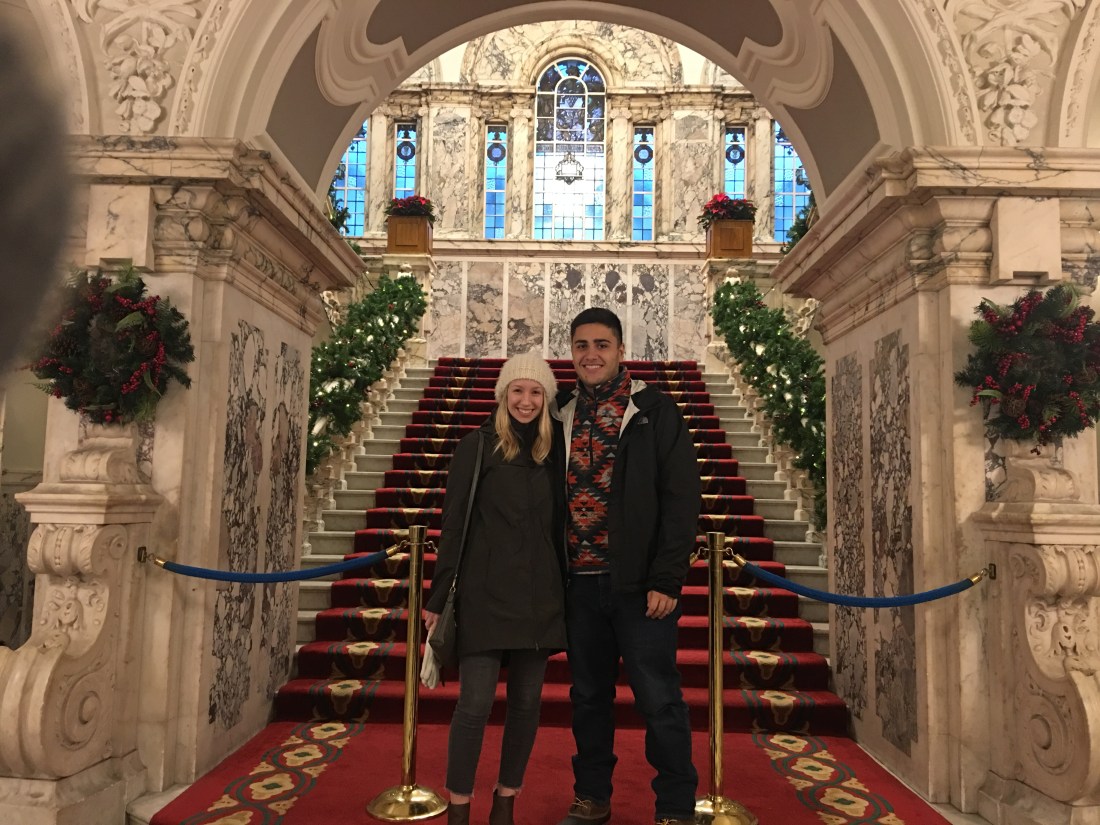
IMG_6268IMG_6269IMG_6267We finished up the day in Belfast visiting the Belfast City Hall and Christmas Market which is on the City Hall grounds.  The atmosphere was overflowing with Christmas cheer!
IMG_6275


IMG_6273

BelfastIMG_6280

That evening, back in Malahide, Rachel and Alex stopped in a Gibney’s, the local pub, because as soon as they left USA and landed in Ireland the legal age to drink dropped from 21 to 18.  The enjoyed the pub which was having a Quizzo contest.