Criteria for weekend trip: Within 2 hours of Dublin and warm!
Destination: Lisbon, Portugal!
As we walk along the cobblestone streets of Lisbon, the beautiful the capital of Portugal, its hard to think that until 1974 a fascist government ruled Portugal with an iron fist and economic repression. A revolution in 1974 called the Carnation Revolution occurred where military officers, back by civilians, overtook the fascist government. The Portuguese are very proud that it was a peaceful take over and no shots were fired. It was called the Carnation Revolution because when the citizens were told to stay indoors for their safety, then instead came out into the streets in joy waving red carnations. 
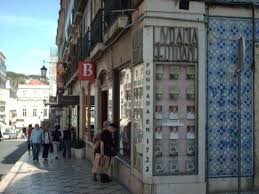
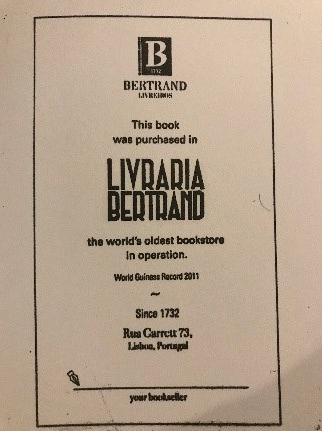
Livraria Bertrand holds the Guinness World Record for the oldest bookstore in the world and has been selling books in the same spot since 1732. We purchased “What Paintings Say”. Inside each book’s cover, they stamp their own special branding which is shown here.
Although St. Anthony is the patron saint of Lisbon elected by the people, another important saint is St. Vincent. St. Vincent’s statue depicts him holding in his hand a ship with two crows (the coat of arms of Lisbon). Legend tells that the remains of St. Vincent, a Spanish martyr who had been overthrown, were exhumed and brought in a ship guarded by two crows and buried in Lisbon in 1176.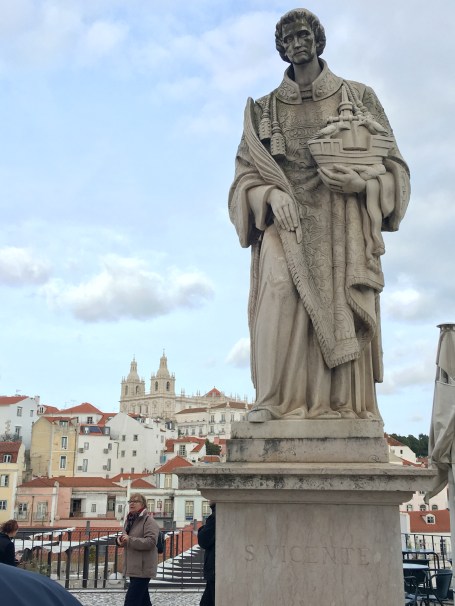
The Elevador de Santa Justa is a 19th century lift that transports passengers up the steep hill from the Baixa district to the Largo do Carmo. The lift dates from an era when wrought-iron was both a construction material and art form, and the structure is adorned with glorious neo-gothic arches and geometric patterns, while inside two sumptuous polished wood carriages whisk passengers up in style.
Historically the Elevador de Santa Justa provided an invaluable service by eliminating the steep slog up Carmo Hill, but today it is primarily a tourist attraction and one of the most unique sights of the city. At the top of the lift is a platform which provides wonderful panoramic views over the historic center of Lisbon. Rather than wait in the long line at the bottom to go up the elevator, our tour guide had us approach the platform from the upper neighborhood.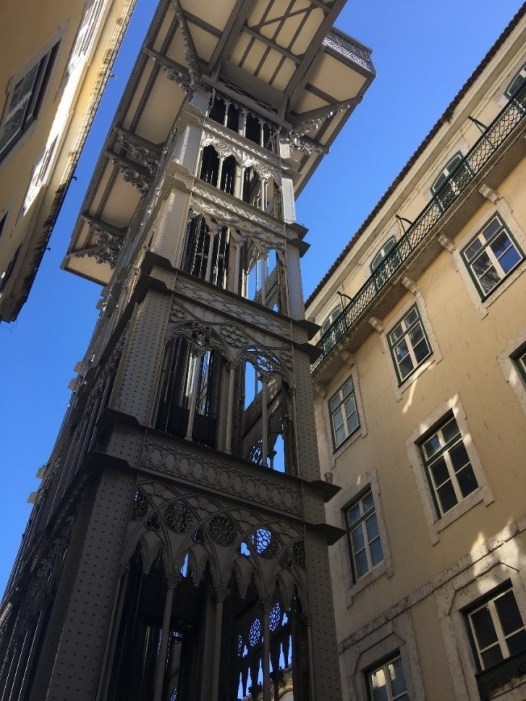
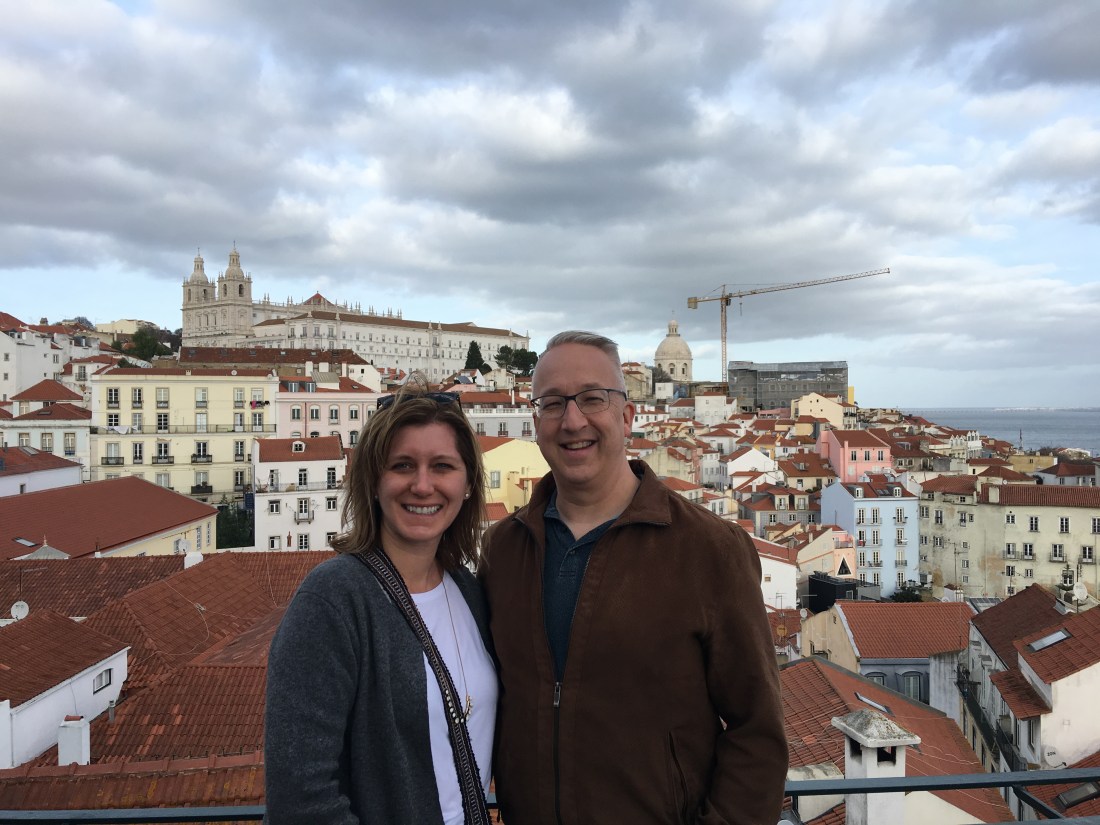
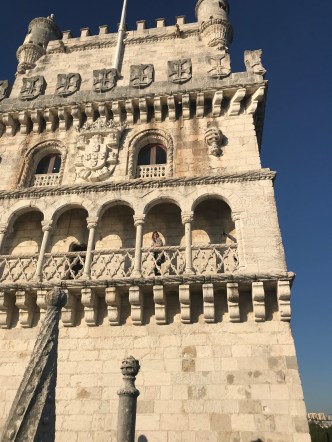
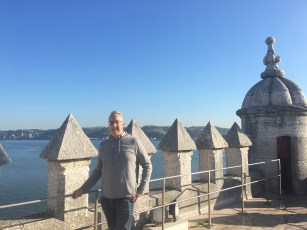
The 1755 Lisbon earthquake occurred in Lisbon November 1st. The earthquake struck late morning as everybody was in Church celebrating All Saints Day. Those who survived fled in the direction of the seaport where the large open squares promised shelter from the debris of the collapsing buildings. It was there that they witnessed a strange phenomenon: The sea had vanished and the riverbed was dry. Shortly thereafter, a 40 foot high tsunami-wave reached the city and destroyed the entire harbor, thousands of people standing along the shores were swept away and killed. After the earthquake and the tsunami, a terrible fire broke out. Candles, which had been lit all around the city for All Saints’ Day, were knocked over in the earthquake causing a fire that raged for five days. These events almost totally destroyed Lisbon killing 90% of its residents
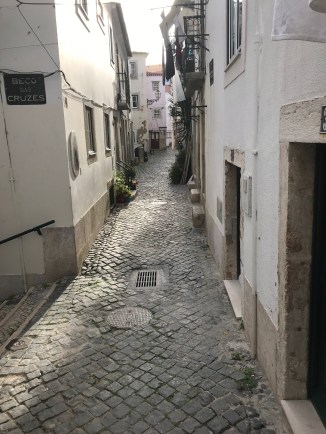
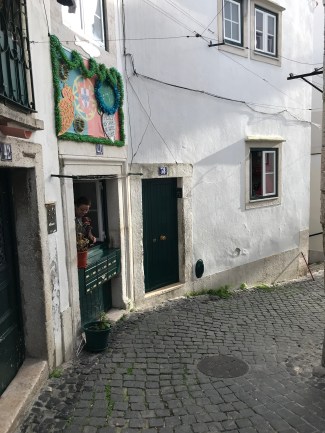
The main section of the city was totally destroyed, but there was one section called Alfama which survived because it was sitting on different geological ground. This section of the city was medieval with small, winding, narrow walkways.
After many years of rent controls, rents are skyrocketing and families are unable to afford Alfama. Today, older people who are still benefiting from many years of rent controls or foreigners who can afford the high rents live in Alfama. A nice apartment in Lisbon rents for about 1,000 euro/month. But the minimum wage is 585 euro.
This woman is selling ginja, a sweet cherry liqueur that originated in Lisbon.
Portugal is the number one producer of cork in the world, with over 50% of global production. Cork is extracted by removing the bark of the oak tree, stripping off the cork underneath. This does not harm the tree. After planting a new tree, you must wait 25 year for the first extraction, and another 18 years to start taking good quality cork. Then every nine years after that. These trees live between 300 to 500 years. So that explains why all the souvenir stores are selling cork products – purses, wallets, shoes, etc.
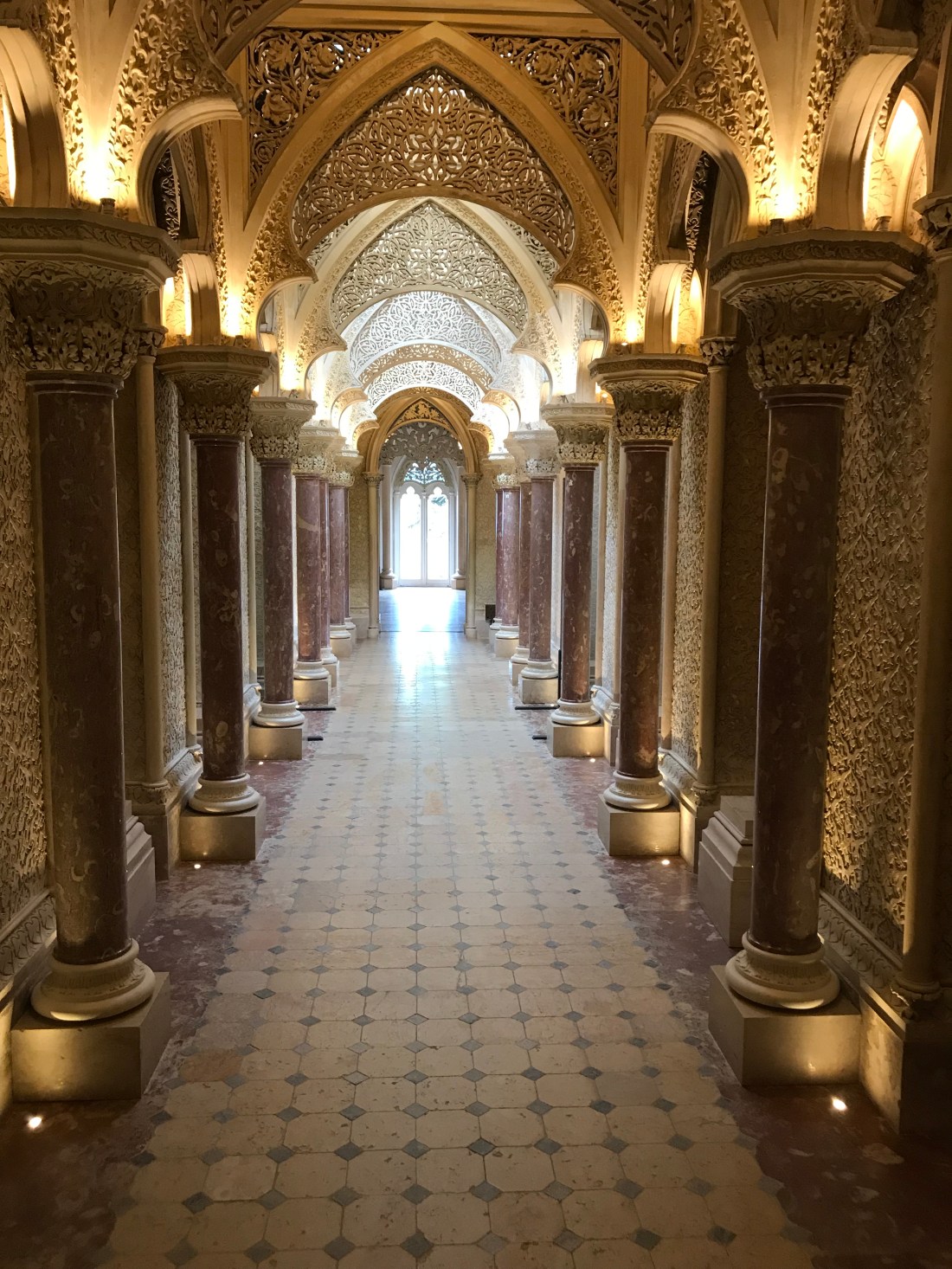
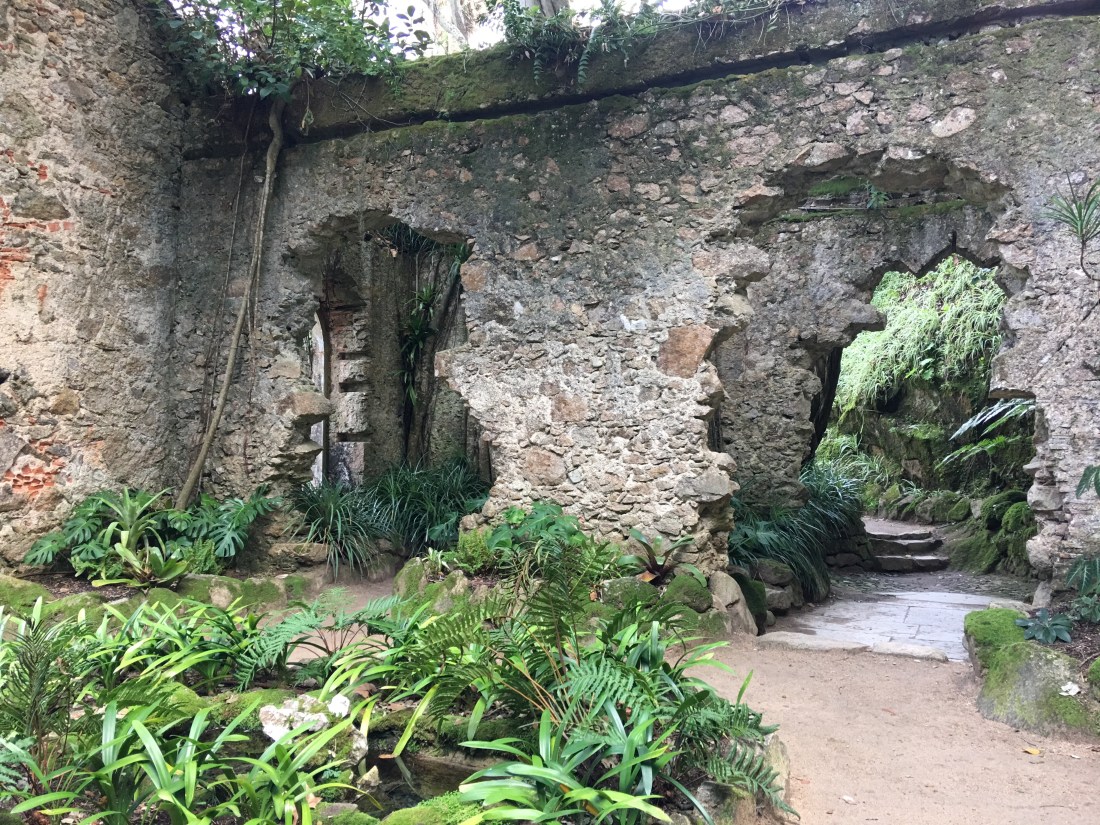
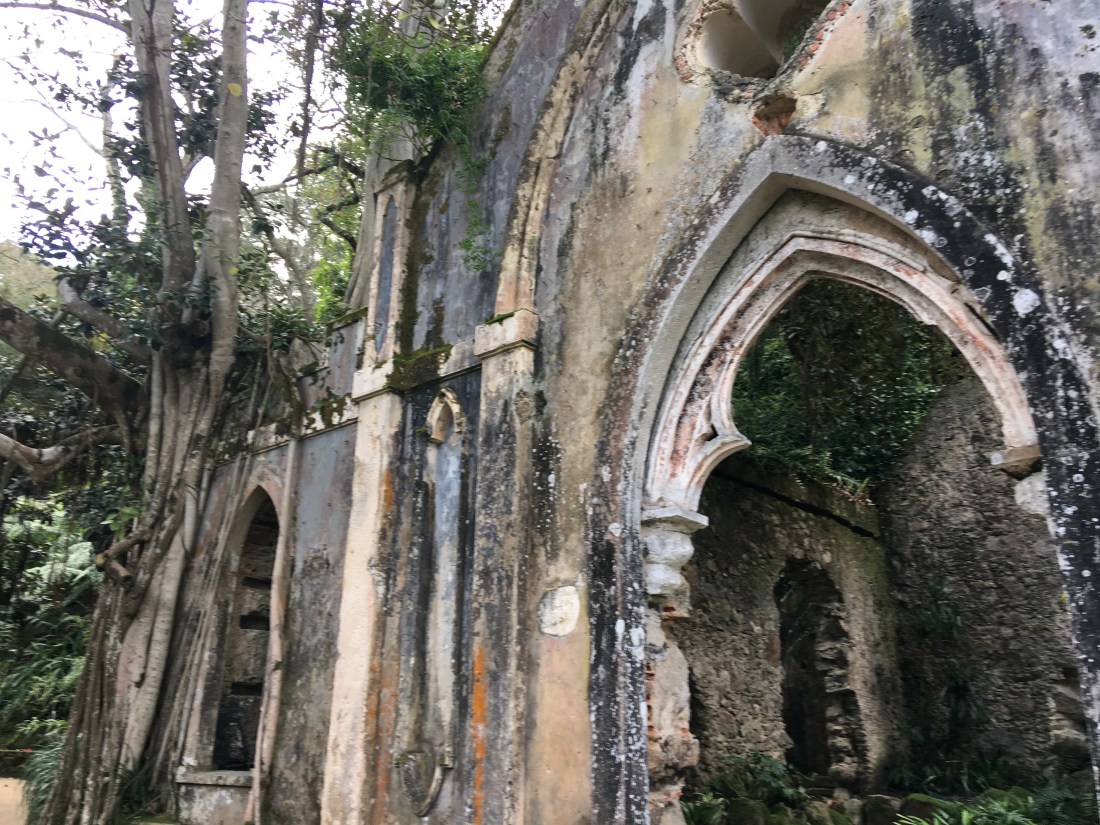
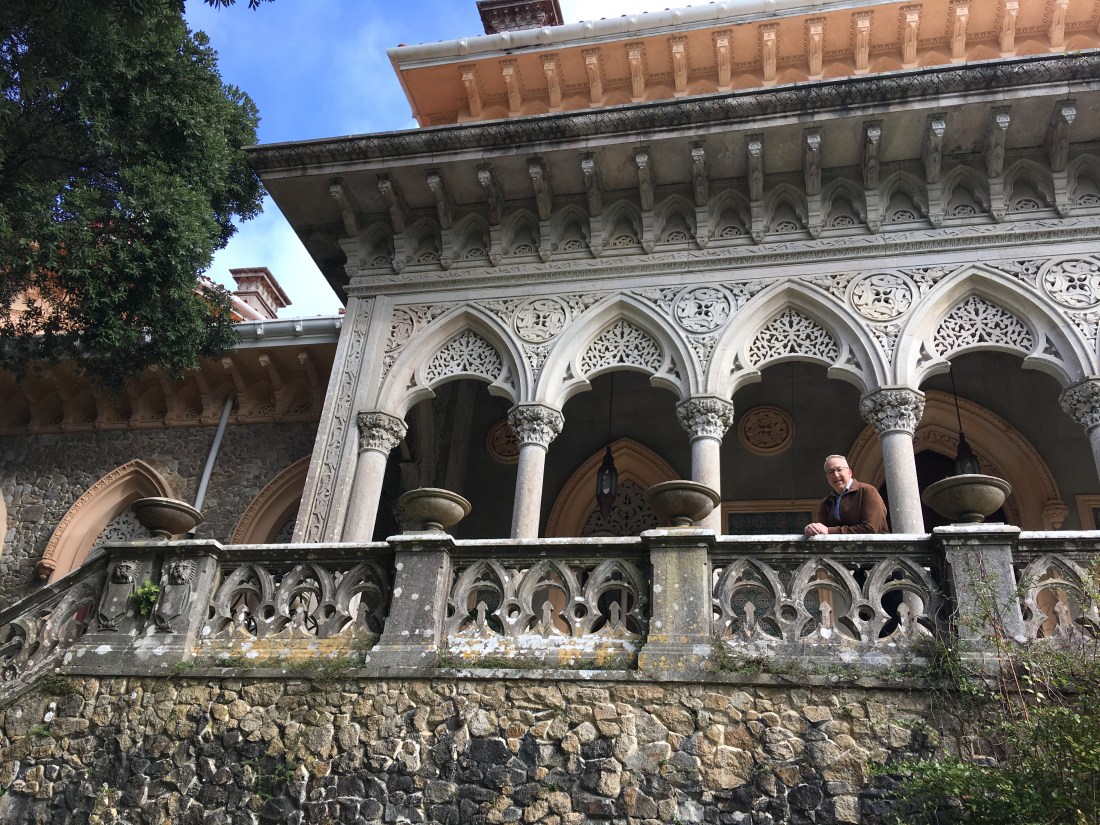
We took a day trip to Sintra which is about 45 minutes from Lisbon. Very beautiful area with palaces, ruins and gardens. Rumor has it that Madonna bought a home here last year.
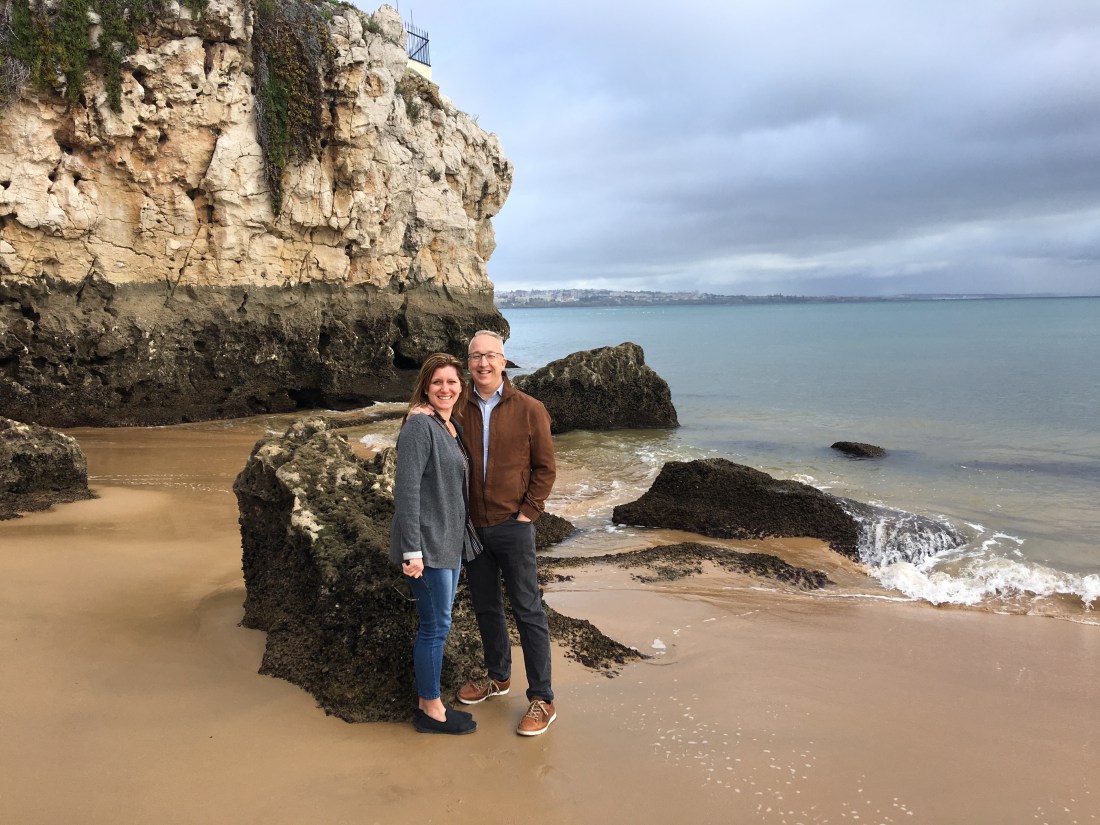
The tour also stopped at the western most point of continental Europe and at a beach area in Cascais.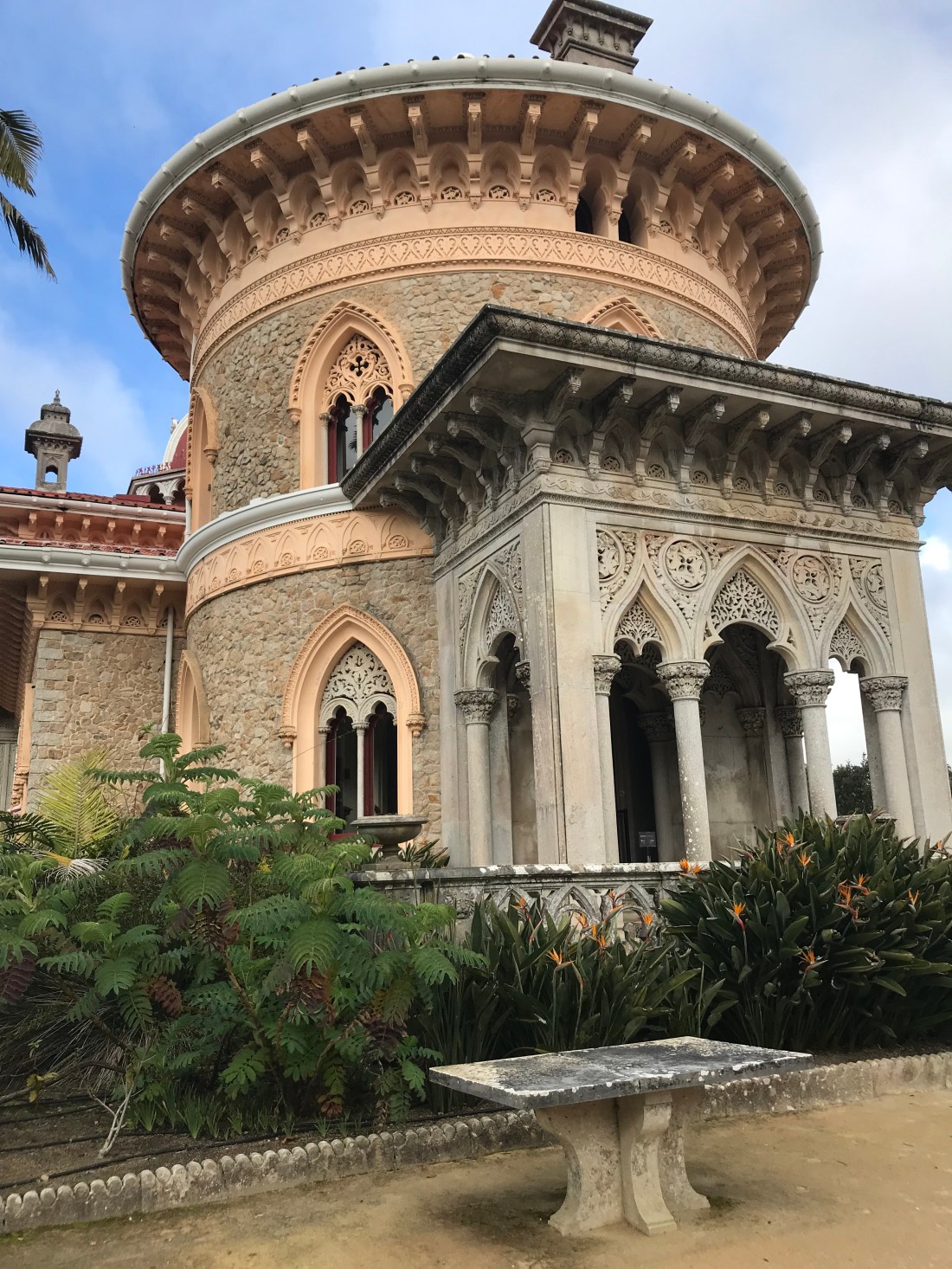
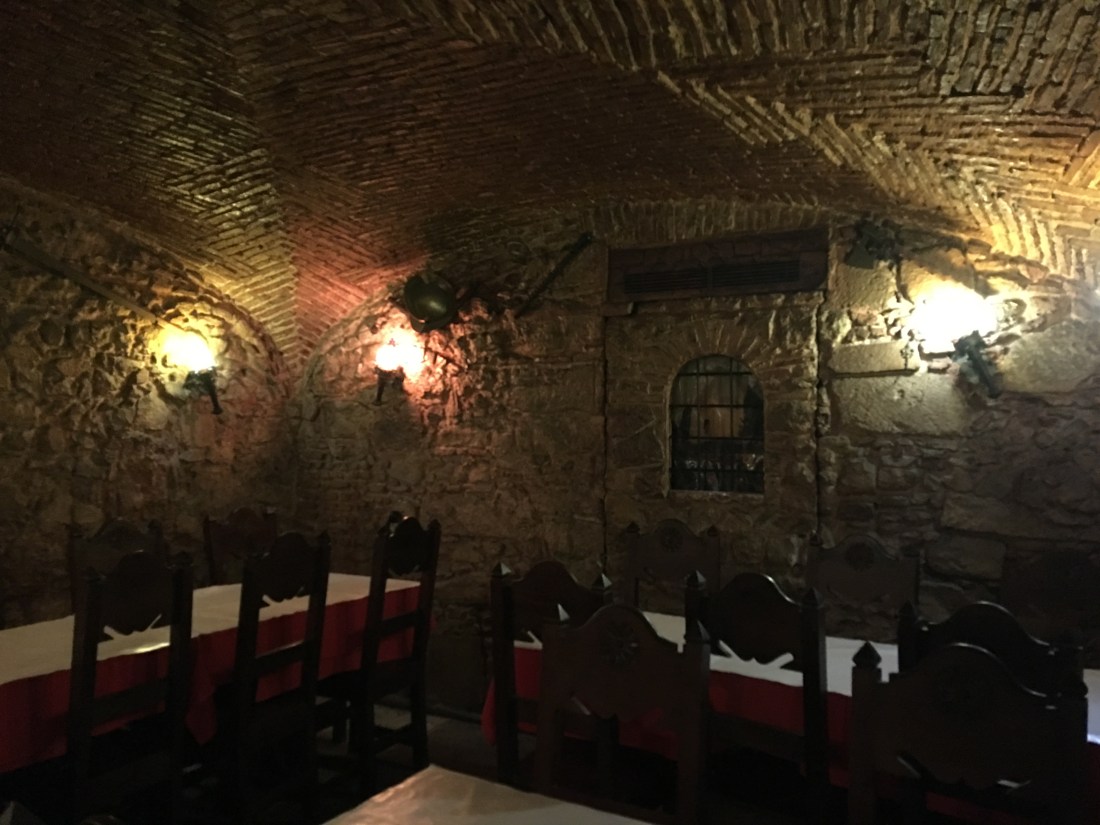
Our tour took us to an off the beaten path to a local bar. This bar is an underground tunnel connecting one section of a church to another. We were sold homemade green wine. Green wine is produced from immature grapes and contains less sugar and less alcohol.
Oh and the desserts – AMAZING!!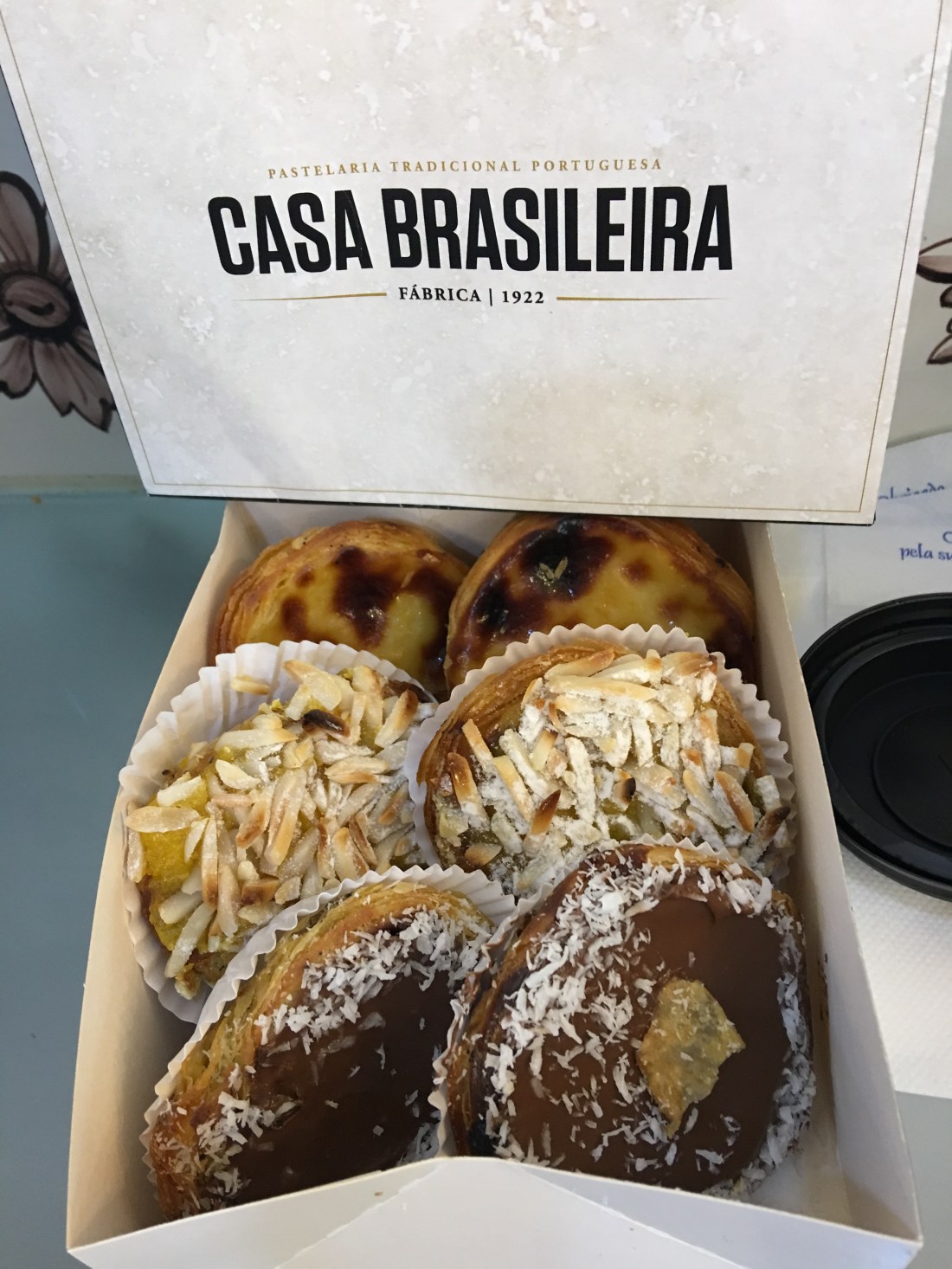

 Adventures in Ireland