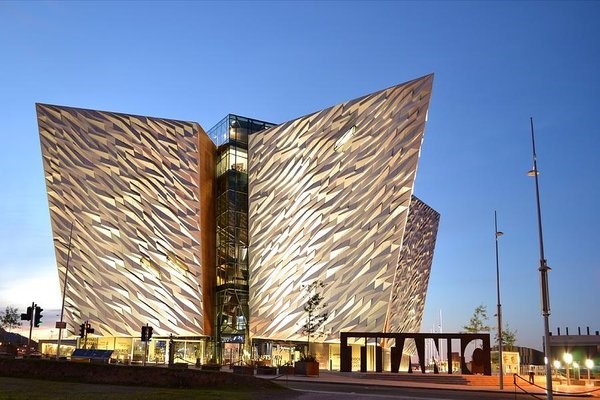
 On Wednesday, the four of us drove two hours north to Belfast which is part of the United Kingdom. The first stop was the Titanic museum located in the dockyards of Belfast.
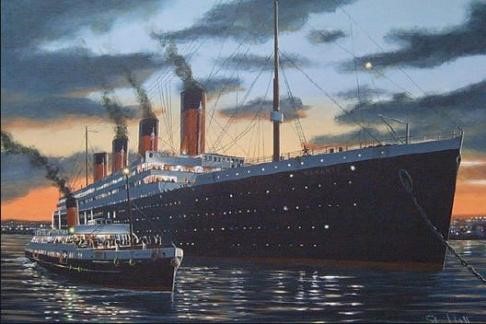
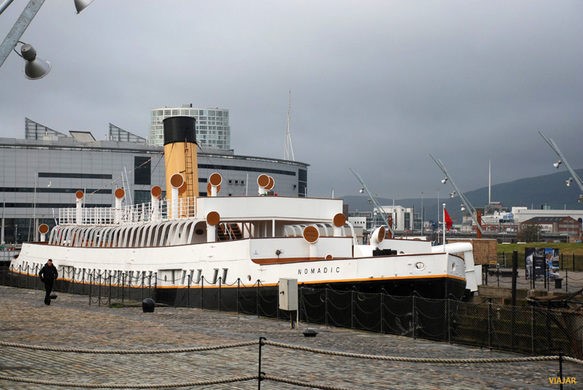
Titanic Belfast opened on May 31, 2012, exactly one hundred years after the RMS Titanic embarked on her fateful maiden voyage. The Titanic Museum is in the area where these impressive liners were constructed by the famous ship building company Harland and Wolff. You see the iconic H&W yellow cranes – an impressive legacy of this once thriving industry.. The museum went into the details of the design of the ship, who built the ships, the passengers, the sinking and the aftermath. The SS Nomadic was a tender ship to larger vessels like the Titanic. It is the biggest surviving Titanic related artifact in the world.
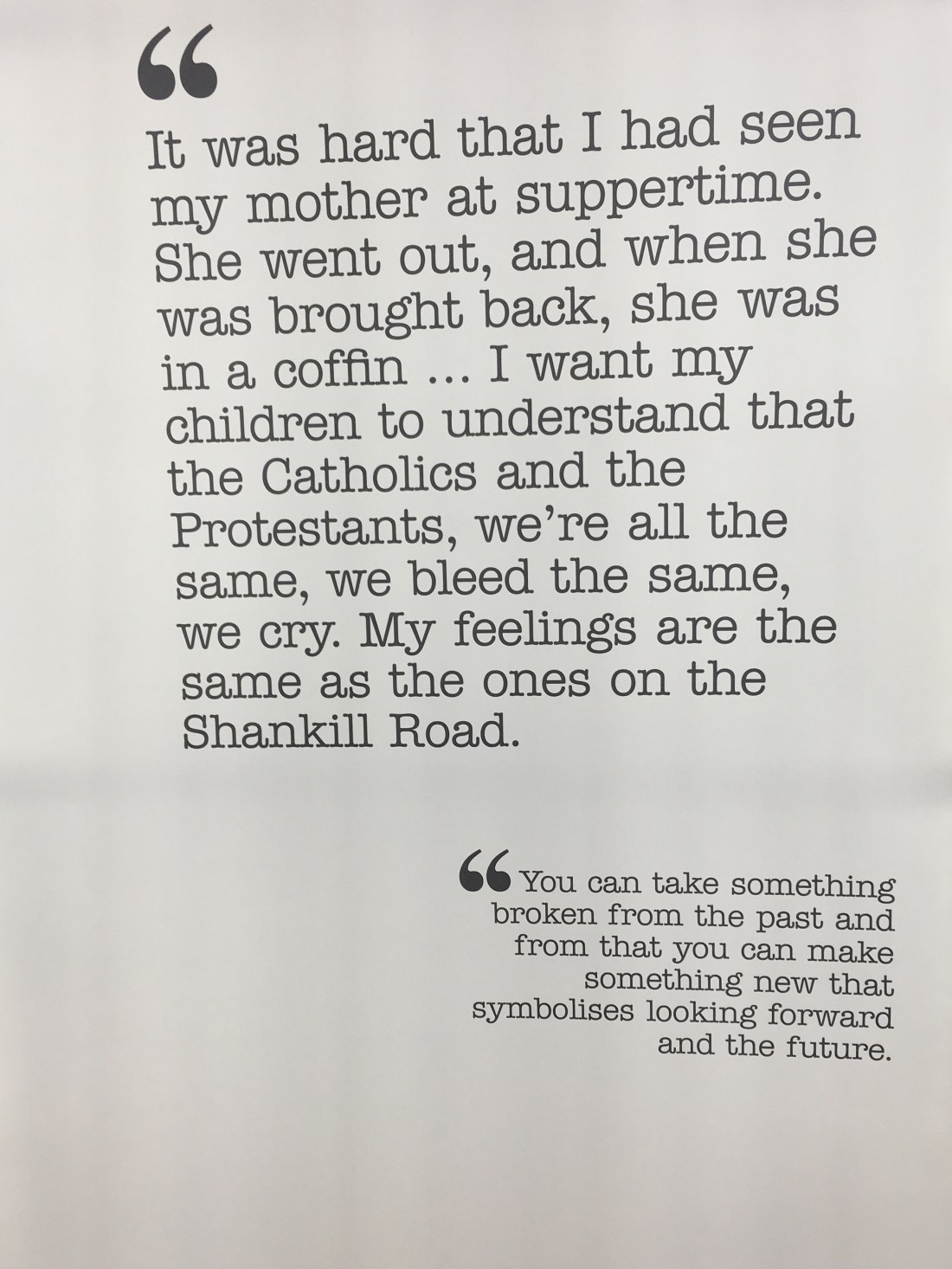
Next we then took a “Black Cab Tour”. This is a 2 hour cab ride given by a local who talks about the “Troubles”. The Troubles is a dark time of Northern Ireland history and actually occurs over many centuries. The two groups are the Protestants which have traditionally been supported by the United Kingdom and the Catholics. The tour focused on more recent history from the 1960’s to present time. We visited both the Catholic side and the Protestant side which is still divided by a very large wall. Even though the violence is mostly gone, there is still is a lot of distrust between the two groups. This was the highlight of our day in Belfast and it was incredibility informative.
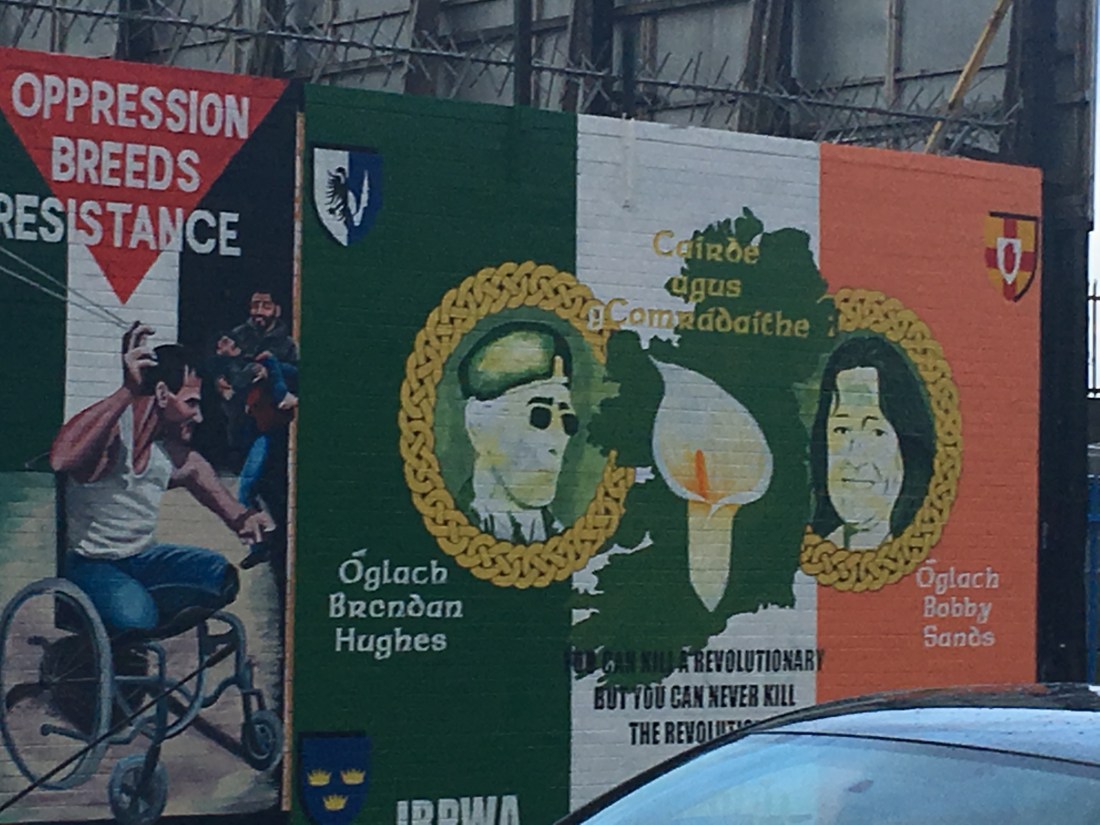
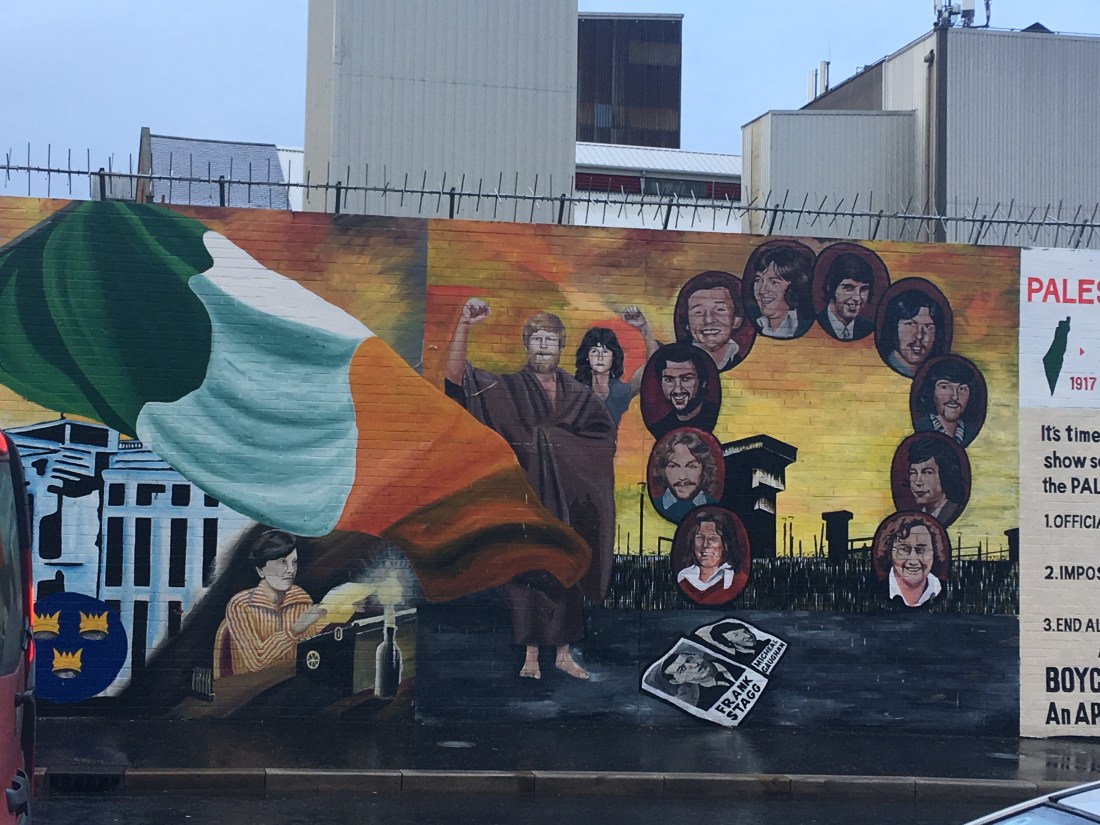
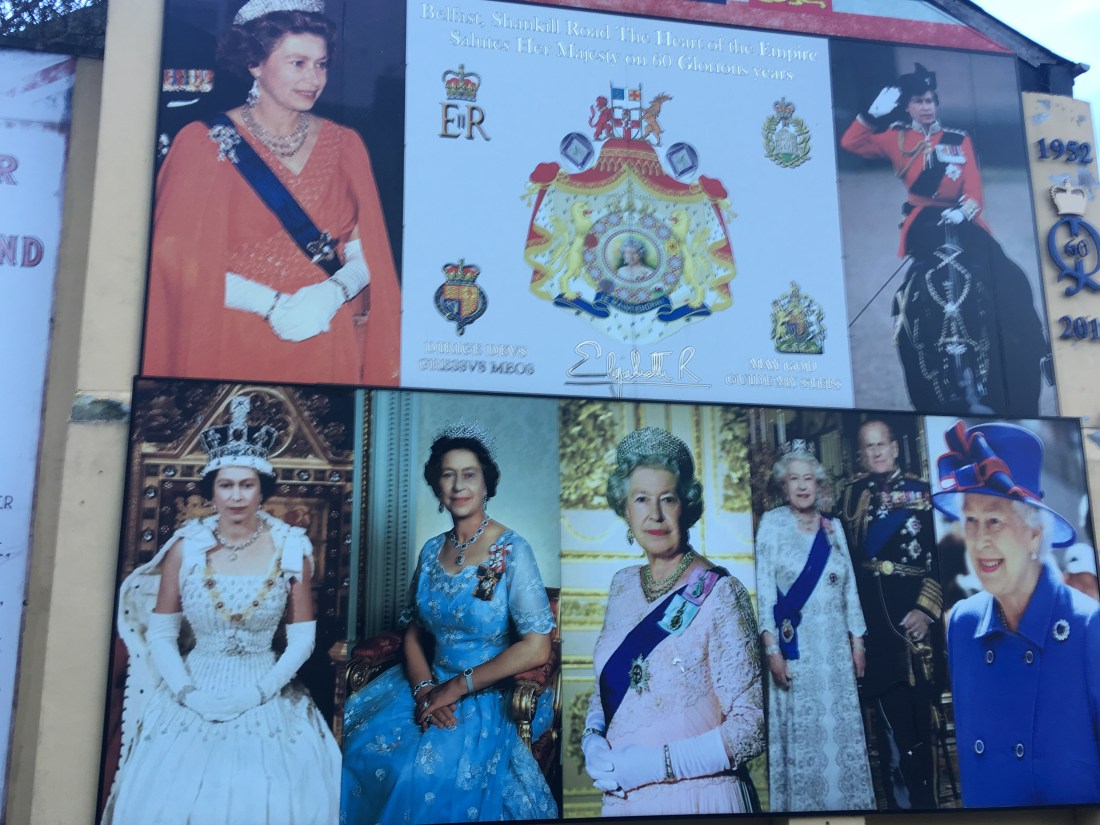
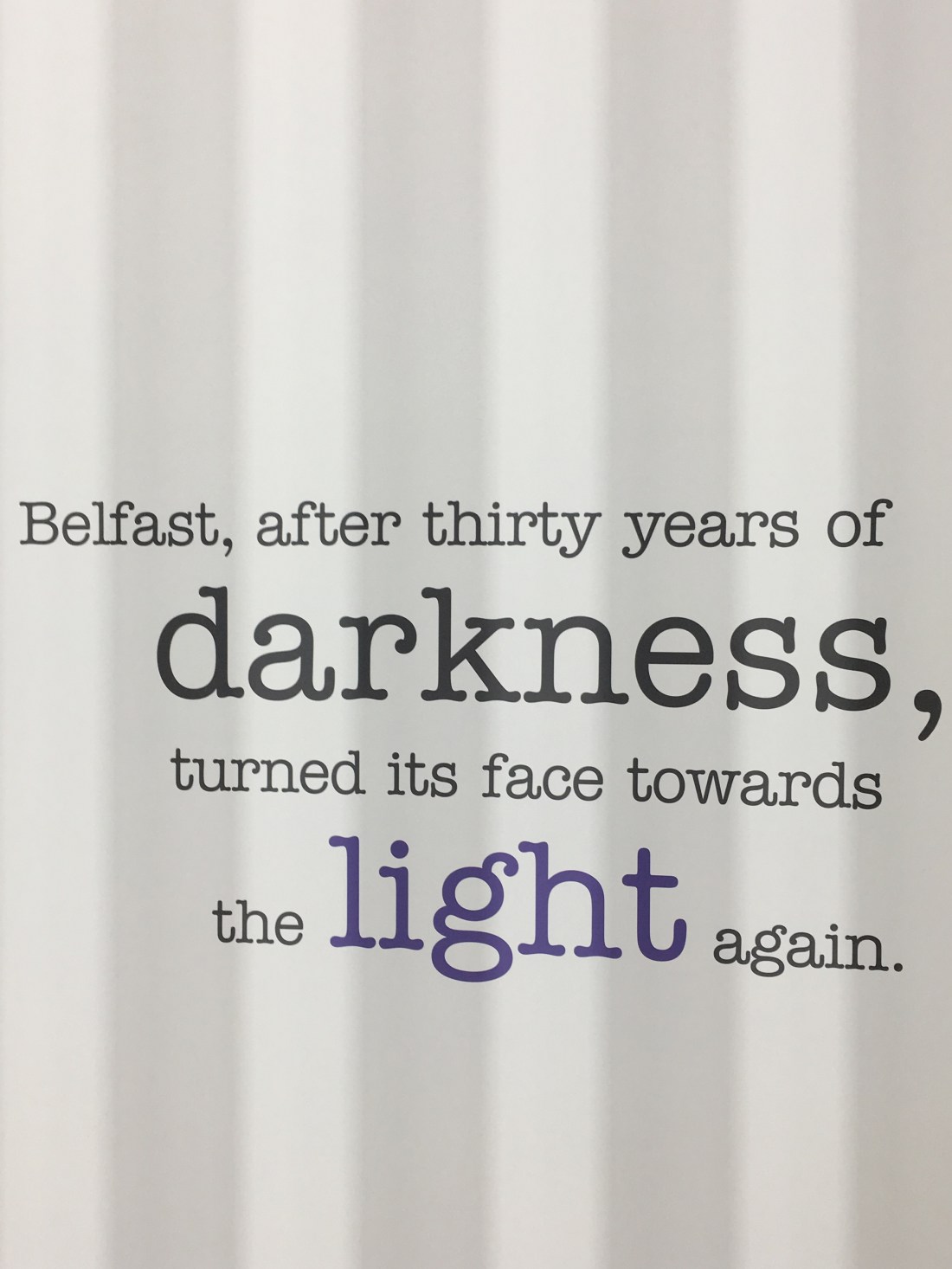
Belfast is a beautiful vibrant city but it has a troubled past. For over 30 years (1968-1998) the city was enthralled in a bloody civil war. Fought between the mainly nationalist catholic community and mainly loyalist protestant community. Out of the chaos came some of Belfast’s most recognizable landmarks, its murals. Tour companies operate mural tours that take you from east to west, north to south taking in both sides of the community and how they depicted their war efforts through amazingly detailed murals. The tour driver lived through the bloodshed and give an insight into the history behind it and their own experiences living through it.
These murals are from the Catholic side.
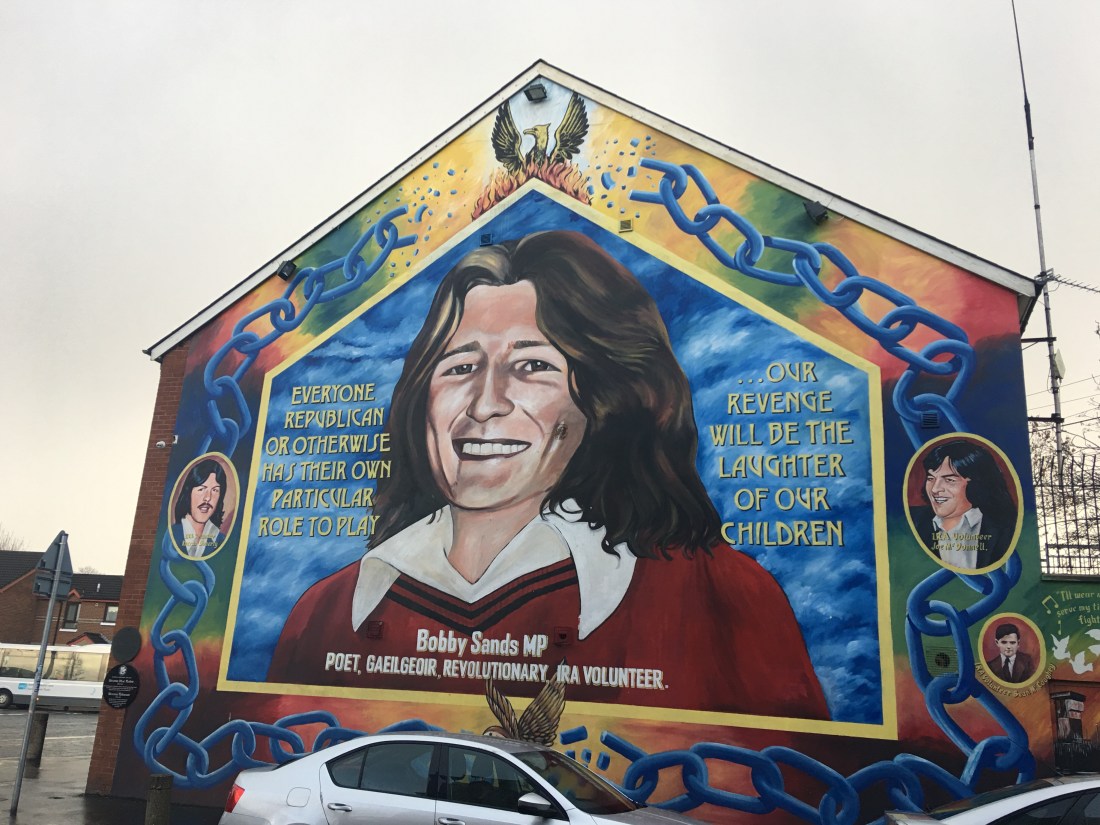
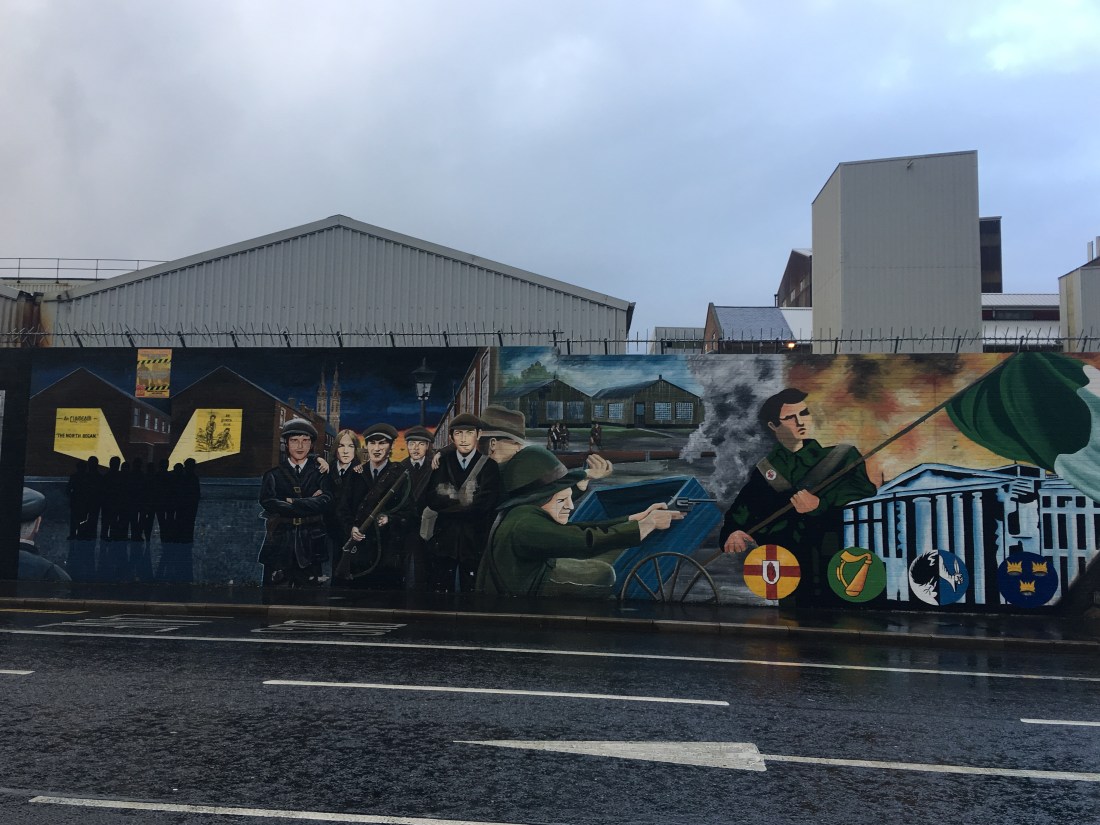
These murals are from the Protestant (British) side.
 Our guide (from the Catholic side) showed us the walls that still divides the city.
The purpose of the “peace walls” built in the 1970s was to minimize the violent interactions between Catholics (most of whom are nationalists who self-identify as Irish) and Protestants (most of whom are unionists who self-identify as British). Often, they were not particularly successful: one may not be able to get over or through a wall, but one can still chuck half a brick indiscriminately over the top.
The peace walls (also called dividing walls or Belfast’s Berlin Wall) range in length from a few hundred yards to over three miles. They may be made of iron, brick, and/or steel and are up to 25 feet high. Even to this day, some of the walls actually have gates allowing passage during daylight hours but they remain closed during the night.
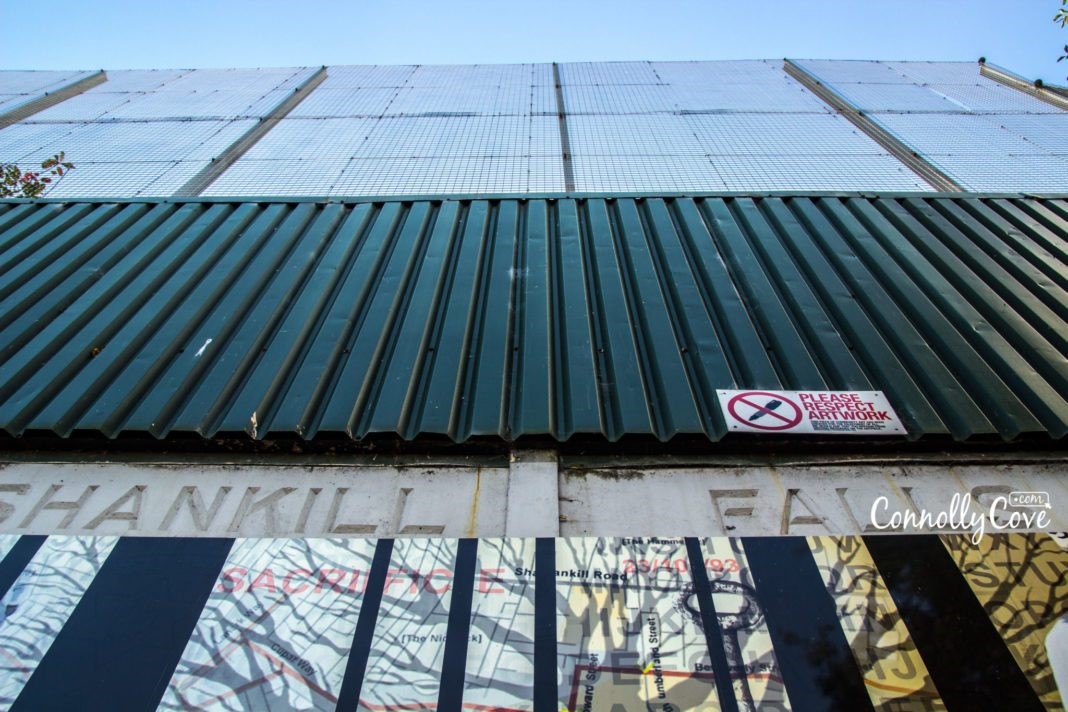
Today, a number of these peace walls remain. For the last decade, there have often been conversations about their removal, and in many places this has happened. (The local government pledged in 2013 that they should all be removed by 2023, but a couple of years before that a majority of nearby residents said they thought the barriers were still necessary for public safety.)
For visitors, they are an interesting tourist attraction. For locals, they are perhaps a reminder that, for all the distance they have come, they may still have some way to go.
The Cupar Way ‘peace wall’, which divides the Protestant Shankill Road from the Catholic Falls Road.
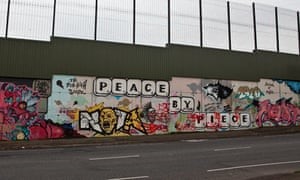
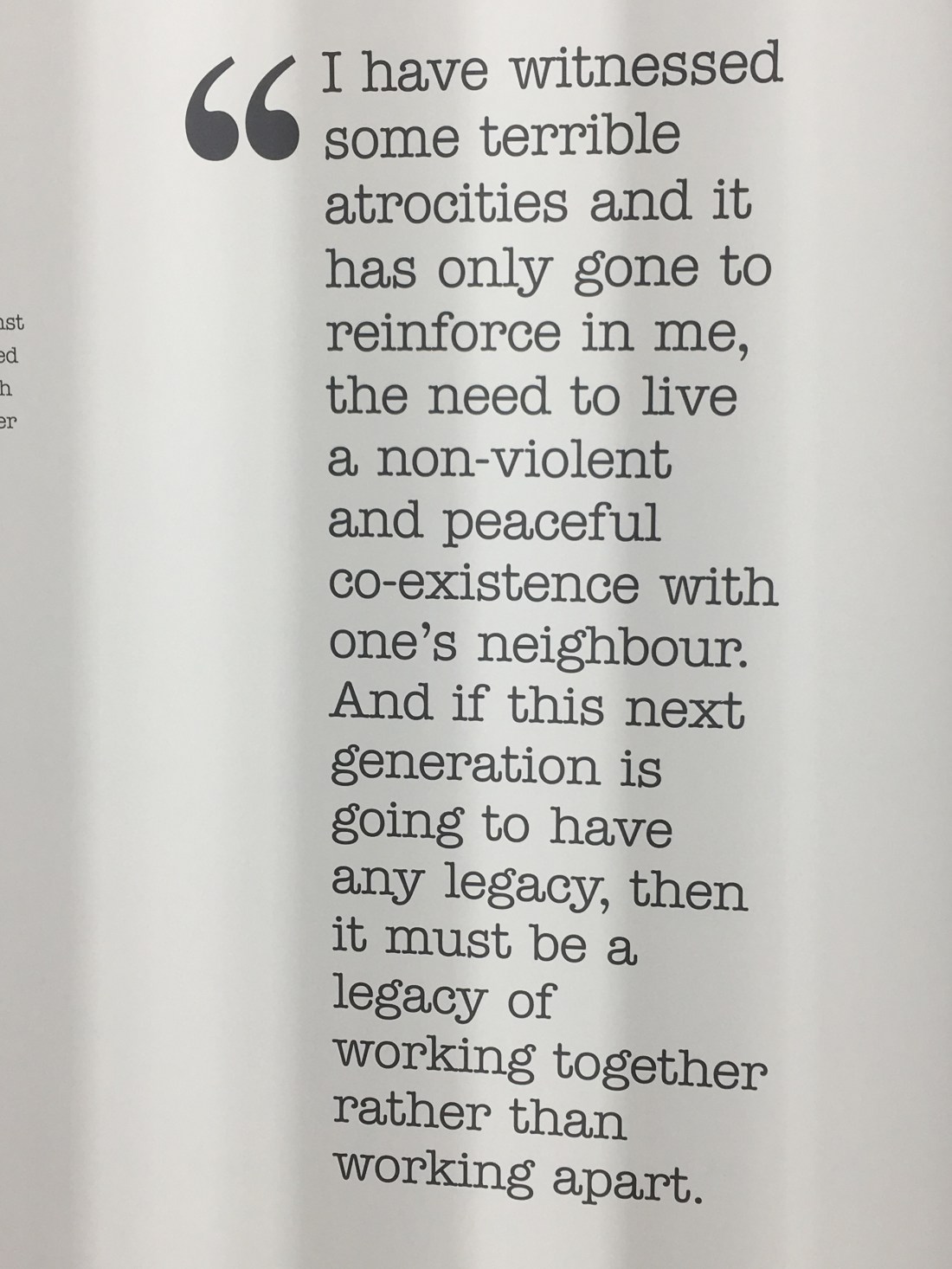
The murals and walls remind everyone that peace is not an achievement of the past, but an ongoing struggle for the future.
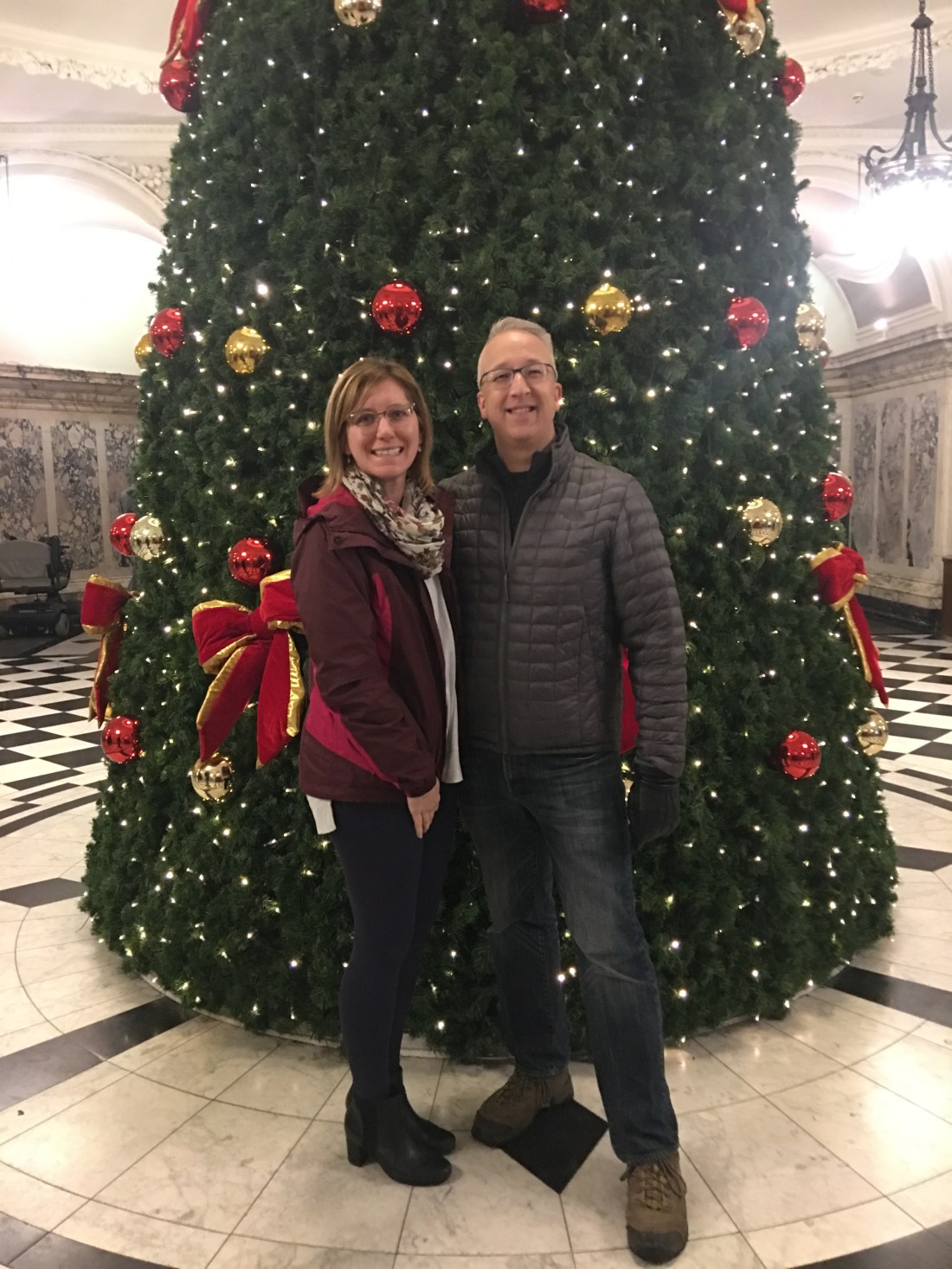
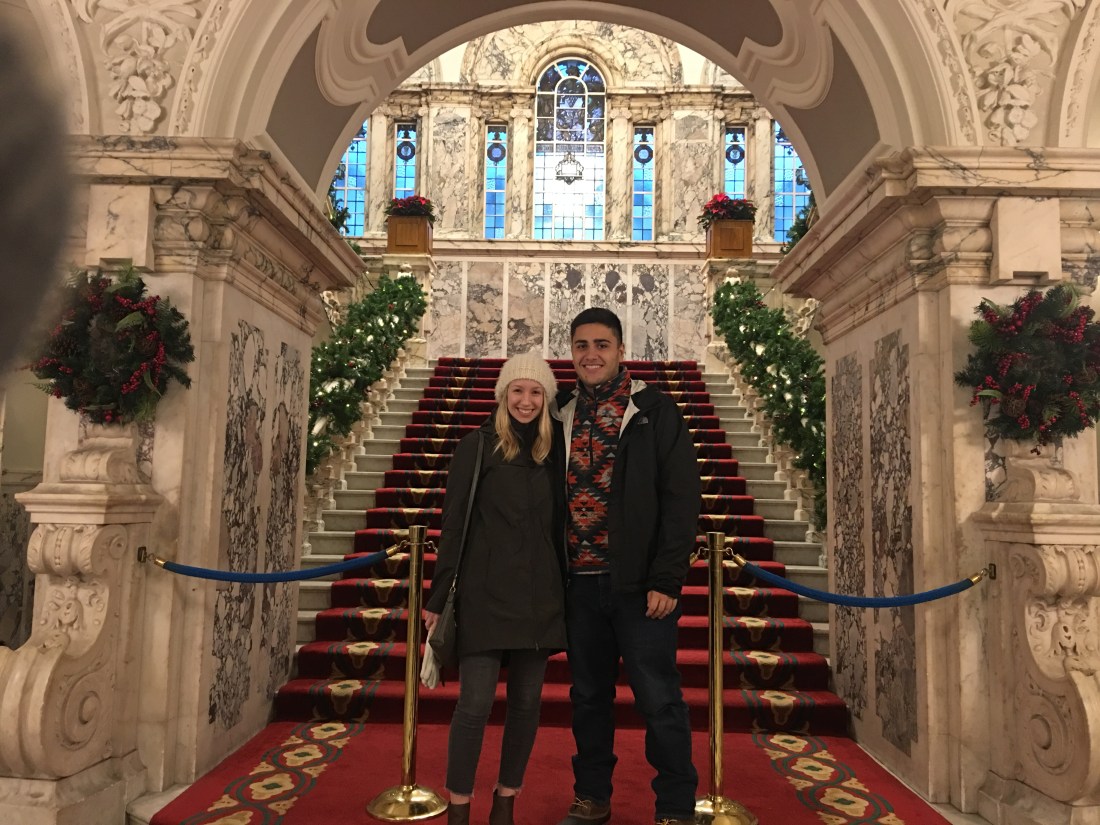
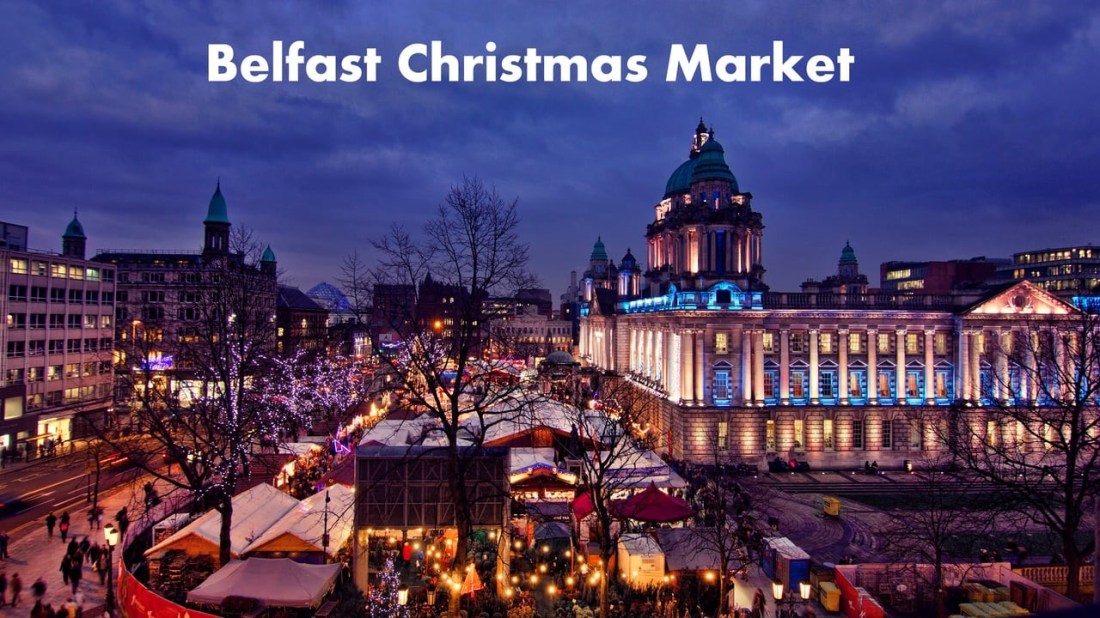
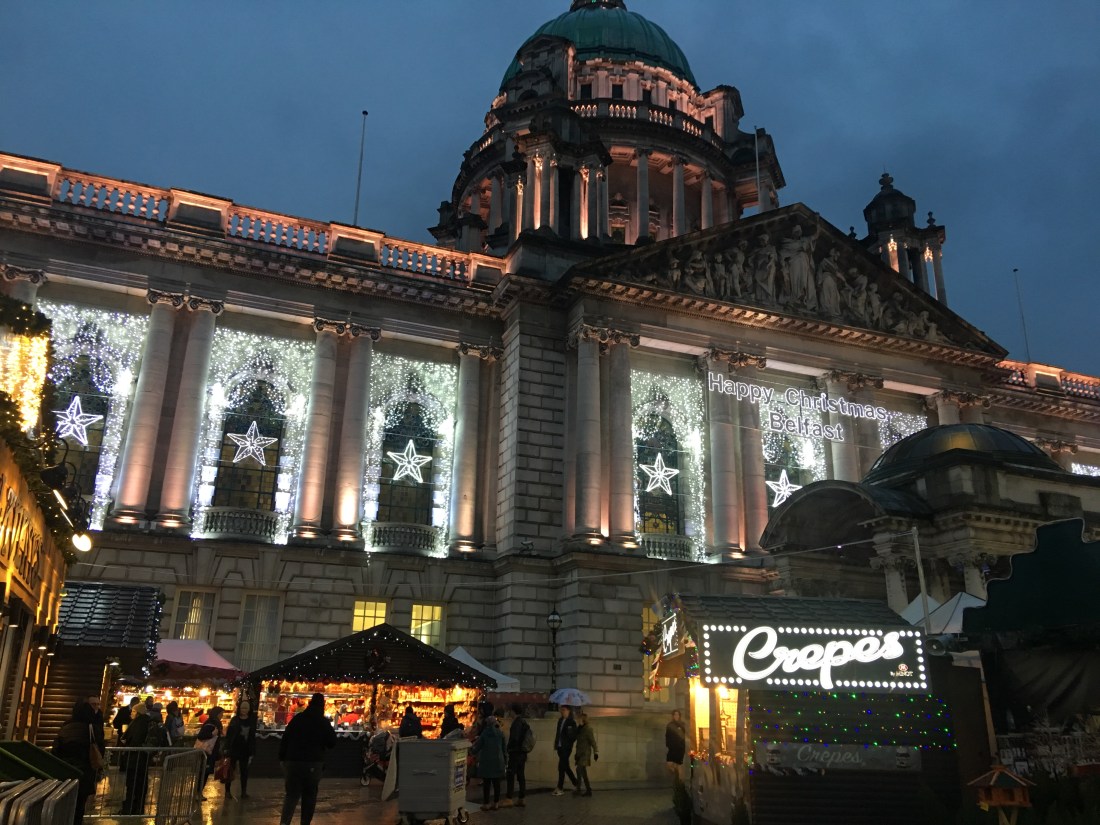
 We finished up the day in Belfast visiting the Belfast City Hall and Christmas Market which is on the City Hall grounds. The atmosphere was overflowing with Christmas cheer!
That evening, back in Malahide, Rachel and Alex stopped in a Gibney’s, the local pub, because as soon as they left USA and landed in Ireland the legal age to drink dropped from 21 to 18. The enjoyed the pub which was having a Quizzo contest.

 Adventures in Ireland